
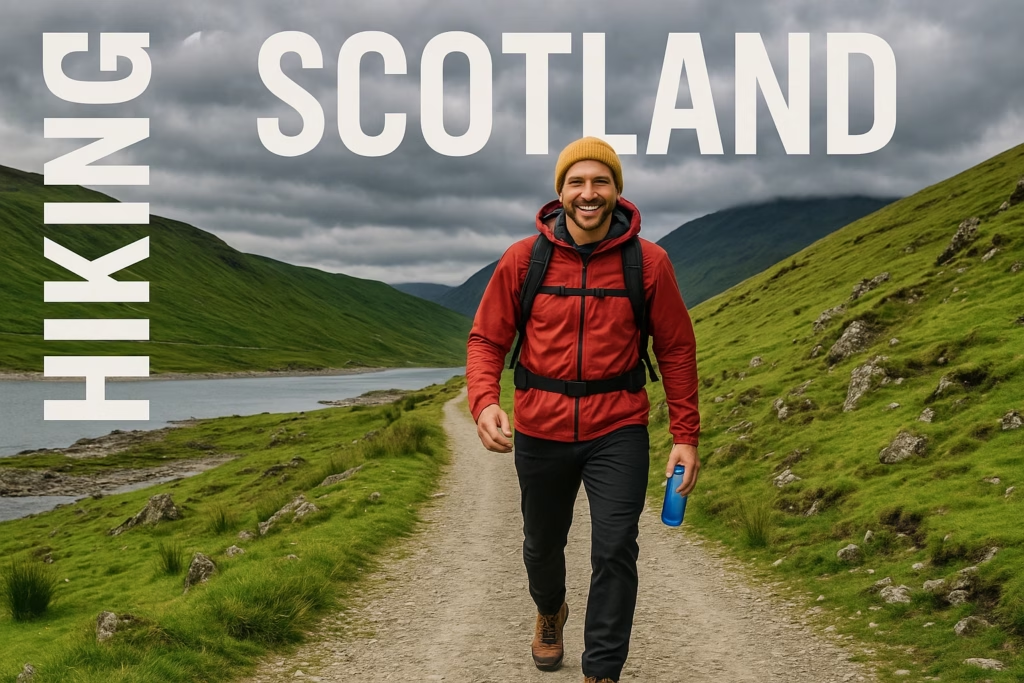
Scotland is a hiker’s paradise, offering some of the most dramatic landscapes in the world. Towering highlands, misty moors, glistening lochs, and rugged coastlines make every trail feel like a step into history. But hiking Scotland isn’t without challenges. The weather can shift in minutes, the terrain can be unforgiving, and reliable gear is essential. At Hiking Equipped, this guide will walk you through the best trails, practical planning tips, and the gear you’ll want at your side to make your Scottish adventure safe and unforgettable.
 Read more: Weather Awareness – Reading the Sky and Forecasts, Hiking Tent Seasonal & Weather Considerations, Baseplate Compass Guide.
Top Hiking Routes in Scotland
West Highland Way – Scotland’s most famous long-distance trail stretches 96 miles from Milngavie to Fort William. Along the way, you’ll pass serene lochs, sweeping moorland, and ancient glens. With well-marked paths and towns along the route, it’s a perfect choice for those tackling their first long-distance trek in Scotland.
Ben Nevis – Standing at 4,413 feet, Ben Nevis is the highest mountain in the UK. The main trail is accessible for determined hikers, but the summit often sees snow even in summer, so preparation is key. The reward? A sweeping view of the Highlands that few places can rival.
Isle of Skye Trails – From the jagged Cuillin Ridge to the surreal Quiraing rock formations, Skye offers some of the most dramatic landscapes in Scotland. Weather here is unpredictable, but the scenery makes every step worthwhile.
Cairngorms National Park – Known for vast plateaus and wildlife, the Cairngorms are perfect for multi-day hikes or day trips. Hikers may encounter reindeer, golden eagles, and endless views across rolling hills.
Cape Wrath Trail – For experienced adventurers, the Cape Wrath Trail delivers 200+ miles of rugged, remote trekking. There are no official waymarks, which makes strong navigation skills a must. The reward is solitude and raw, untamed landscapes.
Weather Awareness in Scotland
If there’s one constant in hiking Scotland, it’s the weather — and that constant is change. A sunny morning can shift into rain and fog within the hour. Strong winds sweep the highlands, and even in summer, temperatures can plummet at higher elevations.
Tips for managing Scottish weather:
- Always pack rain gear, even if the forecast looks clear.
- Dress in layers so you can adapt quickly.
- Keep an eye on the sky; cloud build-up can signal approaching storms.
- Expect muddy paths and be prepared with waterproof boots or gaiters.
Read more: How to Dress for Changing Trail Conditions
Essential Gear for Hiking Scotland
Hiking in Scotland demands reliable gear that can handle wind, rain, and varied terrain.
- Tents – Look for sturdy three-season tents with good wind resistance. In exposed areas, a four-season tent is even better.
- Stoves – Scotland’s damp climate can make fuel choice important. Liquid fuel stoves work well in wind, but lightweight canister stoves are fine for shorter trips. See our Backpacking Stove Guide for comparisons.
- Navigation Tools – A baseplate compass and paper map are vital, especially in foggy moors where GPS may be unreliable.
- Clothing – Waterproof shells, insulating midlayers, and moisture-wicking base layers will keep you comfortable. Don’t forget insect repellent for midges in summer.
- Footwear – Waterproof hiking boots with solid ankle support are highly recommended.
Read more: Backpacking Stove Guide
Safety & Trail Skills for the Highlands
Scotland’s trails are breathtaking, but they also require respect and preparation.
- Navigation – Many routes, especially in the Highlands, lack clear markers. Fog and low visibility can appear suddenly, making a compass essential.
- Hydration – Streams are common but always purify your water before drinking. Lightweight filters or purification tablets are a must.
- Emergency Preparedness – Remote areas may have no mobile service. Carrying a Garmin inReach or similar satellite communicator can be lifesaving.
- Bothies – Unique to Scotland, bothies are free stone shelters scattered across remote areas. They’re basic but invaluable in bad weather.
Read more: Trail Safety, GPS vs Compass.
Planning Your Scottish Hiking Trip
Careful planning makes the difference between a challenging hike and a miserable one.
- When to Go – The best season for hiking Scotland is May through September. Trails are more accessible, daylight is long, and temperatures are milder.
- Camping vs. Bothies – Scotland allows wild camping but respect the Scottish Outdoor Access Code. Bothies offer shelter but don’t expect amenities.
- Transport – Trains and buses connect many trailheads, making it possible to explore without a car.
- Food & Water – Long trails have limited resupply options. Pack lightweight meals and snacks that hold up in wet conditions. Always treat water before drinking.
- Local Culture – Many trails pass near small villages or historic sites. Taking time to explore adds depth to the hiking experience.
Read more: Trail Nutrition & Hydration Tips
Practical Travel Logistics for Hiking in Scotland
Read more: ATMs & Currency Exchange – Widely available in towns; exchange rates better at banks than airports.
Read more: Credit Cards & Business Hours – Cards accepted in most places; note shorter rural shop hours.
Read more: Local Laws & Customs – Duty-free limits apply; alcohol purchase age is 18+.
Read more: Driving & Transportation – Left-side driving; buses/trains connect most routes. Rental cars useful remotely.
Read more: Emergencies & Health Access – Pharmacies available in towns; emergency number is 999.
Read more: Electricity & Internet Access – UK plug type G, 230V/50Hz; Wi-Fi common; SIM cards easy to purchase.
Read more: Language & Communication – English widely spoken; Gaelic in the Highlands.
Read more: Maps & Navigation – Ordnance Survey maps are the gold standard.
Read more: Police, Safety & Security – Police are approachable; violent crime rare but always stay alert.
Read more: Post Office & Telephone – Local post offices provide services and sometimes small supplies.
Read more: Time Zones & Weather Updates – GMT (BST in summer); BBC Weather and MWIS are reliable forecasts.
Conclusion
Hiking Scotland is more than just walking trails — it’s an immersion into landscapes that have inspired myths, poetry, and adventure for centuries. From the sweeping West Highland Way to the rugged Cape Wrath Trail, each route offers both challenge and reward. With the right preparation, gear, and awareness of the land, your journey will be safe, memorable, and unforgettable.
So, whether you’re climbing Ben Nevis, wandering the Isle of Skye, or camping beneath Highland stars, Scotland’s trails are waiting to test and inspire you.
“As an Amazon Associate, I earn from qualifying purchases.”