
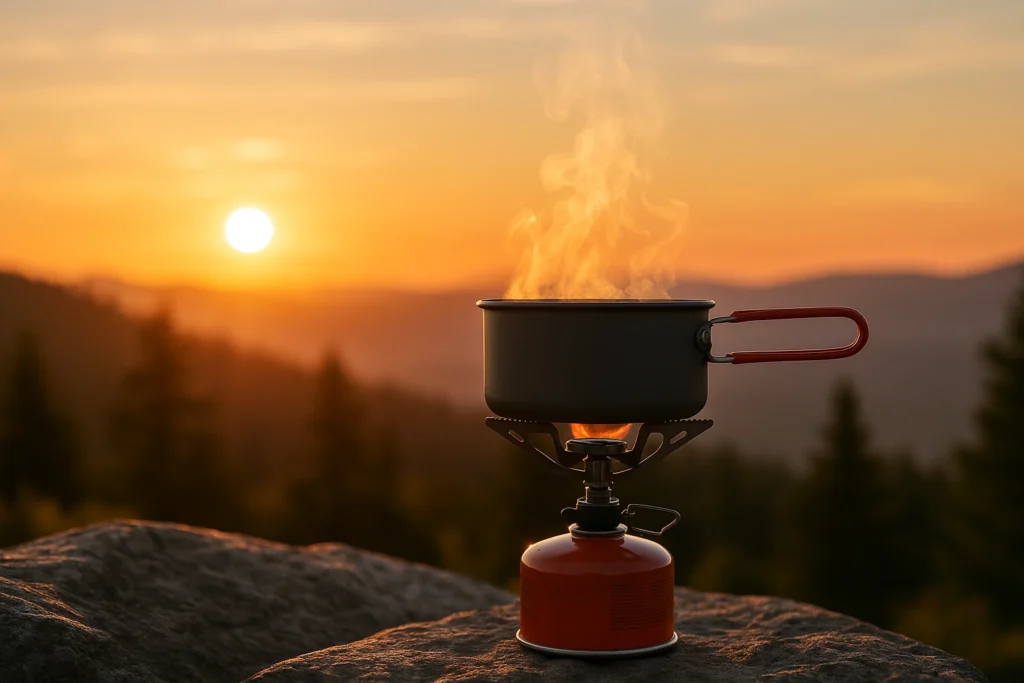
Choosing the best backpacking stove means balancing weight, fuel efficiency, boil speed, and reliability—all while matching your cooking style and climate. Today’s market ranges from ultralight canister stoves that simmer gourmet meals to bulletproof liquid-fuel burners. These are built for high-altitude snow melts. You’ll also see minimalist alcohol stoves for thru-hikers, compact wood-burning options that sip twigs instead of fuel bottles, and all-in-one integrated cooking systems that slash boil times.
This guide breaks down every factor you need to consider: fuel availability on popular trails, stove weight vs. pot stability, cold-weather performance, wind resistance, and packable size. You’ll learn how to compare BTU ratings, choose the right cookware pairing, and decide when an ultralight cooking system beats a multi-fuel powerhouse. By the end, you’ll know exactly which backpacking stove belongs in your kit—so you can eat hot, hike light, and savor every summit sunrise.
Canister vs. Liquid Fuel Stoves: Which Is Best When Choosing a Backpacking Stove for Your Trip?
When it comes to choosing the best backpacking stove, the debate often boils down to two popular options: canister stoves and liquid fuel stoves. Both offer reliable cooking performance in the backcountry. However, they differ significantly in weight, efficiency, fuel availability, and cold-weather reliability. Understanding these differences can help you select the stove that best matches your trail conditions and cooking preferences.
Canister stoves are compact, lightweight, and incredibly easy to use—ideal for beginners, solo hikers, or anyone focused on speed and convenience. With quick ignition and fast boil times, they’re perfect for ultralight backpackers or weekend warriors. However, their performance can drop in freezing temperatures, and fuel canisters may be harder to find in remote or international locations.
Liquid fuel stoves, on the other hand, are rugged, refillable, and high-performing in extreme conditions. They burn white gas, kerosene, or unleaded fuel, making them versatile and cost-effective for longer treks, cold climates, or high-altitude mountaineering. These stoves tend to be heavier and require more maintenance, but they shine when reliability and fuel availability matter most.
Key considerations include:
Weight vs. performance: Canister stoves are ultralight but limited in cold weather. Liquid fuel stoves are heavier but excel in harsh conditions.
Fuel availability: Canisters may not be available everywhere. Liquid fuel is more widely sourced and refillable.
Cold-weather performance: Liquid fuel stoves outperform canister models below freezing.
Ease of use: Canisters win for quick setup and minimal maintenance.
Group size and trip duration: Longer or group trips may benefit from liquid fuel efficiency and larger fuel volume.
Whether you’re planning a snowy alpine expedition or a summer thru-hike, choosing between a canister or liquid fuel stove depends on your destination, climate, and cooking needs. This guide helps you weigh the pros and cons so you can cook confidently—wherever your backpacking adventure leads.
Ultralight Backpacking Stoves: Top Picks for Thru-Hikers and Minimalists When Choosing the Best Backpacking Stove
For thru-hikers, fast-packers, and minimalist adventurers, every ounce counts. Ultralight backpacking stoves—those weighing under 4 ounces—offer a smart solution for cooking on the trail without adding unnecessary bulk to your pack. But shedding weight doesn’t have to mean sacrificing performance. The best ultralight stoves combine compact size with impressive boil speed, fuel efficiency, and trail-tested durability.
In this guide, we spotlight top-rated ultralight stoves that deliver reliable results in a tiny package. From simple alcohol burners favored on long-distance trails like the Pacific Crest Trail, to sleek titanium canister stoves with foldable arms and precision flame control, you’ll discover a range of options tailored to different hiking styles and climates.
We’ll cover essential considerations for choosing the right stove: stability with ultralight cookware, wind resistance, cold-weather performance, and fuel availability on popular thru-hikes. You’ll also learn how to maximize efficiency by pairing your stove with the right pot size and windscreen setup.
Our top picks include:
BRS-3000T – a sub-1 oz titanium marvel with surprising boil speed
MSR PocketRocket 2 – an ultralight classic with solid simmer control
Trangia Spirit Burner – a quiet, alcohol-fueled option for simplicity seekers
Toaks Titanium Siphon Stove – ultralight and rugged for long hauls
Whether you’re counting grams for a thru-hike or simply want to keep your weekend pack lean and mean, these ultralight backpacking stoves offer the perfect blend of portability and performance. With the right setup, you can enjoy hot meals, quick coffee breaks, and efficient camp cooking—without tipping the scales.
“As an Amazon Associate, I earn from qualifying purchases.”
Best Backpacking Stove Performance in Cold Weather: What You Need to Know
When the temperature drops, not all backpacking stoves perform equally. Cold weather, high altitudes, and biting winds can dramatically affect stove efficiency—slowing boil times, reducing fuel pressure, and even stopping some stoves from functioning altogether. If you’re heading into alpine terrain, winter camping, or shoulder-season treks, understanding how stove systems behave in freezing conditions is essential for safe and successful cooking in the backcountry.
Canister stoves are a favorite for many hikers, but they have one major weakness: fuel performance plummets in cold weather. Isobutane-propane blends lose pressure as temperatures fall, leading to sputtering flames or complete failure. Choosing a stove with a built-in pressure regulator (like the MSR WindBurner or Jetboil MiniMo) or opting for inverted canister setups can help improve reliability when it’s below freezing.
Liquid fuel stoves, such as the MSR WhisperLite or Optimus Nova, shine in extreme conditions. Their ability to generate their own pressure and operate on white gas or other liquid fuels makes them far more dependable in sub-zero temperatures and high altitudes. These stoves are heavier and require priming, but their cold-weather performance is unmatched.
Wind is another critical factor. It can rob heat, lengthen cook times, and waste fuel fast. Integrated systems with wind-blocking designs or pairing your stove with an effective windscreen can significantly improve heat retention and fuel efficiency.
Also, consider your pot and lid setup—narrow pots with tight-fitting lids retain heat better, and using an insulating pot sleeve can keep contents hot longer while saving fuel.
Whether you’re melting snow at 12,000 feet or cooking oatmeal in the frosty dawn, your stove needs to rise to the challenge. Choosing the right fuel type, stove design, and wind protection makes all the difference.
Alcohol, Wood, or Hybrid: Alternative Fuel Stove Options for Off-Grid Cooking
When it comes to minimalist backpacking, survival preparedness, or low-impact living, alternative fuel stoves offer unique advantages that traditional gas or liquid fuel systems can’t match. Whether you’re venturing off-grid for weeks or simply want to reduce reliance on canisters, alcohol, wood-burning, and hybrid stoves each provide practical and sustainable cooking options for the trail.
Alcohol stoves are the darlings of ultralight thru-hikers. Simple, reliable, and nearly weightless (some under 1 oz), they burn denatured alcohol or HEET, which is widely available and affordable. Alcohol burns quietly and cleanly but offers a lower BTU output, meaning longer boil times and sensitivity to wind. These stoves work best for solo hikers with a minimalist cook system and plenty of patience. Popular models include the Trangia and DIY soda can stoves.
Wood-burning stoves appeal to survivalists, bushcrafters, and eco-conscious backpackers. These stoves use twigs, pine cones, and other natural debris as fuel—eliminating the need to carry fuel at all. Designs like the Solo Stove Lite or Toaks Titanium Wood Stove use double-wall construction to create a gasification effect, improving efficiency and minimizing smoke. However, they can’t be used in fire-restricted areas and aren’t ideal in wet conditions where dry fuel is scarce.
Hybrid stoves blend alcohol, wood, or solid fuel tabs with flexible cooking setups. Many feature grates or trays that allow you to switch between fuel types depending on availability. This adaptability makes them great for long-distance or off-grid expeditions where fuel resupply is uncertain.
Alternative stoves are ideal for hikers seeking fuel independence, ultralight gear loads, or a more natural cooking experience. But they do require practice, patience, and awareness of local fire regulations.
Integrated Stove Systems: Fast Boil Times and Compact Cooking for One-Pot Meals
When speed, simplicity, and space-saving design matter most, integrated backpacking stove systems shine. These all-in-one setups combine the stove burner and pot into a single compact unit, delivering fast boil times, excellent fuel efficiency, and superior wind resistance—all perfect for solo hikers or minimalist backpackers who prefer one-pot meals.
Brands like Jetboil, MSR WindBurner, and Primus Lite+ lead the pack in this category. Their integrated systems are built for quick rehydration of freeze-dried meals, morning coffee, or simple soups, often boiling 16 oz of water in under two minutes. The stove and pot lock together, and many designs include heat exchangers and built-in windshields, which help maintain performance in breezy alpine conditions or unpredictable weather.
One of the biggest advantages of integrated systems is packability. Most units nest the burner, fuel canister, and lighter inside the pot, making packing a breeze and protecting sensitive parts. This all-in-one design reduces the number of loose components in your kit while cutting down on setup time.
However, these systems aren’t ideal for elaborate cooking. While you can simmer on some models, they’re best for boiling water and cooking dehydrated food. If you love frying up backcountry pancakes or sautéing trail veggies, a standalone stove and pot combo might offer more flexibility.
Integrated stoves are ideal for thru-hikers, solo trekkers, and those who prioritize convenience, speed, and fuel savings over gourmet cooking. Their closed system minimizes heat loss, conserves fuel, and performs reliably in harsh conditions.
Whether you’re preparing a quick breakfast at sunrise or boiling snow on a windy ridgeline, integrated stove systems make trail cooking efficient, compact, and dependable.
Solo vs. Group Backpacking: Choosing the Right Stove Size and Cook Setup
Your cooking system should match your trail crew size as closely as it matches your pack weight goals. Whether you’re hiking solo or with a group, choosing the right backpacking stove size, fuel volume, and cookware setup can make or break your mealtime experience.
For solo hikers, compact and efficient stoves are key. Ultralight canister stoves, alcohol burners, or integrated systems like the Jetboil Zip are ideal for boiling water quickly and preparing single-serving meals. One-pot cooking setups save space, fuel, and cleanup time—perfect for minimalist trekkers and thru-hikers looking to trim ounces and maximize efficiency.
Group backpacking, on the other hand, requires a more robust cooking solution. A multi-burner liquid fuel stove or a large canister stove with wide pot support provides the capacity and flame control needed for cooking shared meals. Look for cookware sets with 2L–4L pots, nested bowls, and heat exchangers to serve several people efficiently. Wind resistance and fuel efficiency become even more important when cooking larger meals or waiting your turn at base camp.
When planning fuel volume, consider the number of meals, group size, and expected boil times. Solo hikers can often stretch a single 100g canister for several days. Groups may need multiple canisters or larger 220g+ sizes, especially on cold or high-mileage trips.
Another factor is cooking style. Do you rehydrate meals, simmer gourmet trail food, or brew coffee for four every morning? Simpler cooking styles require less fuel and lighter gear, while more elaborate setups may justify extra weight.
To keep it all running smoothly, designate cooking roles and stagger tasks—one person boils water, another preps ingredients—to streamline group cooking. For solo setups, keep things light and self-contained with minimalist stoves and cookware sized for one.
By aligning your stove size, cookware capacity, and fuel load with your group size and cooking needs, you’ll ensure efficient, safe, and satisfying meals in the backcountry—no matter how many are sharing the trail with you.
Final Thoughts: Choosing the Best Backpacking Stove for Your Trail Style
Finding the best backpacking stove isn’t about one-size-fits-all—it’s about finding what fits you. Whether you’re thru-hiking solo, leading a group trek, or exploring off-grid terrain, the right stove balances fuel type, weight, cooking style, and weather performance. Canister stoves offer fast, no-fuss convenience; liquid fuel excels in cold or high-altitude conditions; alcohol, wood, and hybrid stoves provide minimalist, sustainable solutions; and integrated systems pack speed and efficiency into one trail-ready kit. As you build your backcountry kitchen, consider fuel availability, boil times, cookware compatibility, and how many mouths you need to feed. With the right setup, every meal becomes a chance to refuel, relax, and recharge—whether you’re sipping coffee at sunrise or cooking dinner under the stars.
Not all backpacking stoves perform the same when the weather turns cold. In this detailed video, Adventure Alan & Company test top backpacking stoves in real windy, freezing conditions to see which models truly deliver. Watch to find out how different stove designs handle the elements—and which one might be the best choice for your next backcountry trip.