Hiking for beginners starts with clear, simple skills and the right gear. This hiking for beginners guide walks you through trail basics so you can hike with confidence, safety, and a sense of adventure. Learn how to choose moisture-wicking layers, pick supportive footwear, and pack essentials like water, snacks, a map, and a first-aid kit. If you’re new to hiking, these beginner tips keep you comfortable and oriented from your very first mile.
“As an Amazon Associate, I earn from qualifying purchases.”
Hiking for Beginners: Solo Hiking Confidence & Safety
Solo hiking can be an empowering and transformative experience—especially for beginners looking to build confidence on the trail. Taking your first solo hike requires planning, preparation, and a willingness to step outside your comfort zone. Start with familiar trails close to home to ease into the experience. Choose well-marked, well-maintained paths that offer cell reception and moderate foot traffic. These conditions help reduce stress and provide a safety net if you need assistance.
Before you go, research your chosen trail thoroughly. Study topographic maps, check recent trail reviews, and confirm current weather conditions. Always share your plan with a trusted friend or family member. Include your route, estimated return time, and emergency contact information. Pack the Ten Essentials, including a map, compass, whistle, first-aid kit, and plenty of water and snacks. These items prepare you for unexpected delays or changes in conditions.
As you hike, pace yourself and stay present. Pay attention to trail markers, note your surroundings, and avoid distractions like loud music or constant phone use. Trust your instincts—if something feels off, adjust your plan. Solo hiking sharpens your situational awareness and fosters independence, allowing you to connect more deeply with nature and yourself. Take breaks, enjoy the quiet, and listen to your body’s signals.
Mental preparation is just as important as physical readiness. Practice mindfulness techniques like deep breathing to ease anxiety. View solo hiking as an opportunity for self-discovery and growth. Each successful hike builds your skills and trail confidence. Start with short, manageable routes and gradually progress to longer or more remote trails.
Safety should always be your top priority. Avoid risky behavior like wandering off-trail or hiking in unfamiliar areas after dark. Stick to your plan, and use a GPS app or personal locator beacon if hiking in areas with poor reception.
Solo hiking can be one of the most rewarding experiences in the outdoors. With preparation, awareness, and a steady approach, you’ll gain confidence and enjoy the freedom of hiking on your own terms.
Common Mistakes to Avoid
Starting your hiking journey is exciting, but beginner hikers often make avoidable mistakes that can impact safety and enjoyment. By learning what to watch out for, you’ll be better prepared to hike with confidence and stay out of trouble on the trail.
One of the most common mistakes is underestimating the trail. New hikers often choose routes that are too long, too steep, or poorly marked. Always research the trail before you go—check the distance, elevation gain, difficulty rating, and recent conditions. Start with shorter, well-marked trails to build your skills and endurance gradually.
Wearing the wrong clothing or footwear is another big error. Cotton retains moisture, increasing your risk of chafing or hypothermia. Choose moisture-wicking, quick-dry fabrics and dress in layers. Supportive hiking shoes or boots with good tread and ankle protection are essential for avoiding blisters and rolled ankles.
Overpacking or under packing can also cause problems. A heavy backpack can tire you out quickly, while forgetting essentials like water, snacks, a map, or a basic first-aid kit can leave you vulnerable. Stick to the Ten Essentials, and use a checklist until it becomes second nature.
Many beginners also fail to check the weather or go hiking too late in the day. Sudden changes in weather can turn a safe hike into a risky situation. Always check the forecast and start early to ensure you finish before sunset.
Navigational errors are surprisingly common. Relying solely on phone apps without downloading offline maps or carrying a backup compass and map can leave you lost if your battery dies or you lose signal. Learn basic map-reading skills before hitting the trail.
Finally, not telling anyone your plans is a critical mistake. Always let someone know where you’re going and when you expect to return.
Avoiding these beginner missteps sets the foundation for a safe and enjoyable hiking experience. A little preparation goes a long way—and builds confidence with every step you take.
“As an Amazon Associate, I earn from qualifying purchases.”
Hiking for Beginners: What to Pack for a First Day Hike
Packing wisely for your first day hike can make the difference between a fun, comfortable experience and one that feels stressful or unprepared. The key is to bring enough to stay safe and comfortable—without overloading your backpack. Start with the Ten Essentials, a list of must-have items for every hike, no matter how short.
Water tops the list. Bring at least one liter per hour of hiking, depending on the weather and difficulty of the trail. A reusable water bottle or hydration bladder works well. Next, pack nutrient-dense snacks like trail mix, granola bars, or fruit to keep your energy up.
Navigation tools are critical. Even on a marked trail, bring a map and compass—or a smartphone with a GPS app like AllTrails or Gaia GPS, with maps downloaded for offline use. If you’re new to navigation, this backup can help you stay oriented.
Dress in layers, and bring an extra insulating layer, even in warm weather. Weather can change quickly, especially at elevation. Include a lightweight, water-resistant jacket to protect against wind or rain. Avoid cotton and choose moisture-wicking fabrics that dry quickly and help regulate body temperature.
Also pack a small first-aid kit with bandages, antiseptic wipes, pain relievers, and blister treatment. A whistle and multi-tool are great for emergencies. Don’t forget sun protection: sunglasses, sunscreen, and a wide-brimmed hat can make a big difference on exposed trails.
A fully charged phone, flashlight or headlamp (with extra batteries), and a trash bag (for packing out your waste) round out your kit. If you’re hiking with a dog, bring water and snacks for them too.
Choose a comfortable, lightweight backpack with enough capacity to carry your items without straining your back. Aim for 10–15% of your body weight, including water.
Being well-prepared builds confidence and lets you focus on the beauty of the trail. With the right gear and a smart packing strategy, your first day hike can be safe, enjoyable, and the beginning of many more adventures.
“As an Amazon Associate, I earn from qualifying purchases.”
Beginner Hiking Warm-Ups & Trail Stretches
Warming up before a hike is one of the best ways to prevent injuries, reduce soreness, and improve your overall performance—especially for beginners. While hiking may seem like a low-impact activity, it engages multiple muscle groups, including your calves, quads, hamstrings, glutes, and core. A quick routine of dynamic warm-ups and light stretches prepares your body for the trail ahead.
Start with gentle cardio to get your heart rate up and blood flowing. Try marching in place, walking briskly, or doing jumping jacks for 1–2 minutes. Follow that with leg swings—front to back and side to side—to loosen your hips and legs. Perform arm circles and shoulder rolls to activate your upper body, especially if you’re carrying a backpack.
Next, incorporate dynamic stretches that mimic the movements you’ll do while hiking. Try walking lunges, high knees, or toe taps to activate your lower body. These movements increase joint mobility and warm up your muscles without overstretching.
After your hike, it’s equally important to cool down and stretch statically. This helps prevent stiffness and supports recovery. Focus on the calves, hamstrings, quads, hip flexors, and lower back. Simple stretches like a standing quad stretch, seated hamstring reach, or downward dog can improve flexibility and reduce muscle fatigue.
Beginner hikers often overlook the importance of stretching until discomfort sets in. But even a 5- to 10-minute warm-up can enhance your comfort and endurance on the trail—especially on longer hikes or uneven terrain. If you’re prone to sore knees or tight hips, regular stretching before and after hikes can help manage and prevent those issues.
If you’re hiking early in the morning, a proper warm-up also helps wake up your body and improve balance, which is especially important on rocky or narrow trails.
Make warm-ups and cool-downs a habit from your very first hike. Your body will thank you—and your hikes will feel smoother, safer, and more enjoyable from start to finish.
Top 10 Hiking Tips for Beginners
Starting your hiking journey is exciting, but it’s easy to feel overwhelmed by gear choices, trail options, and outdoor safety. These 10 essential hiking tips for beginners will help you start smart, stay safe, and enjoy every step of the adventure.
Start Small
Choose short, well-marked trails with low elevation gain. Build up your distance and difficulty gradually to gain confidence and stamina.Check the Weather
Always check the forecast before you go. Avoid hiking in extreme heat, heavy rain, or storm conditions—especially as a beginner.Dress in Layers
Wear moisture-wicking clothing and dress in layers so you can adjust to changing temperatures. Avoid cotton, which traps moisture.Invest in Good Footwear
Choose trail shoes or boots with solid tread and ankle support. Proper footwear prevents blisters, slips, and rolled ankles.Pack the Essentials
Bring the Ten Essentials: navigation tools, sun protection, extra clothing, water, food, first aid, headlamp, fire starter, repair kit, and emergency shelter.Stay Hydrated and Fueled
Bring more water than you think you’ll need. Eat small snacks regularly to keep your energy levels steady.Use a Map or GPS App
Carry a paper map and compass—or download offline maps on apps like AllTrails or Gaia GPS. Know how to use them before you need them.Tell Someone Your Plan
Let a friend or family member know where you’re going, what trail you’re taking, and when you expect to return.Respect Nature
Follow Leave No Trace principles. Stay on the trail, pack out your trash, and avoid disturbing wildlife or plants.Hike at Your Own Pace
Don’t compare your pace to others. Take breaks when needed, enjoy the views, and focus on building your trail comfort over time.
These beginner hiking tips will set the foundation for a safe and enjoyable experience. With a little preparation and the right mindset, hiking can quickly become a rewarding and empowering habit.
Learning to Read Trail Signs & Maps
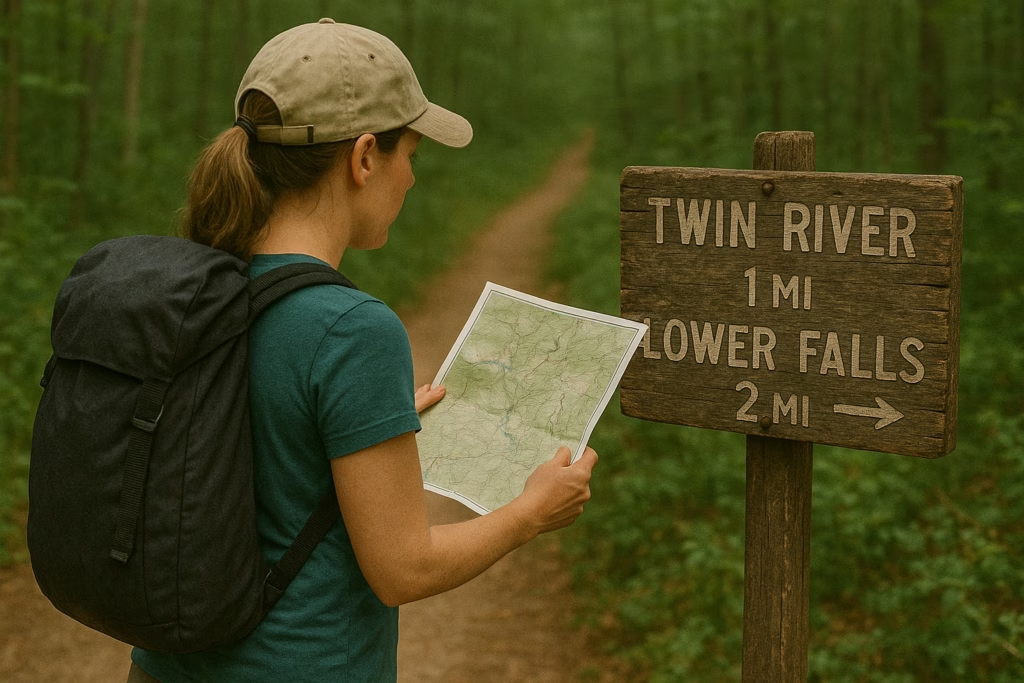
Learning how to read trail signs and maps is one of the most valuable skills a beginner hiker can develop. Even on well-marked paths, knowing how to interpret trail markers, blazes, and map features can help you stay on course, track your progress, and respond calmly if the trail becomes confusing.
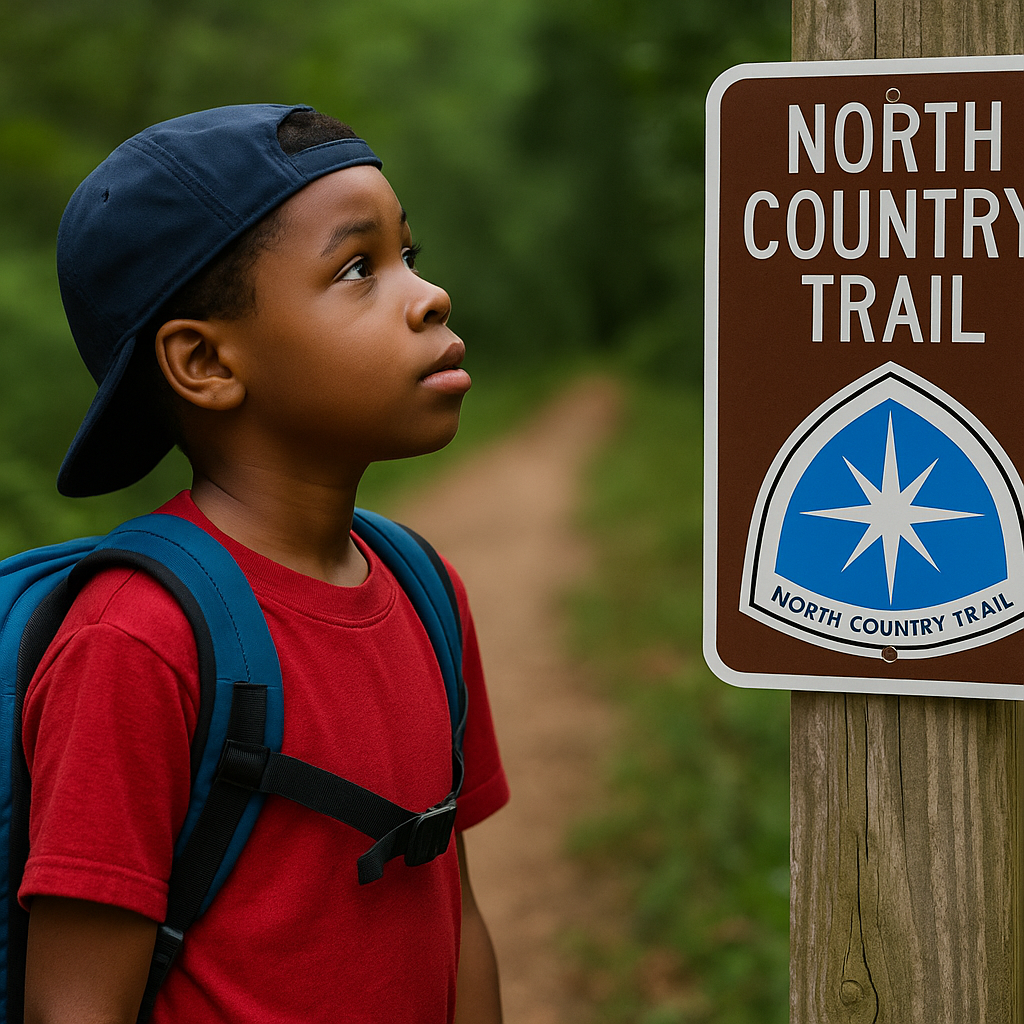
Most trail systems use color-coded signs or symbols to indicate route difficulty, distance, and direction. For example, green or blue trails are often beginner-friendly, while black or red trails indicate more advanced or steep terrain. Trail signs may also include arrows, mile markers, and names of intersecting paths. Pay attention at junctions—many hikers get off course by missing a simple turn.
In many regions, trails are marked with blazes—small paint marks on trees or rocks. A single blaze usually means “continue straight,” while two stacked blazes or an offset blaze may indicate a turn. Learn your local blaze system before heading out, and look ahead frequently to stay oriented.
When using a topographic map, take time to review the legend, contour lines, and trail routes before you start hiking. Match trail signs and intersections you see on the ground with the map to stay aware of your location. Noting elevation changes and nearby landmarks can help you anticipate upcoming climbs, turns, or rest points.
Many beginner hikers also benefit from navigation apps like AllTrails, Gaia GPS, or onX Backcountry. These apps often display real-time location on a trail map and include user reviews and waypoints. Still, it’s important to download maps for offline use in case you lose signal.
Trail signs and maps are not just safety tools—they’re confidence builders. Knowing how to read them helps you hike more independently and prevents costly navigation mistakes. Practice on local trails, pause to check your map at every major intersection, and don’t hesitate to backtrack if something feels off.
The more you practice reading signs and maps, the more comfortable—and adventurous—you’ll become on the trail.
Hiking for Beginners Summary
Hiking Equipped gives new hikers a clear, confidence‑building path from first walk to longer trails.
Start smart: Pick short, well‑marked routes with modest elevation. Check the forecast, daylight, and trail reports; leave a trip plan with a contact.
Dress to manage sweat and weather: Moisture‑wicking base layers, light insulating layer, and a wind/rain shell. Wear supportive footwear with tread; bring extra socks.
Pack the essentials: Water and electrolytes, calorie‑dense snacks, paper map + compass (and offline app), headlamp with spare power, basic first‑aid/blister kit, whistle, sun/bug protection, and an emergency layer/bivy.
Build confidence—solo or with friends: Solo hikes require conservative routes and redundant nav/comms; groups add shared safety but need agreed pace, spacing, and a hard turnaround time.
Read the trail: Learn common trail signs, blazes, and topo basics to confirm location and direction. Cross‑check landmarks, junctions, and elevation.
Move well: Warm up with simple leg swings, walking lunges, and ankle rolls. Pace for conversation on climbs, take short, regular sips and snacks, and keep strides short on descents.
Avoid common mistakes: Starting too late, under‑hydrating, new‑boot blisters, cotton clothes, ignoring turnaround times, and relying only on a phone.
Safety first: Watch weather and energy; if one warning sign appears (fatigue, cramps, incoming storms, getting off‑route), downgrade or turn around early. Practice Leave No Trace and courteous right‑of‑way.
With the right route, clothing, essentials, and habits, you’ll hike farther, recover faster, and enjoy the trail from the very first outing.