Essential hiking gear for every trail starts with smart choices you can trust. This guide shows you the essential hiking gear that keeps you safe, comfortable, and ready for changing terrain and weather. For trip planning and sky cues, see Weather Awareness. Beginners can also review Hiking for Beginners: Trail Skills & Gear Basics.
Backpacks That Fit: Where Essential Hiking Gear Begins
A well-fitted pack is essential hiking gear because it carries your load efficiently and reduces fatigue. Learn torso sizing and hip-belt fit in our Backpack Fit & Sizing guide and compare pack volumes to your trip type. For a quick visual, see a reputable backpack fit guide.
Pack Capacity Quick Picks
Day hikes: 15–30 L for water, layers, snacks.
Weekends: 30–50 L for shelter, sleep kit, extra food.
Multi-day/expedition: 50–80+ L for tent, stove, and bulkier insulation.
Add-ons to consider: hydration sleeve, rain cover, external lash points. If you’ll carry a tent, compare designs here: Tent Types and note long-term care tips: Backpacking Tent Maintenance. A detailed tent-setup walk-through is here Hiking Tent Setup.
Hiking Footwear Essentials for Every Terrain
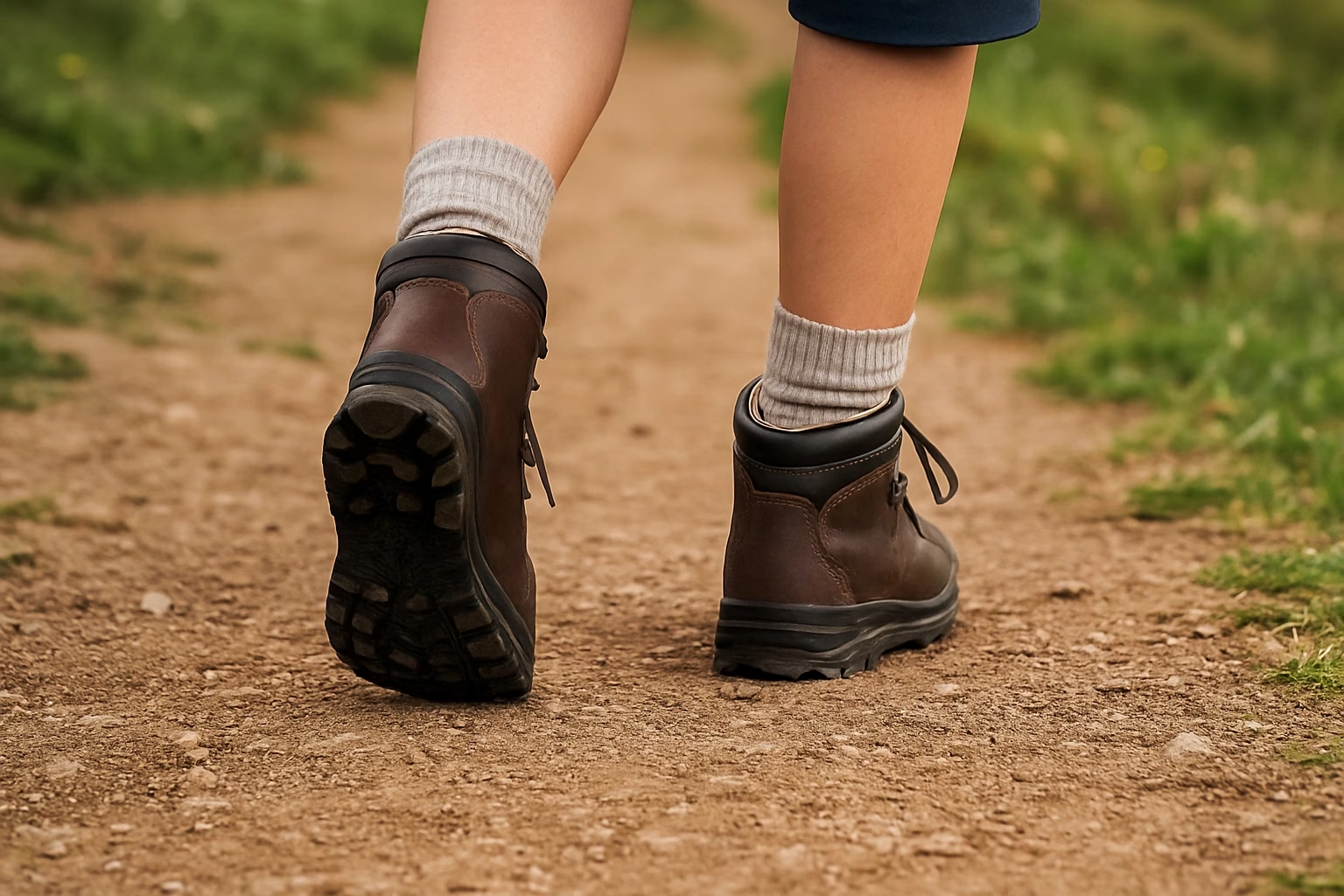
Footwear is essential hiking gear because it protects your stride and prevents injuries. Use our Best Hiking Footwear by Terrain guide to match boots, shoes, or trail runners to conditions. For fit pointers and break-in basics, see a trusted footwear fit resource.
Choose by Trail and Load
Boots: support and durability for rough trails or heavy packs.
Hiking shoes: light, flexible comfort for moderate routes.
Trail runners: breathable speed for dry, well-maintained paths.
Smart Layering: Clothing You’ll Count as Essential Hiking Gear
Layering keeps you dry, warm, and ready for swings in weather. See Layers 101 and cross-check with Weather Awareness for wind, rain, and heat strategies. For shell and fabric basics, consult a respected outerwear guide
Three-Layer System
Base: moisture-wicking merino or synthetic.
Mid: fleece, active-insulation, or light down/synthetic.
Shell: waterproof/breathable jacket with vents and an adjustable hood.
Pack sun hat, buff, gloves, and spare dry socks. Skip cotton.
Navigation You Can Trust: Non-Negotiable Essential Hiking Gear
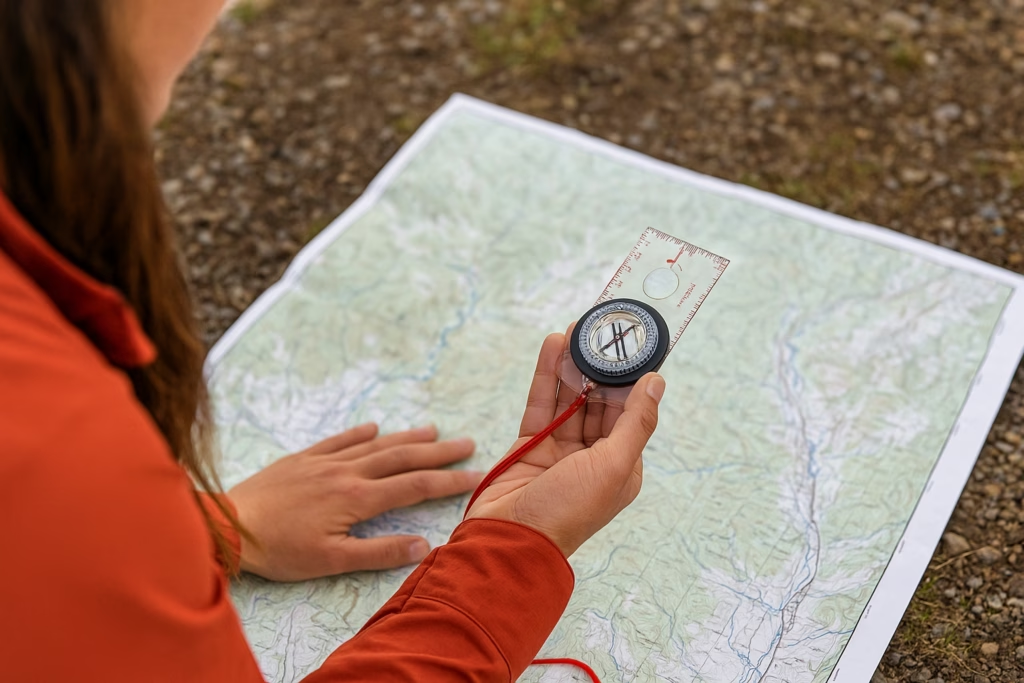
Digital maps are great, but backups matter. Build skills with Essential Hiking Navigation and learn your Baseplate Compass.. For reading topo maps and bearings, use a reliable how-to guide
Redundant Tools
Offline GPS/app + power bank.
Paper topo map in a waterproof sleeve.
Baseplate compass; practice bearings and triangulation.
Hydration and Trail Fuel: Essential Gear to Keep You Moving
Dehydration and bonking ruin days fast. See Hydration & Nutrition for Hikers. For heat, altitude, and hydration safety, reference a reputable health/parks source.
Carry, Treat, and Fuel
Capacity: 2–3 L via bladder/bottles.
Treatment: squeeze filter, tablets, or UV.
Fuel: carb-forward snacks plus protein/fat; add electrolytes on hot climbs.
Cooking on overnights? Compare stove types here: Best Backpacking Stoves.
Trekking Poles, First Aid, and Safety Gear Every Hiker Should Pack
This is essential hiking gear for stability and emergencies. Brush up with First Aid & Safety Basics and review wilderness first-aid guidance from a trusted source. Follow Leave No Trace for low-impact travel.
Safety Shortlist
Trekking poles for joints and balance.
Headlamp + spare power; whistle; knife/multi-tool.
Fire starter; repair tape; spare buckle/strap.
Compact first-aid kit with blister care and meds.
Emergency bivy/blanket; optional satellite communicator for remote routes.
Shelter & Sleep for Overnights: Extend Your Essential Hiking Gear for Every Trail into Camp
Choose shelter by season, wind, and expected lows. Compare 3-season vs 4-season designs. Keep your tent storm-worthy with these maintenance tips (internal link → /blog/backpacking-tent-maintenance-repair) and setup checklists (internal link → /blog/hiking-tent-setup). For sleeping pad R-values and warmth planning, see a reputable sleep-system explainer (outbound link).
Sleep System
Tent or tarp + full-coverage rainfly and good guy-outs.
Sleeping bag/quilt rated to the night low.
Pad with sufficient R-value (R 3–5 three-season; R 5+ winter).
Sun, Bugs, and Environment Protection: Small Items, Big Comfort
Round out your essential hiking gear with UPF layers, sunscreen, sunglasses, lip balm, and bug control. For UV and tick safety, check a reliable agency resource (outbound link). When mud, snow, or scree appear, add gaiters or microspikes.
Quick Checklists
Day hike — essential hiking gear
20–25 L pack • map/compass/phone with offline maps • 2–3 L water + treatment • snacks/electrolytes • shell • sun/bug protection • headlamp • small first-aid • repair tape • emergency bivy • trekking poles (optional).
Weekend Overnight
40–50 L pack • all day-hike items • tent/tarp • bag/quilt to temp • pad R 3–5 • stove/fuel + lighter • extra insulation.
Winter/Remote
R 5+ pad (layer foam) • heavier shell and gloves • stove for snow-melt • more calories/electrolytes • satellite communicator • hard turnaround time.
Essential Hiking Gear for Every Trail — Wrap-Up
Pack light, pack right, and practice with your kit before big objectives. The essential hiking gear above covers what you need most, with links to deep dives across Hiking Equipped. Want a printable checklist or comparison table for packs, footwear, or stove types? Say the word and I’ll generate one you can download and post.