
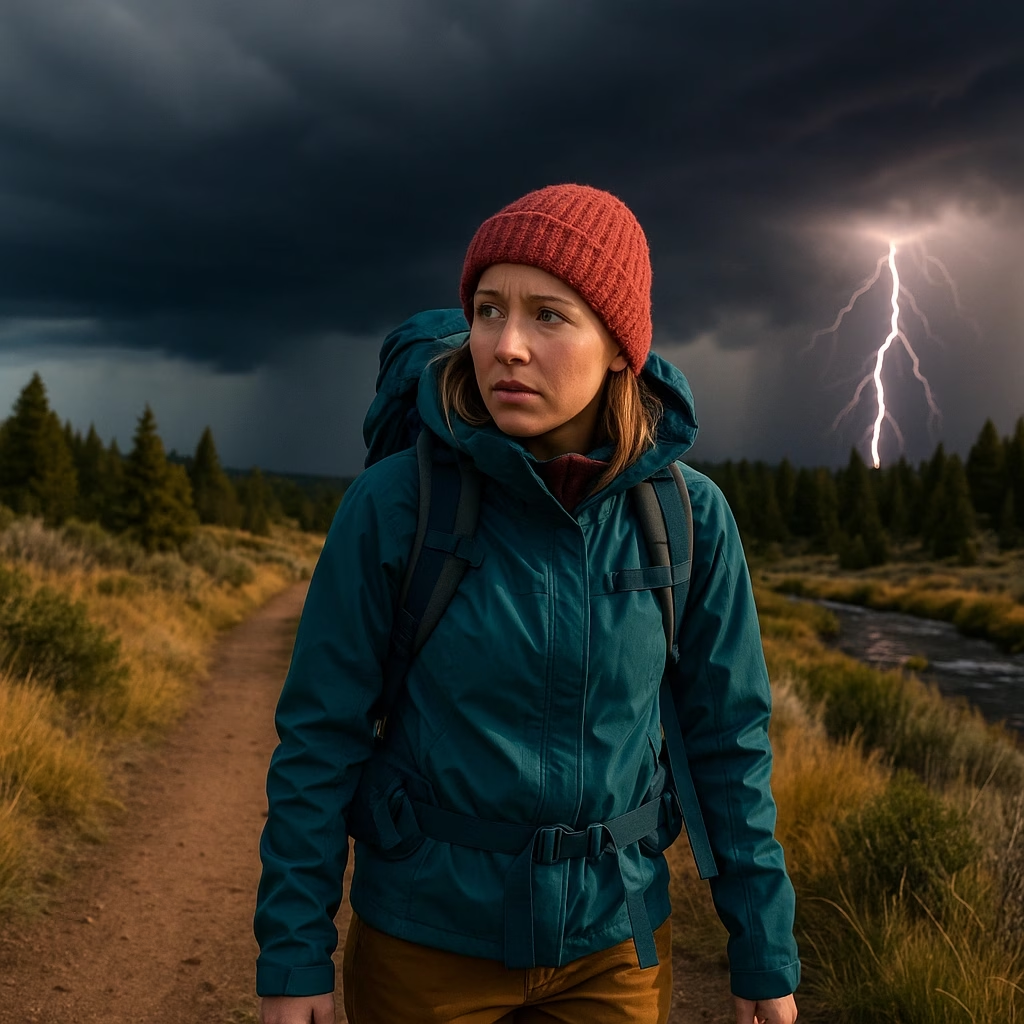
On the trail, hiking weather conditions can shape your safety, comfort, and success more than almost anything else. At Hiking Equipped, we believe that every hiker—beginner or seasoned—should develop strong weather awareness skills for hikers before stepping onto the path. Knowing how to read the sky while hiking, interpret cloud formations, and use a mountain weather forecast helps you stay alert to risks. You’ll avoid dangerous trail conditions and make smart decisions in real time.
Sudden thunderstorms, shifting winds, and temperature drops are among the most common hiking weather hazards that catch unprepared hikers off guard. In this guide, we’ll cover how to spot visual weather clues on the trail, use the best hiking weather apps and radar tools. This will help you plan hikes around seasonal weather patterns. Whether you’re exploring the backcountry wilderness or taking a short-day hike, building weather preparedness for hikers is just as essential as carrying water, boots, or a backpack.
By mastering these skills, you’ll hike with greater confidence, reduce your exposure to sudden storms, and stay safe, dry, and trail-ready in any season.
Using Weather Apps and Forecasts for Smart Planning
Smart hikers know that checking hiking weather forecasts and using the best hiking weather apps is just as critical as packing boots or water. Accurate mountain weather forecasts and real-time radar help you plan safer, more enjoyable hikes—whether it’s a short day hike or a multi-day backcountry trek.
In today’s hiking landscape, weather preparedness and weather awareness for hikers means more than glancing at the sky. It requires using the best hiking weather apps and trail forecast tools to plan safer adventures. A reliable mountain weather forecast can mean the difference between a scenic summit and a dangerous situation. Whether you’re hiking a local day trail or embarking on a multi-day backcountry trek, incorporating digital weather tools into your plan is essential for hiking safety and preparedness.
Top-rated apps for hikers include Windy, AccuWeather, Weather Channel, and NOAA Radar Live, which deliver real-time weather radar for hikers, precipitation predictions, wind speed, and temperature trends. For deeper analysis, Meteoblue and MyRadar provide satellite imagery and pressure maps—helpful for spotting approaching storm fronts on the trail. Look for apps with offline weather access for hikers, especially when exploring remote wilderness areas with poor cell service.
Essential Gear for Weather-Ready Hiking in Any Climate
Packing the right weather-resistant hiking gear can make the difference between a safe hike and a dangerous one. From layered hiking clothing to waterproof hiking boots and emergency tools, being equipped for all-weather trail conditions ensures you’re prepared for sudden changes in climate and terrain.
Whether you’re trekking in desert heat, alpine snow, or rainy forest trails, having the right weather-resistant hiking gear is critical for trail safety in all conditions. Smart hikers know that packing for unpredictable weather isn’t just about comfort—it’s about survival.
Layering is the foundation of weather-ready hiking clothing: a moisture-wicking base layer, an insulating mid-layer, and a waterproof rain shell for hikers. Choose quick-drying hiking fabrics like merino wool or synthetics, and avoid cotton, which increases hypothermia risk while hiking.
Footwear is equally vital. Opt for waterproof hiking boots for wet terrain, or breathable trail shoes for hot weather hiking. Pair them with moisture-wicking socks to reduce blisters. Additional weather-protection gear includes sun hats, UV sunglasses, gaiters, and rain covers. Always carry emergency hiking essentials: a GPS or map and compass, emergency bivy, headlamp, and first-aid kit tailored for weather-specific hiking hazards.
Knowledge of Cloud Formations: What the Sky Tells You About Weather Awareness for Hikers
Learning how to read cloud types while hiking is a key part of weather awareness for hikers. By spotting storm clouds on the trail and recognizing signs of incoming weather, you’ll gain a powerful skill for anticipating dangerous hiking conditions before they arrive.
For hikers, the sky doubles as a natural weather forecast. Learning how to read cloud types while hiking is a core skill for outdoor weather awareness. Being able to recognize storm clouds on the trail helps you avoid dangerous weather before it strikes.
Cumulus clouds: puffy and white, signal fair weather but can evolve into cumulonimbus storm clouds with lightning, rain, or hail.
Stratus clouds: low and gray, bring drizzle, fog, or snow—common hazards for mountain hiking visibility.
Cirrus clouds: wispy and high, often indicate a front approaching within 24–48 hours.
Pay attention to fast-moving clouds over mountains, darkening skies, and sudden buildups—all classic signs of thunderstorms while hiking. Cloud-reading becomes especially critical in backcountry hikes without cell service, where relying on visual clues is often your only option.
Understanding Wind, Light, and Temperature Changes on the Trail
Subtle cues like wind shifts, dimming light, and sudden temperature drops are critical weather signals for hikers. Developing this trail weather awareness skill helps you detect approaching storms while hiking and make fast, informed safety decisions.
Hikers who develop trail weather awareness skills know that subtle cues like wind shifts, light changes, and sudden temperature drops are warnings that bad weather is approaching while hiking.
Wind shifts: A sudden increase in gusts on ridges or open terrain often signals approaching storms on the trail.
Light changes: A sky shifting from bright to gray or tinted green/yellow can warn of severe hiking weather conditions.
Temperature swings: Rapid cooling may mean a cold front on the trail, while rising humidity signals possible thunderstorms.
By learning to read these signals, hikers gain an edge in making fast trail safety decisions—whether that means seeking shelter, adding layers, or turning back before it’s too late.
Seasonal Weather Hazards: How to Hike Safely in All Conditions
Every season brings unique weather hazards for hikers—from summer heatstroke risks to winter frostbite dangers. Understanding seasonal hiking weather conditions ensures you can adapt gear, pacing, and route planning for year-round trail safety and preparedness.
Each season brings unique weather hazards for hikers, and knowing how to adapt your gear and strategy is key to all-season hiking safety.
Summer hiking weather: High heat, humidity, and thunderstorms increase risks of dehydration, heatstroke, and lightning hazards on trails.
Fall hiking weather: Cooler temps and slippery leaves require layering for temperature swings and carrying a headlamp for shorter days.
Winter hiking weather: Ice, snow, and wind bring risks of frostbite, hypothermia, and avalanche hazards in mountains.
Spring hiking weather: Melting snow causes flash floods, muddy trails, and unstable crossings—demanding waterproof boots and trekking poles.
Always check the trail weather forecast before hiking, pack for the season, and leave an itinerary with someone. Adapting to seasonal conditions ensures year-round hiking safety and preparedness.
Storm Safety for Hikers: What to Do When the Weather Turns Dangerous
When the sky darkens and storms roll in, storm safety for hikers becomes your top priority. Knowing how to follow the 30/30 lightning rule, avoid flash flood hazards on trails, and use storm safety gear for hiking can protect you in life-threatening conditions.
When storms roll in, storm safety for hikers becomes the top priority. From lightning safety on the trail to handling high winds and heavy rain while hiking, knowing what to do can save your life.
Follow the 30/30 lightning rule for hikers: if thunder follows lightning in under 30 seconds, seek shelter immediately and wait 30 minutes after the last thunderclap before resuming. Avoid exposed ridgelines, lone trees, and open water—instead, move to lower ground or forested terrain.
In high winds, stay clear of dead trees or branches. Heavy rain can cause flash floods on trails—never cross swollen streams. If caught, use storm safety gear for hikers like rain shells, pack covers, and emergency bivvies to stay dry and warm.
Weather Awareness for Hikers — Summary
Weather Awareness teaches hikers to read the sky, check forecasts, and make safe decisions when conditions shift. You’ll learn to interpret cloud types, sky texture, wind changes, temperature drops, and shifting light. Pair these observations with quality forecasts and radar to plan start times, routes, and turnarounds. The guide addresses hazards like heat, dehydration, wildfire smoke, cold rain, snow, and ice. Storm safety includes spotting thunderstorm build-up, using spacing on exposed terrain, following the 30/30 lightning rule, and seeking safer ground. Essential gear includes a breathable rain shell, insulating mid-layer, wind shirt, dry gloves, hat, and emergency bivy. The decision workflow is simple: consult multiple forecasts, set turnaround times, monitor sky and wind, and downgrade early if needed. Mastering these habits helps you hike cooler in heat, warmer in cold, and safer around storms.
When lightning strikes during a backpacking trip, knowing what to do can make all the difference. In this video, Andy, with The American Backpacker explains how to recognize changing weather patterns, reduce your risk in exposed areas, and respond safely if a storm catches you on the trail. Watch to learn smart, potentially life-saving steps for hiking through severe weather.
⚠️ Safety Tip: When thunderstorms roll in, descend from ridgelines and avoid open ledges or metal trekking poles. Shelter in low terrain until at least 30 minutes after the last thunderclap.