
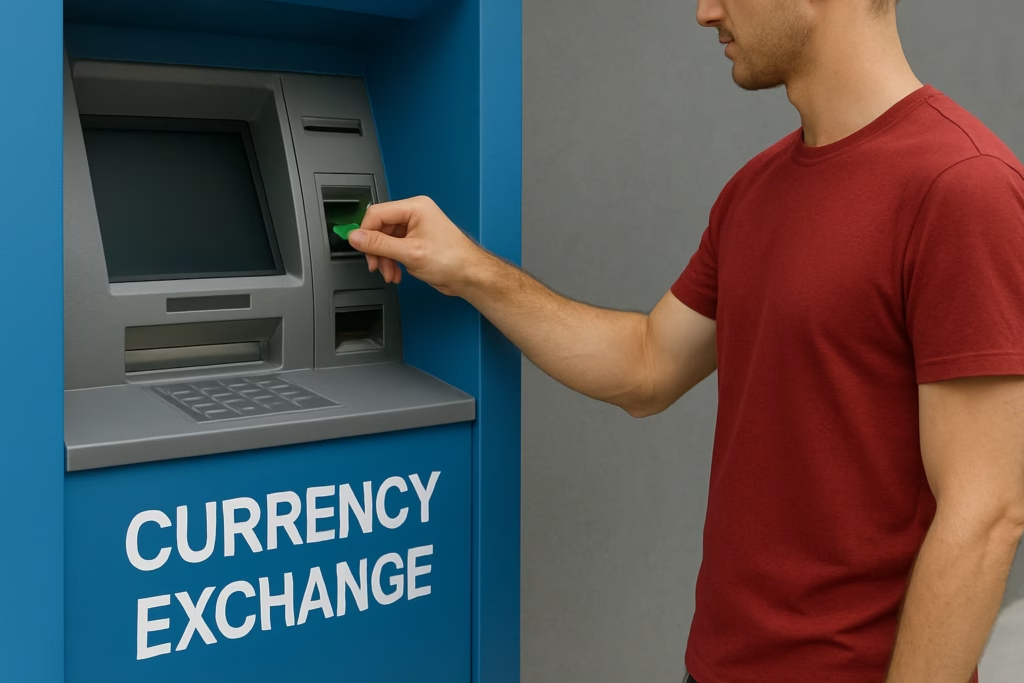
When you’re hiking abroad, the trail itself may be rugged, but managing your money doesn’t have to be. Whether you’re trekking Scotland’s Highlands, crossing the Pyrenees in Spain, or exploring Canada’s backcountry towns, access to cash is a practical concern. ATMs and currency exchange services are essential tools for international hikers but knowing how to use them wisely can save you money, reduce hassle, and keep your trip stress-free.
This guide breaks down the best practices for using ATMs, handling currency, and staying secure — so you can focus on the adventure, not the fees.
➡ Back to: Hiking Scotland → Practical Travel Logistics → ATMs & Currency Exchange
Why International Hikers Need to Plan for Currency
Remote Areas – Trails often pass through small villages with cash-only shops.
Unexpected Costs – Taxis, buses, or emergency supplies may require local currency.
Security – Carrying too much cash is risky, but relying only on cards may leave you stranded.
Using ATMs and Currency Exchange Abroad: Best Practices
Choose Bank ATMs – Use machines attached to banks rather than stand-alone kiosks; they’re more secure and usually have lower fees.
Withdraw Larger Amounts – To minimize transaction fees, withdraw enough for several days instead of multiple small amounts.
Check Daily Limits – Your home bank may have withdrawal caps; adjust before leaving.
Avoid Dynamic Currency Conversion – Always choose to be charged in the local currency, not your home currency, to avoid poor exchange rates.
Currency Exchange Tips for Hikers
Exchange Before You Go – Carry a small amount of local currency for immediate needs (taxis, snacks, emergencies).
Skip Airport Kiosks – Their rates are notoriously poor. Banks and post offices in-country usually offer better deals.
Know Local Denominations – Get familiar with common bills/coins to avoid confusion on the trail.
Use Cash Strategically – Save cash for remote areas; use cards in cities when possible.
Safety & Security Tips
Cover Your PIN – ATM fraud can happen; always shield your hand.
Use Well-Lit Areas – Withdraw during the day or in secure locations.
Keep Backup Options – Carry at least one backup card, stored separately from your main wallet.
Digital Safety – Notify your bank of travel dates to avoid blocked cards.
Real-World Example: Hiking in Scotland
On the West Highland Way, you’ll find ATMs in larger towns like Milngavie and Fort William, but many villages still prefer cash. Having a mix of card and local currency ensures you can buy meals at small inns, grab supplies, or pay for transportation without worry.
ATMS and Currency Exhange Conclusion
Managing money abroad doesn’t need to be stressful. By using ATMs wisely, planning for currency exchange, and practicing safe habits, you can keep your trip running smoothly. For international hikers, having both the knowledge and confidence to handle money abroad is just as important as packing the right boots or choosing the right tent.
So next time you’re heading for a trail overseas, remember, plan your finances as carefully as your gear, and you’ll be ready for anything the journey throws your way.