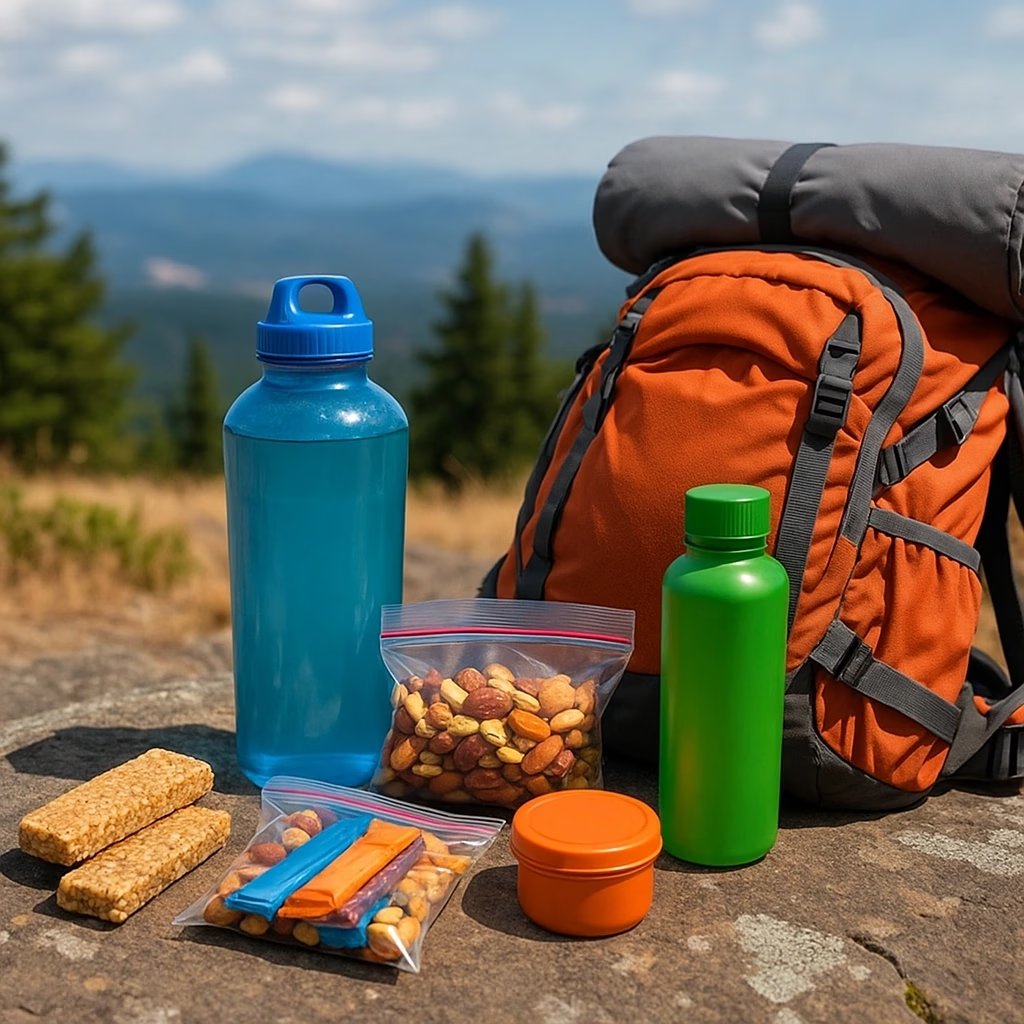
Welcome to the Trail Nutrition and Hydration Tips section of Hiking Equipped—where smart fueling meets stronger, safer hiking. Whether you’re setting out for a short-day hike or preparing for a multi-day backpacking trip, what you eat, and drink can make or break your experience. For more beginner basics, see Hiking for Beginners.
Proper trail nutrition and hydration tips aren’t just about curbing hunger—they’re about maintaining energy, boosting endurance, and supporting recovery. From high-protein snacks to slow-burning carbs and quick-recovery meals, we’ll guide you through the best foods to pack for hikes of every length, intensity, and terrain. For gear that supports fueling on the move, visit Essential Hiking Gear for Every Trail.
Hydration is equally essential. Even mild dehydration can lead to fatigue, muscle cramps, and impaired decision-making—especially in heat or altitude. These trail nutrition and hydration tips teach you how to calculate water needs, what to carry, and how to refill using filters, tablets, or UV purifiers. You’ll also learn the role of electrolytes and how to replenish them effectively. For route planning and weather risk, see Weather Awareness – Reading the Sky & Forecasts.
Whether you’re new to hiking or an experienced backpacker, this page helps you make informed, trail-tested choices about nutrition and hydration before, during, and after your hike. We also include product pointers, pro tips, and practical advice so you stay fueled, stay safe, and hike stronger—one step and one snack at a time.
What to Eat Before, During, and After a Hike for Maximum Energy
Fueling your body properly before, during, and after a hike is one of the smartest ways to boost performance, prevent fatigue, and speed up recovery. Whether you’re planning a short trek or a strenuous all-day adventure, knowing what to eat and when can keep your energy levels stable and your mind sharp on the trail.
Before the Hike: Build a Balanced Foundation
About 1–2 hours before heading out, aim for a balanced meal with complex carbohydrates, lean protein, and healthy fats. Think whole grain toast with peanut butter and banana, or oatmeal with almonds and berries. These foods provide slow-burning energy, help stabilize blood sugar, and keep you full longer. Avoid high-sugar snacks or heavy, greasy meals, which can lead to sluggishness or stomach discomfort once you’re moving.
During the Hike: Replenish and Sustain
For hikes lasting longer than 60–90 minutes, plan to eat small, frequent snacks every hour to maintain energy and avoid crashes. Choose lightweight, high-energy foods like trail mix, energy bars, jerky, dried fruit, nut butter packets, or electrolyte chews. These options are portable, nutrient-dense, and easy to digest on the move. If your hike includes steep elevation gains or high mileage, increase your calorie intake accordingly.
Be sure to pair your snacks with regular sips of water—digestion and hydration go hand in hand.
After the Hike: Recover and Rebuild
Recovery meals should focus on replacing glycogen and repairing muscle tissue. Within an hour of finishing your hike, eat a combination of carbs and protein—like a turkey sandwich, rice and beans, or a protein smoothie with fruit. Rehydrate thoroughly and consider adding electrolyte tablets or coconut water to replenish lost minerals.
Even short hikes can deplete your energy reserves if you’re under-fueled. By timing your nutrition to match the demands of your hike, you’ll reduce fatigue, improve endurance, and bounce back faster for your next adventure.
Top Trail Snacks (Trail Nutrition and Hydration Tips Without Extra Bulk)
What makes a great trail snack?
Lightweight, shelf-stable, easy to eat on the move; mix complex carbs for steady energy with protein and healthy fat for satiety.
Smart picks: trail mix; energy/granola bars (≥5g protein); nut-butter packets; jerky (meat or plant-based); dried fruit; mini tortilla wraps; electrolyte chews. National Park Service also highlights salty, easy-to-digest snacks as part of the Ten Essentials.
Packing tips: pre-portion into resealable bags; label by time-of-day; avoid snacks that crumble/melt; keep a quick-grab pocket stash for breaks. For dog-friendly choices and etiquette, see Hiking with Dogs.
How to Stay Hydrated While Hiking: Water-Intake Tips & Trail Tools
How much water to drink?
Start your day hydrated, drink regularly on trail. A widely used guideline is ~0.5 L/hour in moderate conditions; increase toward 1.0 L/hour in heat, altitude, or very strenuous efforts. Pre-hydrate with ~500 ml (~17 oz) about 2 hours before activity.
Hydration tools:
Hydration bladders (encourage frequent sipping)
Bottles (wide-mouth pairs well with most filters)
Collapsible bottles (great for capacity “on demand”)
Electrolyte tablets/powders for sodium/potassium/magnesium
Water treatment: squeeze/pump filters, UV purifiers, chlorine dioxide tablets (see Navigation & Safety and Baseplate Compass for route/water-source planning; internal links)
Plan ahead for water sources.
On dry routes, carry 2–3 L per person and budget extra for cooking. On water-rich routes, confirm flow conditions and bring the right treatment method. For a packing cross-check, review Essential Hiking Gear for Every Trail (internal link).
Electrolytes & Endurance: Trail Nutrition and Hydration Tips Beyond Plain Water
Water alone may not be enough on long, hot, humid, or high-altitude days. Sweat losses include sodium, potassium, calcium, magnesium—key for muscle function, nerve signaling, and fluid balance. Inadequate replacement can cause fatigue, cramping, dizziness, or confusion.
Replenish electrolytes by:
Tablets or powders (low-sugar options are often best)
Endurance drink mixes, chews, or gels
Salty snacks (pretzels, salted nuts, jerky)
Why balance matters: Over-diluting with plain water without sodium can lead to exercise-associated hyponatremia (EAH)—a low blood-sodium state that can be dangerous. Recognize the risk in long duration events and replace fluids/electrolytes appropriately.
Backpacking Meal Planning (Trail Nutrition That’s Light, Dense, Satisfying)
For multi-day trips, target calorie-dense foods: ≥100–125+ calories per ounce to save weight while keeping energy up. Expect ~2,500–4,500+ kcal/day depending on size, terrain, weather, and mileage.
Breakfast: instant oatmeal with powdered milk, dried fruit, nut butter; dehydrated egg mixes; bars + coffee/tea
Lunch: tortillas + tuna packets/nut butter/cheese; calorie-dense trail mix; couscous or instant soup with olive oil
Dinner: freeze-dried meals; instant rice/pasta with protein add-ins; ramen plus dehydrated veg/jerky
Snacks: nut-butter packets, bars, jerky, fruit leather, dark chocolate, electrolyte chews/crackers
Efficiency tips: repackage into resealable bags; use a small stove if you want hot meals (see Choosing the Best Backpacking Stove); pack a long-handled spoon and Warning Signs of Dehydration & Under-Fueling (Read These Before You Bonk)
Dehydration cues: dry mouth/thirst, headache/dizziness, dark urine or low output, fatigue or cramps, lightheadedness, irritability/confusion. NPS reminds hikers to snack and drink regularly as heat exhaustion can sneak up on you.
Under-fueling cues: sudden energy crash (“bonk”), loss of appetite, shakiness/nausea, poor focus/motivation, unusual weakness or soreness.
Respond fast: hydrate (consider electrolytes), eat a quick carb+protein snack, take a shaded break, reassess route/pace. Prevention beats treatment—drink regularly, snack often, and carry more food/water than you think you’ll need. For packing checks, see Essential Hiking Gear for Every Trail and Hiking for Beginners.
✅ Final Thoughts on Trail Nutrition and Hydrations Tips: Fuel Right, Hike Strong
Trail nutrition and hydration tips are core to performance and safety. Plan balanced pre-hike meals, pack lightweight high-energy snacks, drink consistently, and replace electrolytes in heat or long efforts. Listen to your body’s cues and act early. Explore our gear pages and stove guides to build your personal fueling system—and hike with confidence.