
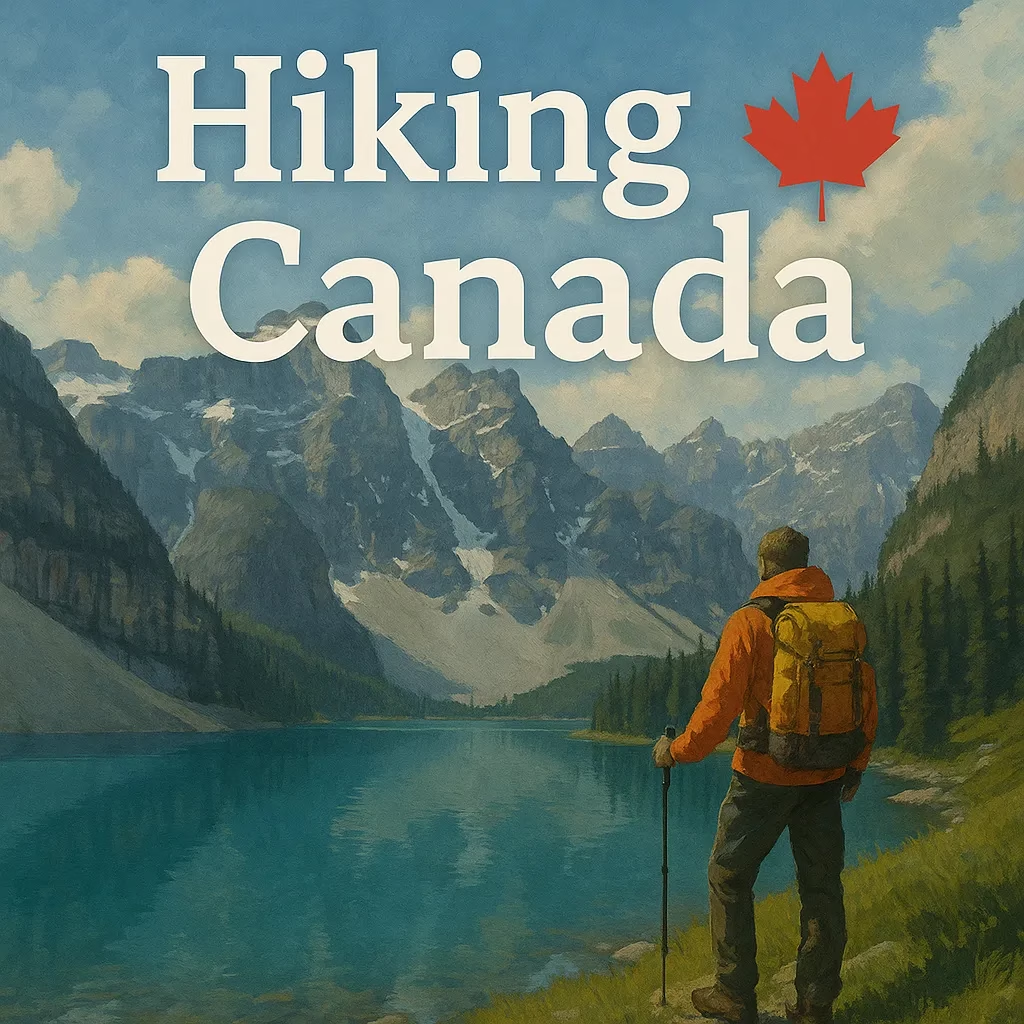
Hiking Canada trails offers some of the most breathtaking adventures in the world — from turquoise alpine lakes in the Rockies to rainforests along the West Coast and rugged fjords in Newfoundland. For international hikers, the sheer scale of Canada’s wilderness is both its greatest attraction and its biggest challenge. Trails like the West Coast Trail, Banff and Jasper’s alpine routes, and Gros Morne’s Long Range Traverse reward hikers with unforgettable scenery and unmatched solitude.
 Read more: International Hiking Hub, Canadian National Parks.
Weather & Seasonal Planning for Canadian Trails
Canada’s vast size means hiking conditions vary dramatically across regions. Careful planning is essential to match your route with the right season.
➡ Read more: Rockies & Alpine Parks (Banff, Jasper, Yoho) – Best season is June–September. Snow often lingers into July, while early storms may strike in September.
➡ Read more: West Coast (Vancouver Island, British Columbia) – Expect rain year-round. Summer (June–August) is driest and best for the West Coast Trail.
➡ Read more: Atlantic Canada (Gros Morne, East Coast Trail) – Summers are mild but fog, wind, and rain are frequent. Trails can be slick and visibility limited.
➡ Read more: Northern Canada & Yukon – Short hiking season (late June–August) with long daylight hours. Sudden storms and cold nights demand proper preparation.
Essential Gear & Trail Preparation Tips for Wilderness Adventures
Preparing for Hiking Canada trails means carrying gear built for remote and rugged conditions. The right equipment can make the difference between a safe, enjoyable adventure and a difficult trip.
➡ Read more: Tents – Sturdy three- or four-season tents are best for alpine and coastal conditions. Strong winds and wet ground make durability essential.
➡ Read more: Cooking & Stoves – Canister fuel is available in cities but scarce in rural areas. Carry extra fuel for remote hikes. Lightweight stoves work, but liquid fuel is more reliable in harsh weather.
➡ Read more: Clothing – Layering is critical. Waterproof shells protect against coastal rain, while insulating layers keep you warm in alpine environments.
➡ Read more: Safety Gear – Bear spray is essential in many regions. A GPS or satellite messenger is strongly recommended for backcountry navigation and emergencies.
➡ Read more: Permits – National and Provincial Parks often require advance reservations for backcountry camping. Plan ahead to secure your route.
Iconic Trails & Destinations Across Canada
Canada offers some of the most iconic hiking routes in the world, from coastal treks to alpine traverses.
➡ Read more: Banff & Jasper Skyline Trail, Plain of Six Glaciers, and Icefields Parkway routes.
➡ Read more: West Coast Trail (British Columbia) – A demanding 75-km coastal trek with ladders, river crossings, and rugged rainforest terrain. Permits are required, and conditions are often muddy.
➡ Read more: Gros Morne National Park (Newfoundland) – Known for dramatic fjords, unique geology, and windswept coasts. The Long Range Traverse challenges experienced hikers with backcountry navigation.
➡ Read more: Yukon & Northern Wilderness – Trails like the Chilkoot Trail combine Klondike history with raw wilderness. Short seasons and remote conditions demand careful planning and self-sufficiency.
Travel Logistics & Tips for Hiking in Canada
Read more: ATMs & Currency Exchange are widely available in cities and towns but rare in remote areas. Always carry some Canadian dollars when hiking in rural regions. Exchange rates are generally best at banks.
➡ Read more: Credit Cards & Business Hours – Credit and debit cards are accepted almost everywhere. However, smaller shops in rural communities may prefer cash. Most stores keep standard hours (9–5). On the other hand, businesses in northern or remote locations may close earlier than expected.
➡ Read more: Local Laws & Customs – Alcohol purchase age is 19 in most provinces, although it is 18 in Alberta, Manitoba, and Quebec. Fire bans are common in summer. For this reason, hikers should check local regulations before setting out. Respect Indigenous lands and cultural sites at all times.
Read more: Driving & Transportation – Canada drives on the right. Public transportation is limited outside urban centers, so rental cars are often essential for trailhead access. Distances are long — as a result, always refuel before leaving town.
Read more: Emergencies & Health Access – The emergency number is 911 nationwide. Hospitals and pharmacies are concentrated in towns and cities; rural and northern areas may have only small clinics. Consequently, hikers should carry travel insurance that covers backcountry emergencies.
Read more: Electricity & Internet Access – Canada uses plug types A and B with 120V/60Hz. Wi-Fi is widely available in cities. However, service becomes unreliable in rural or park areas. Carrying a power bank or satellite device is strongly recommended.
Read more: Language & Communication – English is widely spoken, while French dominates in Quebec. Indigenous languages are also common in some regions. Therefore, learning a few French phrases is helpful for international hikers.
Read more: Maps & Navigation – Parks Canada and provincial park maps are standard. GPS devices and satellite messengers are strongly recommended, since many backcountry routes are poorly marked.
Read more: Police, Safety & Security – The Royal Canadian Mounted Police (RCMP) and local police cover most areas. While crime rates are low, the real risks come from wilderness hazards such as wildlife and weather.
Read more: Post Office & Telephone – Canada Post operates in most towns and cities. Cell service is limited outside urban areas and highways — in fact, expect dead zones in backcountry parks.
Read more: Time Zones & Weather Updates – Canada spans six time zones. Weather forecasts are available through Environment Canada, regional park offices, and local news. Because conditions can change rapidly, hikers should check updates often, especially in mountains and coastal regions.
Conclusion
Hiking Canada is more than just a walk in the wilderness — it’s an immersion into landscapes that stretch from towering Rockies to rugged coastlines and remote northern trails. Each region offers its own challenge and reward, from the ladders of the West Coast Trail to the alpine passes of Jasper or the fjords of Gros Morne. With the right preparation, reliable gear, and respect for the land, your Canadian adventure can be both safe and unforgettable.
So, whether you’re standing beneath turquoise glacial lakes, navigating coastal rainforests, or trekking through Yukon’s vast wilderness, Canada’s trails are waiting to inspire and test every hiker.