Tent Safety & Comfort
Your tent is more than just a fabric shell—it’s your safe space in the wild. Following tent safety and comfort tips helps you stay warm, organized, and secure through the night. How you arrange, insulate, and prepare your tent environment makes the difference between a restful night and a miserable one. With a few smart strategies, you’ll improve comfort, enhance safety, and protect your gear in any conditions.
Tent Comfort & Safety: Organize Your Space
Keep essentials like headlamps, water bottles, and first aid kits within arm’s reach. Use gear lofts or mesh pockets to store small items and avoid clutter. A neat tent not only saves time when you need something but also helps reduce tripping hazards during the night.
Tent Safety and Comfort: Control Moisture & Condensation
Ventilation is key. Open vents or crack the door slightly to reduce condensation, even in cold weather. Use a microfiber towel to wipe away moisture in the morning. Keeping your tent dry helps preserve fabric, prevents mildew, and ensures a healthier sleeping environment.
Insulate from the Ground Up
A high-R-value sleeping pad provides critical insulation. Add a thin foam pad underneath in extreme cold to block ground chill. Together, these layers improve both warmth and comfort, letting you sleep more soundly through chilly nights.
Maintain Cleanliness for Tent Control
Remove shoes before entering to keep dirt and debris outside. Use a small brush or cloth to keep the floor clean, which also helps preserve tent fabric. A clean tent is not only more comfortable but also extends the life of your gear.
Tent Care & Maintenance.
For more details on long-term tent care, check out REI’s Guide to Tent Maintenance.
Light & Warmth Inside Your Tent
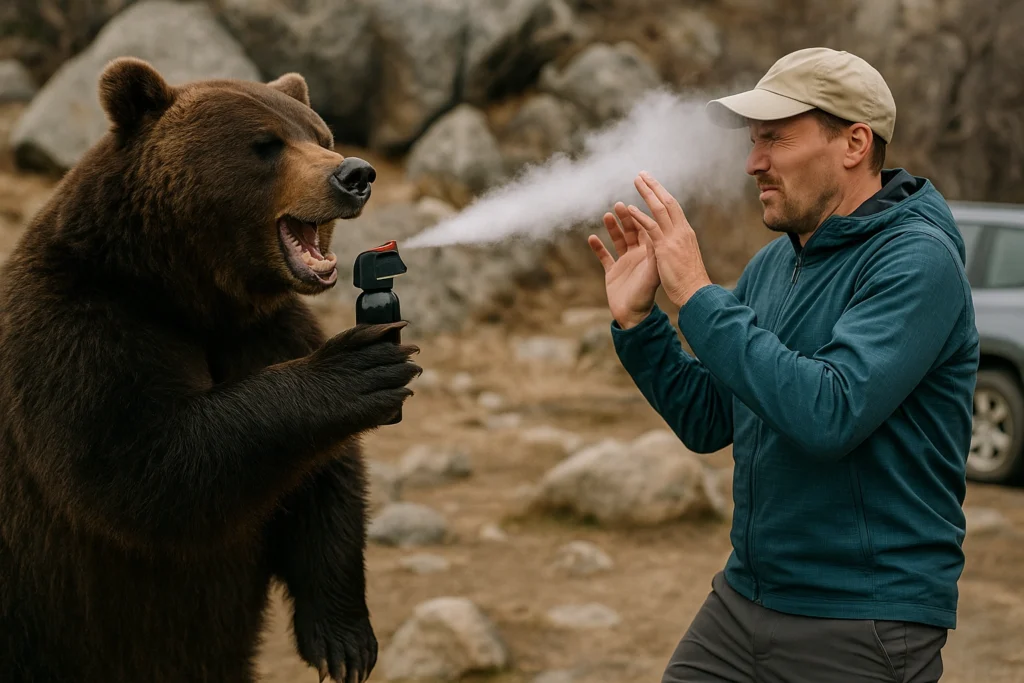
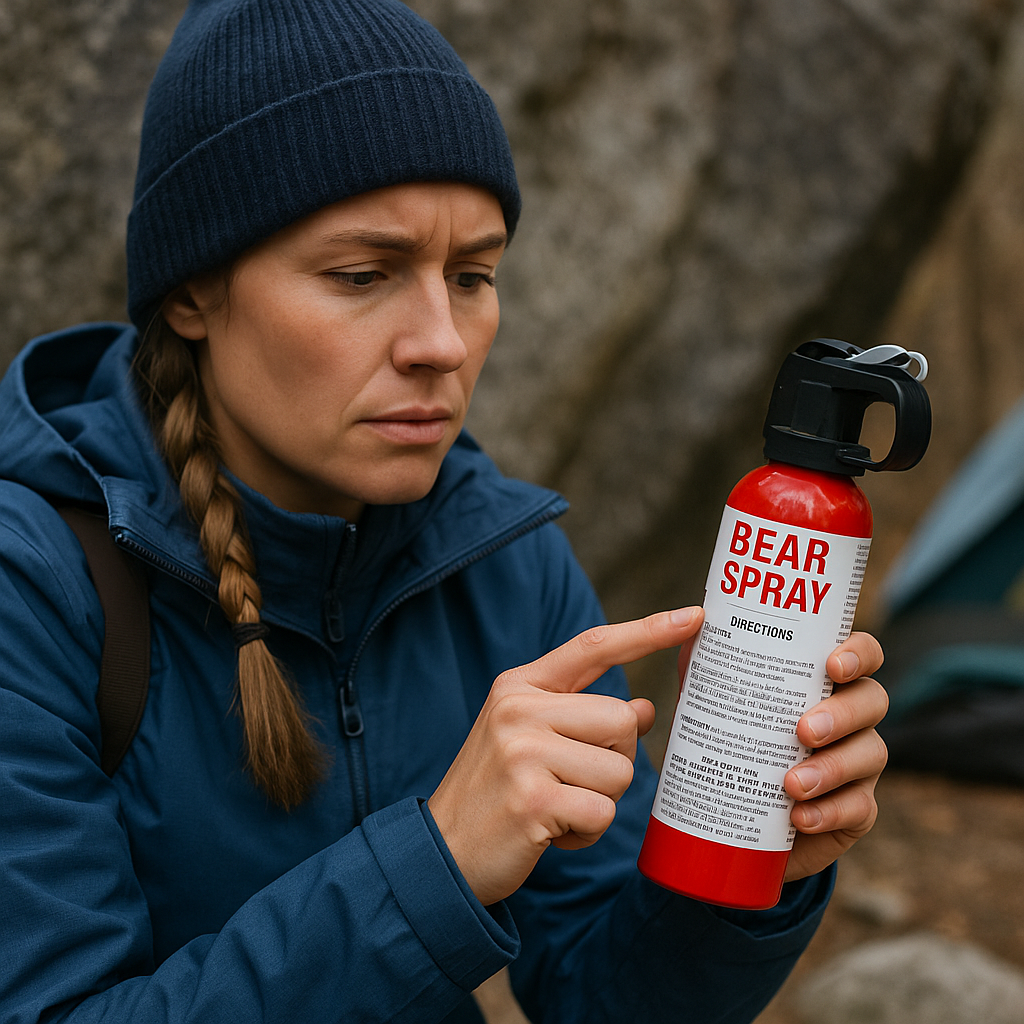
Keep bear spray, a whistle, or other emergency tools nearby. Never cook inside your tent—carbon monoxide and fire hazards are serious risks. Doing a quick “night check” before bed ensures your rainfly is secure, stakes are tight, and your gear is protected from dew or critters.
Tent Safety Practices for Secure Nights
Keep bear spray, a whistle, or other emergency tools nearby. Never cook inside your tent—carbon monoxide and fire hazards are serious risks. Doing a quick “night check” before bed ensures your rainfly is secure, stakes are tight, and your gear is protected from dew or critters.
Backcountry Camping Safety
The National Park Service’s Camping Safety Tips are another great resource for learning how to stay secure outdoors.
Pro Tip:
Do a quick “night check” before bed: confirm your rainfly is secured, stakes are tight, and your gear is protected from dew or critters.
Conclusion: Why Tent Safety and Comfort Tips Matter
A well-prepared tent is more than a shelter—it’s the foundation for rest, recovery, and safety in the backcountry. By applying these tent safety and comfort tips, you’ll reduce risks, stay organized, and create a cozy, secure sleeping space no matter the weather. Remember, good sleep equals better hiking performance. Make comfort and safety part of your gear checklist, and you’ll head into every adventure with confidence.
➡ Read more: Return to Tent Pillar Hub →