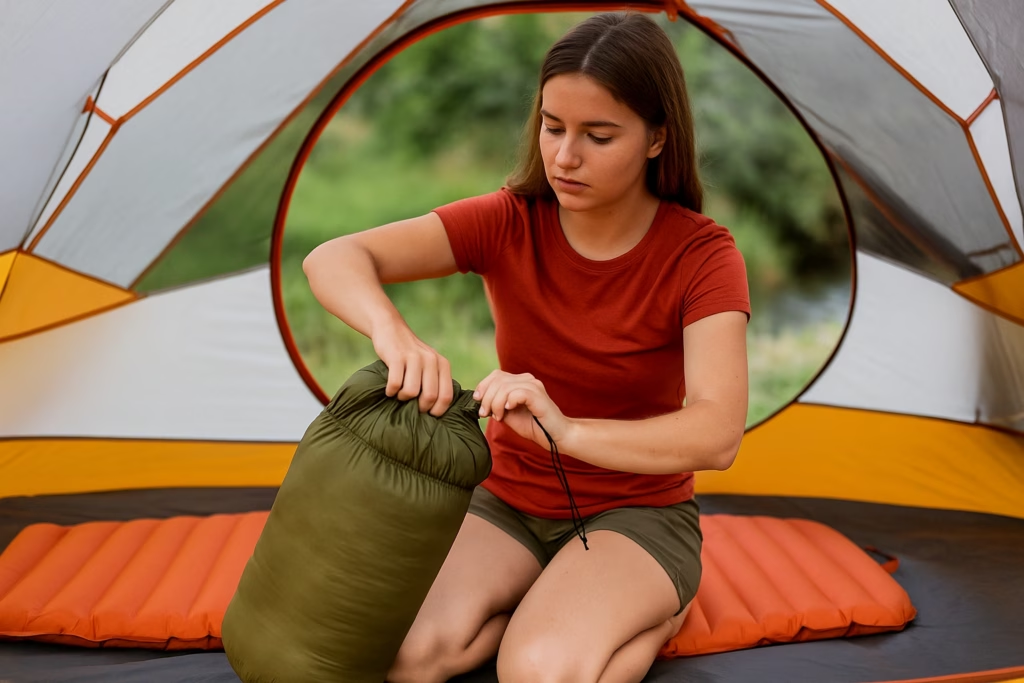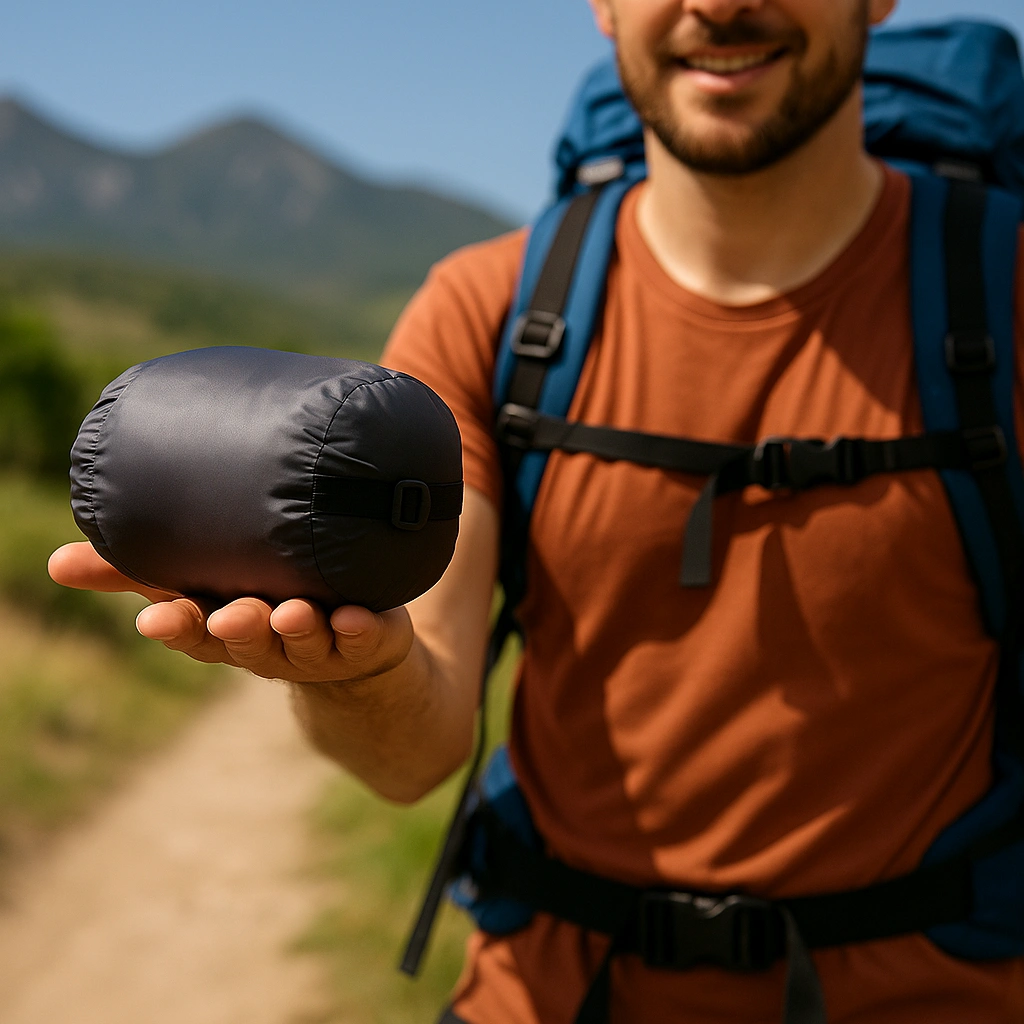
Sleeping bags, the correct one, is essential for a warm, safe, and restorative night outdoors—no matter the season. Whether you’re backpacking through summer heat or camping in sub-zero alpine conditions, the right bag can make all the difference in your trail experience. This guide walks you through the key features and considerations for selecting a sleeping bag that fits your body, climate, and adventure style.
We’ll break down the most important factors, including temperature ratings—so you can match your bag to expected nighttime lows. Before you head out, check the forecast before you pack. You’ll also learn the pros and cons of insulation types, from ultralight down for weight-conscious hikers to synthetic options that perform well in wet conditions. Not sure whether to choose a mummy, semi-rectangular, or quilt-style sleeping bags? We’ll help you understand how each shape affects warmth, packability, and comfort.
This page also covers gender-specific and youth sleeping bags, explaining how features like narrower shoulders or extra foot insulation can enhance sleep quality. Plus, we’ll explore the benefits of sleeping bag liners—a simple add-on that can boost warmth, improve hygiene, and extend the life of your gear.
Whether you’re a beginner planning your first overnight hike or a seasoned trekker refining your sleep system, this guide is designed to help you choose gear that supports your goals and keeps you comfortable all night long. Sleep plays a crucial role in recovery, energy, and safety on the trail—let us help you select the sleeping bag that works with your backcountry routine, not against it.
1. Best Sleeping Bags for Summer and Hot-Weather Camping
When temperatures rise and the nights stay warm, choosing the right sleeping bag becomes less about maximum warmth and more about breathability, packability, and comfort. Summer sleeping bags are designed to keep you cool and dry while still offering enough coverage to protect against bugs, breezes, and fluctuating overnight temps.
Temperature Ratings of Sleeping Bags Matter—Even in Summer
Look for sleeping bags with a temperature rating between 35°F and 50°F, which are ideal for warm-weather camping. Avoid heavy insulation designed for cold climates, as it can lead to overheating and restless sleep. Some summer bags even come with zipper vents or convertible footboxes for extra airflow on humid nights.
Material and Breathability
Choose a sleeping bag made from lightweight, breathable fabrics that wick moisture away from your skin. Nylon and polyester shells with soft linings are common, but make sure the material allows heat and humidity to escape. Some bags feature mesh panels or cotton-blend liners to increase ventilation.
Shape and Design Considerations of Sleeping Bags
Unlike mummy bags, which are built to retain heat, rectangular or semi-rectangular summer bags offer more room to move and better airflow. Some models fully unzip into a blanket or quilt, making them perfect for camping in cabins, hammocks, or mild overnight conditions.
Ultralight Options for Backpackers
If you’re thru-hiking or backpacking in warm weather, look for an ultralight summer sleeping bag or quilt. These models often weigh under 2 pounds, compress down small, and pair well with a sleeping pad for insulation beneath you.
Bonus Features for Warm-Weather Comfort
Features like zippered stash pockets, pillow sleeves, and moisture-resistant treatments can enhance comfort in humid or coastal environments. And don’t forget a sleeping bag liner—it adds versatility and helps keep your bag clean in sweaty conditions.
The right summer sleeping bag balances cool comfort, packability, and versatility—so you sleep better, recover faster, and wake up ready to hit the trail.
2. Four-Season Sleeping Bags: Stay Warm in Cold Weather and Alpine Conditions
When temperatures plummet and conditions turn harsh, a four-season sleeping bag becomes your most important piece of gear. Whether you’re winter camping, snowshoeing, or tackling alpine terrain, these bags are designed to retain body heat, block out wind and moisture, and keep you safe through the coldest nights on the trail.
What Defines Four-Season Sleeping Bags?
Four-season sleeping bags are typically rated for 0°F or below, with some models designed for extreme temperatures down to -20°F or colder. Look for bags that meet EN or ISO temperature rating standards, which give a more consistent benchmark for performance. A true four-season bag should offer both thermal efficiency and weather resistance.
Insulation Matters: Down vs. Synthetic Sleeping Bags
For cold-weather use, high-fill-power down insulation offers the best warmth-to-weight ratio and compressibility. However, it must stay dry to perform well. If you’re expecting wet snow, condensation, or rain exposure, a synthetic-insulated bag may be safer—though heavier and bulkier. Some premium bags combine both with hybrid insulation zones.
Mummy Shape and Hooded Designs
Four-season bags almost always feature a mummy shape to reduce dead air space and trap heat more efficiently. Look for bags with adjustable hoods, draft collars, and zipper baffles—all designed to prevent cold spots and retain warmth through the night.
Shell Materials and Moisture Protection
In winter or alpine conditions, your bag’s outer fabric matters. Choose water-resistant, windproof shells made from ripstop nylon or similar durable materials. Some models feature a DWR (durable water repellent) coating or come with a built-in vapor barrier to prevent internal condensation from compromising insulation.
Weight vs. Warmth Trade-Offs
Four-season bags are naturally heavier and bulkier, but advancements in ultralight materials have made cold-weather options more manageable. Look for compression sacks, ultralight down fill, and efficient packing techniques to reduce bulk in your backpack.
Whether you’re planning a winter backpacking trip or climbing into high-altitude terrain, the right four-season sleeping bag keeps you warm, dry, and safe when conditions demand the most from your gear.
3. How to Choose a Sleeping Bag That Fits: Options for Women, Men, and Kids
A well-fitting sleeping bag isn’t just about comfort—it directly affects how well you sleep and how warm you stay through the night. While most standard bags are labeled “unisex,” choosing a sleeping bag that’s properly tailored to your body type—whether for men, women, or kids—can significantly improve warmth retention, weight efficiency, and overall performance on the trail.
Why Fit Matters in a Sleeping Bag
If your sleeping bag is too roomy, it creates cold air pockets your body has to heat. Too snug, and you’ll feel restricted—especially in your shoulders, hips, or feet. The right fit ensures that insulation is working efficiently without sacrificing comfort or mobility.
Women’s Sleeping Bags: Tailored for Warmth and Comfort
Women-specific bags typically feature narrower shoulders, wider hips, and extra insulation in the footbox and core areas. These adjustments help account for different heat distribution and improve warmth-to-weight efficiency. Some women’s bags also include shorter lengths to reduce cold air space at the feet.
Men’s and Unisex Sleeping Bags: Standard Fit and Range
Men’s or unisex bags generally offer a longer, more rectangular cut, accommodating broader shoulders and taller frames. They often weigh slightly less than women’s bags due to insulation distribution but may not be as thermally efficient for some body types. Taller hikers should check maximum height recommendations—usually 6’0” or 6’6” models are available.
Sleeping Bags for Kids: Lightweight, Snug, and Safe
Youth sleeping bags are designed for smaller frames, minimizing excess interior space to help children retain heat more effectively. Many models are lighter, easier to compress, and include safety features like shorter zipper lengths or no-cinch cords to reduce hazards for younger campers.
Choosing the Right Length and Shape
Always check the manufacturer’s sizing guide. You want a snug but not restrictive fit, with just enough room to move and layer if needed. Whether it’s a mummy, rectangular, or hybrid design, your sleeping bag should feel like a natural extension of your sleep system—not a one-size-fits-all compromise.
4. Sleeping Bag Temperature Ratings: How to Pick the Right Bag for Any Season
Understanding sleeping bag temperature ratings is essential to choosing the right bag for your adventure. Whether you’re camping on a mild summer night or braving near-freezing alpine conditions, selecting the correct temperature rating helps ensure a safe, comfortable night’s sleep—without overheating or shivering.
What Temperature Ratings Actually Mean
Most reputable sleeping bags are tested using EN (European Norm) or ISO (International Standards Organization) guidelines. These ratings offer three benchmarks:
Comfort Rating – the lowest temp at which a cold sleeper stays comfortable.
Limit Rating – the lowest temp for a warm sleeper to sleep without discomfort.
Extreme Rating – the survival threshold—not recommended for routine use.
When in doubt, choose your bag based on the comfort rating, especially if you’re unsure how your body handles cold.
Match Sleeping Bags to Your Environment
For summer and warm-weather camping, look for bags rated 35°F to 50°F (1.5°C to 10°C). For three-season use, choose a bag rated around 20°F to 32°F (-6°C to 0°C). Winter and alpine conditions demand bags rated 0°F (-18°C) or below, with draft collars and hoods for added heat retention.
Consider Personal Factors Too
Are you a cold sleeper? Do you layer up at night or sleep in minimal clothing? Factors like metabolism, sleeping pad R-value, wind exposure, and humidity all affect how warm you feel in your bag. When possible, err on the warmer side—you can always unzip for ventilation.
Layering for Flexibility
To boost versatility, consider adding a sleeping bag liner. Liners can increase warmth by 5–15°F, improve cleanliness, and add comfort without upgrading to a heavier bag.
Choosing the right temperature rating isn’t just about matching numbers—it’s about anticipating real-world conditions and understanding your body. With the right bag, you’ll sleep soundly and safely, no matter what the forecast says.
5. Down vs. Synthetic Sleeping Bags: Which Insulation Is Right for You?
When it comes to sleeping bag insulation, the choice between down and synthetic fill is one of the most important decisions a hiker can make. Each material has distinct advantages depending on your climate, budget, and backpacking style. Understanding the trade-offs can help you choose a bag that performs reliably when you need it most.
Down Insulation: Lightweight Warmth for Dry Conditions
Down—made from the soft under-feathers of ducks or geese—is prized for its exceptional warmth-to-weight ratio and compressibility. Ideal for cold, dry conditions, down sleeping bags are perfect for backpackers seeking to reduce bulk and weight. Look for fill power ratings (typically 600 to 900)—the higher the number, the warmer and more compressible the insulation.
However, down has one major drawback: it loses insulating power when wet. If you’re hiking in damp climates or expect condensation in your shelter, make sure your bag has a DWR (durable water repellent) shell or hydrophobic down treatment for added protection.
Synthetic Insulation: Reliable Performance in Wet Conditions
Synthetic fill—often made from polyester fibers—is designed to retain warmth even when wet and dry quickly. It’s typically more affordable than down and easier to care for, making it a great choice for wet environments, casual campers, or those new to backcountry gear.
The trade-off is weight and bulk: synthetic bags tend to be heavier and less compressible than down, which can matter on longer treks or when space is limited in your pack.
Which Should You Choose?
Choose down if you prioritize ultralight packing, warmth efficiency, and compact gear—especially in dry or cold climates.
Opt for synthetic if you expect moisture, variable weather, or want lower-cost, low-maintenance gear.
Some hikers even carry both, depending on the season or destination. Either way, selecting the right insulation means better sleep, safer nights, and a pack that works with—not against—your adventure.
6. Ultralight Sleeping Bags for Backpackers: Maximize Performance, Minimize Weight
For backpackers focused on speed, distance, and efficiency, an ultralight sleeping bag is a game-changer. By minimizing pack weight without compromising warmth, ultralight bags help you cover more ground with less fatigue—especially important on thru-hikes or multi-day treks where every ounce counts.
What Qualifies as an Ultralight Sleeping Bag?
Ultralight sleeping bags typically weigh under 2 pounds (0.9 kg) and compress down to the size of a small loaf of bread. They achieve this by using premium materials, such as high-fill-power down (800+), minimalist designs, and often narrower cuts to reduce bulk and excess fabric.
Many ultralight options also come in the form of quilts, which remove the underside insulation (often compressed and ineffective when laid on) and instead pair with a high-R-value sleeping pad for bottom warmth. Quilts are popular among minimalist and ultralight backpackers for their versatility and packability.
Balancing Weight with Warmth and Safety
While shaving weight is important, so is staying warm. Make sure your ultralight sleeping bag or quilt still meets the temperature rating appropriate for your trip. A bag that’s too light for the conditions could lead to poor sleep—or worse, hypothermia. Consider adding a sleeping bag liner to boost warmth without much extra weight.
Popular Features and Trade-Offs
Ultralight sleeping bags may lack some of the features found in heavier models—such as full-length zippers, draft collars, or hoods. Still, many offer half-zips, cinch cords, and footbox vents for breathability and comfort. If you prioritize packability and speed, these trade-offs are often worth it.
Who Are Ultralight Bags Best For?
These bags are ideal for thru-hikers, fastpackers, solo adventurers, and anyone trekking long distances where gear weight directly impacts performance. With the right planning and sleep system pairing, ultralight bags help you hike farther, sleep soundly, and keep your pack lean and trail-ready.
Final Thoughts: Choosing the Right Sleeping Bag for Your Adventure
The right sleeping bag can make the difference between a sleepless night and a restful recovery on the trail. Whether you’re heading out for a summer overnight or preparing for alpine conditions, understanding your needs—and the gear that meets them—is essential.
From lightweight summer bags to four-season cold-weather systems, your choice should be based on the climate, terrain, trip length, and personal comfort preferences. Consider your insulation options—down for compressibility and warmth, synthetic for wet-weather reliability—and always pay attention to temperature ratings and fit.
Don’t overlook features like shape, weight, ventilation, and packability. The perfect bag for a solo backpacking trip may not be ideal for family camping or high-altitude adventures. And if you’re an ultralight hiker, quilts or streamlined mummy bags can help cut ounces without sacrificing sleep.
At Hiking Equipped, we believe that a good night’s rest is part of safe, enjoyable hiking. Use this guide to compare styles, evaluate insulation types, and choose the bag that supports your trail goals. When your sleeping bag fits your needs, your pack gets lighter, your nights get warmer, and your hikes feel better from start to finish.
Ready to gear up? Explore our Sleeping Bag Types Comparison Chart below.
🏕️ Sleeping Bag Types Comparison Chart
| Sleeping Bag Type | Best For | Temperature Range | Weight | Pros | Cons |
|---|---|---|---|---|---|
| Summer Sleeping Bags | Warm-weather camping, car camping | 35°F – 50°F (1.5°C–10°C) | Light (1–2 lbs) | Breathable, lightweight, compact, often affordable | Not suitable for cool or alpine conditions |
| Three-Season Sleeping Bags | Spring, summer, fall hiking | 20°F – 32°F (-6°C–0°C) | Medium (2–3 lbs) | Versatile, good warmth-to-weight ratio | Too warm for hot nights, not warm enough for deep winter |
| Four-Season Sleeping Bags | Winter hiking, alpine camping | 0°F or lower (-18°C or less) | Heavy (3–5+ lbs) | Maximum warmth, draft protection, mummy fit with hood | Bulky, expensive, overkill for warm climates |
| Ultralight Sleeping Bags | Thru-hiking, long-distance backpacking | 20°F – 40°F (-6°C–4°C) | Ultra-light (<2 lbs) | Compact, efficient, great for weight savings | Minimal features, less warmth retention in cold or wet conditions |
| Down-Insulated Bags | Dry climates, cold-weather adventures | Varies by fill power | Light (1.5–3 lbs) | Excellent warmth-to-weight ratio, compressible | Loses insulation when wet unless treated |
| Synthetic-Insulated Bags | Wet climates, budget camping | Varies by insulation type | Medium to heavy | Insulates when wet, dries quickly, budget-friendly | Bulkier, heavier, less compressible than down |
| Women’s Specific Bags | Female body shape and heat distribution | Varies | Similar to unisex | Extra insulation at feet and torso, better fit | May not fit all body types |
| Youth/Kids Bags | Children’s camping and overnight trips | 30°F – 50°F (-1°C–10°C) | Light (<2 lbs) | Proper sizing, safety features, easy to use | Must be upgraded as the child grows |