
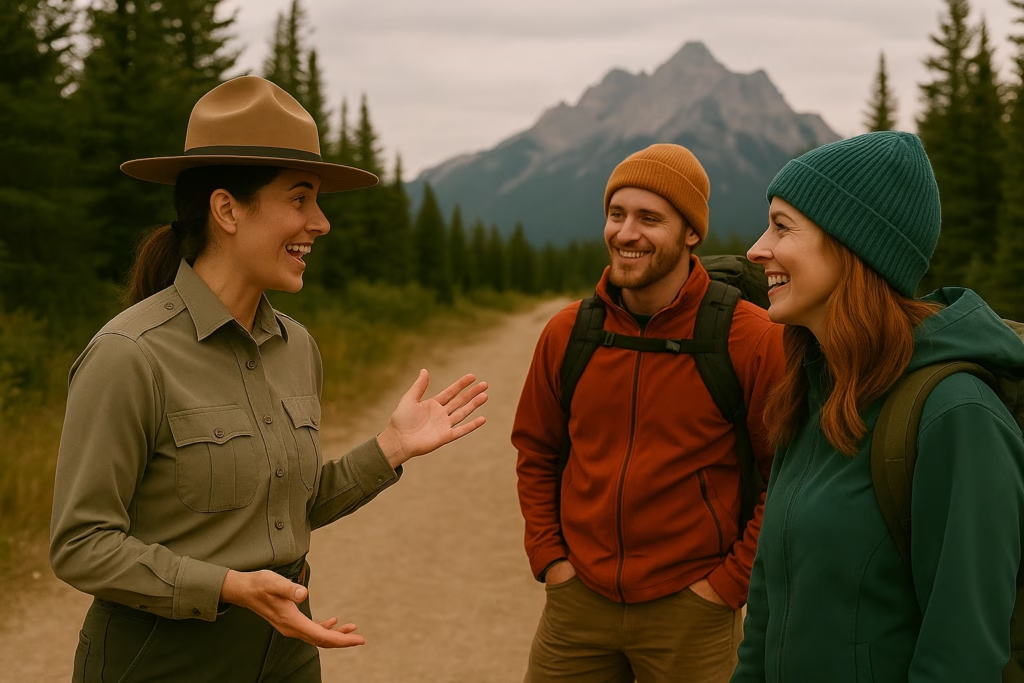
For international hikers, Hiking Canada Safety & Security is just as important as packing the right boots or maps. Canada is one of the safest hiking destinations, but wilderness hazards and remote conditions still require preparation. Knowing how law enforcement works, how to stay secure on the trail, and what resources are available ensures a safe, enjoyable adventure.
➡ Back to: Hiking Canada → Practical Travel Logistics → Police, Safety & Security
Law Enforcement & Trail Security in Canada
Canada’s law enforcement includes the Royal Canadian Mounted Police (RCMP), provincial police, and municipal forces.
RCMP: Covers most rural and backcountry regions and often responds in national parks and remote areas.
Provincial & Municipal Police: Serve cities and towns; you’ll typically interact with them in urban areas.
👉 Trail Tip: In case of emergencies, always dial 911 — the operator connects you to police, fire, or medical help.
Hiking Police Safety Security Considerations
Canada’s low crime rate makes it safe for visitors, but hikers must prepare for natural and logistical challenges.
Wildlife Hazards: Bears, moose, and cougars are present in some regions. Carry bear spray and know how to store food properly.
Environmental Risks: Hypothermia, fast-changing weather, and river crossings pose greater danger than crime.
Personal Security: While violent crime is rare, unattended vehicles at trailheads can be targets for petty theft. Keep valuables out of sight.
➡ Read more: Trail Safety & Wilderness Preparedness.
Emergency Communication for Hikers in Canada
Cell coverage drops quickly once you leave highways and towns.
Satellite Communicators (e.g., Garmin inReach): Strongly recommended for messages and SOS when out of service.
Ranger Stations / Emergency Phones: Present in some national parks.
911 Access: Works whenever you have a signal; operators dispatch the right service.
👉 Trail Tip: Register your trip with park offices when possible, especially for multi-day backcountry hikes.
Safety & Security Culture on Canadian Trails
Community Trust: Police and park staff are approachable and used to assisting visitors.
Low Crime Rates: Trailheads can see occasional petty theft—keep valuables out of sight.
Preparedness Focus: Real risks are weather, terrain, wildlife, and remoteness, not people.
Conclusion
Prioritizing Hiking Canada Safety & Security means planning for wilderness realities. With clear trip plans, reliable communication, and awareness of local rules, your Canadian adventure will be safe and memorable. Respect the land, stay prepared, and rely on established emergency systems when needed.