
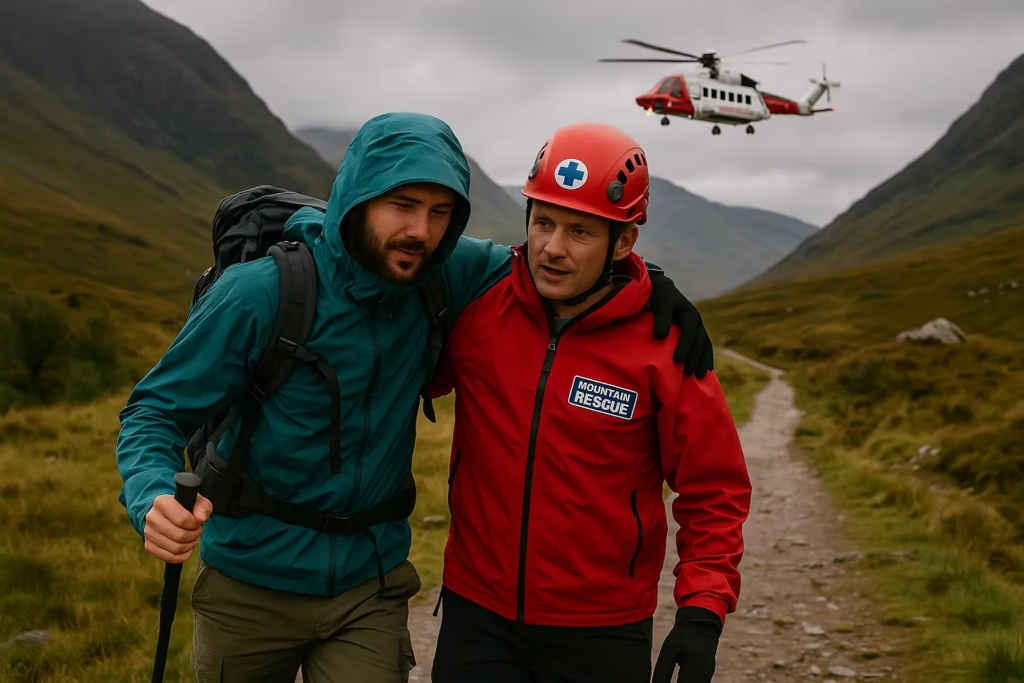
Hiking abroad offers incredible rewards, but it also comes with new safety considerations. Safety & security for international hikers vary widely by country, from laws and rescue services to trail-specific risks. Knowing how to stay safe — and how to get help if needed — ensures your trip remains focused on adventure instead of emergencies.
From contacting mountain rescue in Scotland to respecting trail rules in Spain or understanding wildlife risks in Canada, international hikers need a clear safety plan.
➡ Back to: Hiking Scotland → Practical Travel Logistics → Police, Safety & Security
Why Safety & Security Matter for International Hikers
- Unfamiliar Laws – Each country has different rules for camping, alcohol, and conduct on trails.
- Emergency Access – Police and rescue services differ in response times and availability.
- Personal Safety – Remote trails pose risks of injury, theft, or disorientation.
- Peace of Mind – Preparing for safety reduces anxiety and builds confidence abroad.
Understanding Police & Rescue Services
Knowing how police and rescue systems work is essential to safety & security for international hikers.
- Scotland & UK – Dial 999 or 112 for emergencies; mountain rescue is volunteer-based but highly skilled.
- Spain – Dial 112; Guardia Civil oversees many mountain rescues.
- Canada – Dial 911; remote rescues may involve helicopters or park rangers.
👉 Always know the local emergency number before you set out.
Practical Safety Tips for International Hikers on Trails
Practical safety & security tips for international hikers include:
- Travel in Groups When Possible – Solo hiking is rewarding but adds risk.
- Leave an Itinerary – Share your route with someone back home or your accommodation.
- Secure Your Gear – In hostels, use lockers or cable locks for packs.
- Wildlife Awareness – Learn about hazards (bears in Canada, midges in Scotland).
- Cultural Safety – Respect customs and avoid risky behavior (e.g., drinking on trails).
Personal Safety & Security for International Hikers in Towns & Transit
Safety & security for international hikers isn’t limited to trails — it applies in towns and transit, too.
- Watch Valuables – Pickpocketing is common in tourist-heavy cities, even if trails are safe.
- Avoid Isolated Areas at Night – Especially in unfamiliar towns.
- Use Licensed Transport – Taxis, buses, and shuttles reduce the risk of scams or unsafe rides.
Real-World Example: Hiking in Scotland
In Scotland, hikers on the West Highland Way and Ben Nevis benefit from excellent volunteer mountain rescue teams. However, police resources are limited in rural areas, making self-reliance critical. Always carry a map, compass, and communication device like a Garmin inReach. Respect local laws such as the Scottish Outdoor Access Code, which allows wild camping but requires responsible behavior.
Conclusion
Safety & security for international hikers may feel overwhelming, but preparation keeps your adventure focused on hiking, not hazards. Learn the local emergency numbers, respect cultural laws, and take practical steps to safeguard yourself and your gear.
As an international hiker, safety is part of your responsibility — both to yourself and as a respectful guest in another country. With preparation, you’ll enjoy peace of mind from trailhead to summit.