
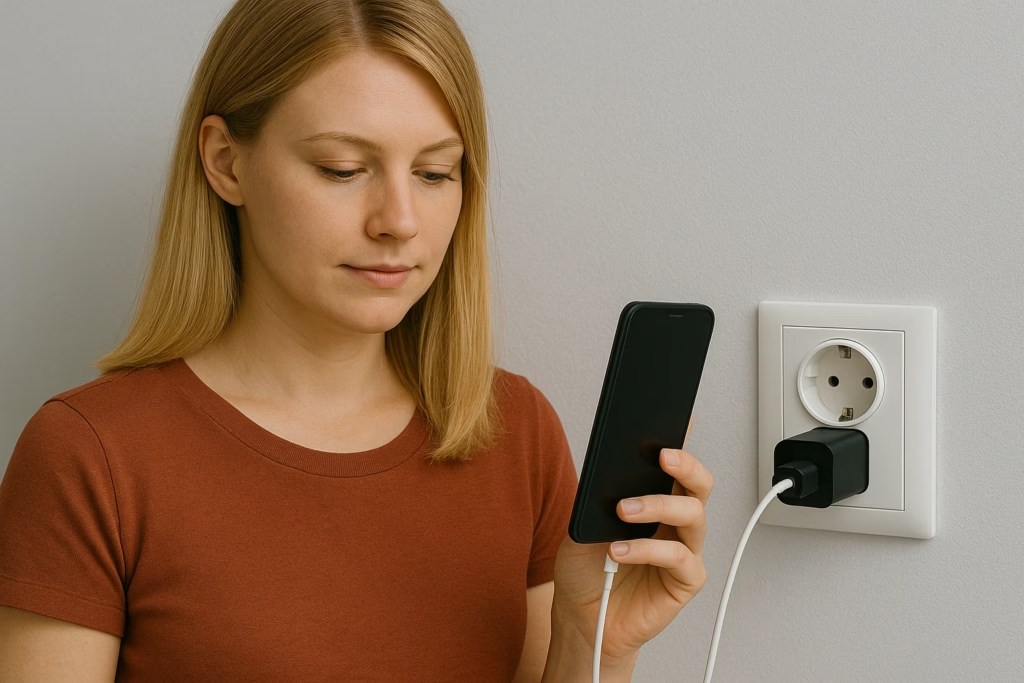
Electricity & device charging matters when you’re hiking abroad. Keeping your devices charged isn’t just a convenience — it’s often a safety requirement. GPS units, headlamps, phones, and satellite communicators all play a vital role in navigation and emergency preparedness. But every country has different electricity standards, plug types, and charging availability.
Whether you’re in a hostel on Scotland’s West Highland Way, a hut in Spain’s Pyrenees, or a backcountry lodge in Canada, knowing how to adapt your devices ensures you’re never left powerless.
➡ Back to: Hiking Scotland → Practical Travel Logistics → Electricity & Internet Access
Why Electricity & Device Charging Matters for International Hikers
Navigation – GPS, maps, and compass apps drain batteries quickly on long treks.
Safety – Devices like Garmin inReach or emergency phones need reliable charging.
Comfort – Cameras, power banks, and headlamps all require regular recharging.
Cultural Difference – Power standards vary, and the wrong adapter could leave you stranded.
Understanding Plug Types & Voltage
Every country uses different plug shapes and voltage cycles.
United Kingdom (Scotland & Great Britain) – Plug type G, 230V/50Hz.
Europe (Spain, Ireland) – Plug type C/E/F, 230V/50Hz.
North America (Canada, USA) – Plug type A/B, 120V/60Hz.
👉 Always check your device specifications. Most modern electronics (phones, cameras, laptops) accept dual voltage (100–240V, 50/60Hz), but single-voltage devices may need a converter.
Best Practices for Charging Abroad
Carry a Universal Adapter – One compact adapter with multiple plug types covers most countries.
Bring a Power Bank – Choose one with enough capacity for multiple device charges (20,000mAh+).
Solar Chargers for Trails – Useful in remote areas with limited electricity, though weather-dependent.
Charge Overnight – Outlets may be limited in huts or hostels; charge whenever possible.
Use a Multi-Port Charger – A single wall outlet can power multiple devices at once.
Safety & Security Tips
Avoid Overloading – Don’t plug too many devices into a single converter.
Beware of Cheap Adapters – Low-quality adapters may overheat or fail.
Protect Against Surges – Use surge-protected adapters in areas with unstable grids.
Keep Devices Secure – In hostels or shared huts, don’t leave electronics unattended.
Real-World Example: Hiking in Scotland
On the West Highland Way, many hikers rely on hostels, B&Bs, or campsites where outlets are limited. Carrying a UK type G adapter, a power bank, and a multi-port charger ensures you can top up your phone, GPS, and headlamp overnight. Weather on the trail can limit solar charging, so having backup stored power is essential.
Electricity & Device Charging Tips Conclusion
Electricity abroad may seem simple, but for international hikers it’s a critical piece of preparation. By packing the right adapters, understanding voltage standards, and carrying portable charging solutions, you’ll keep your devices — and yourself — powered and safe.
So, before you set off for Scotland, Spain, or Canada, take time to check your plugs, plan your charging strategy, and prepare for life both on and off the trail.