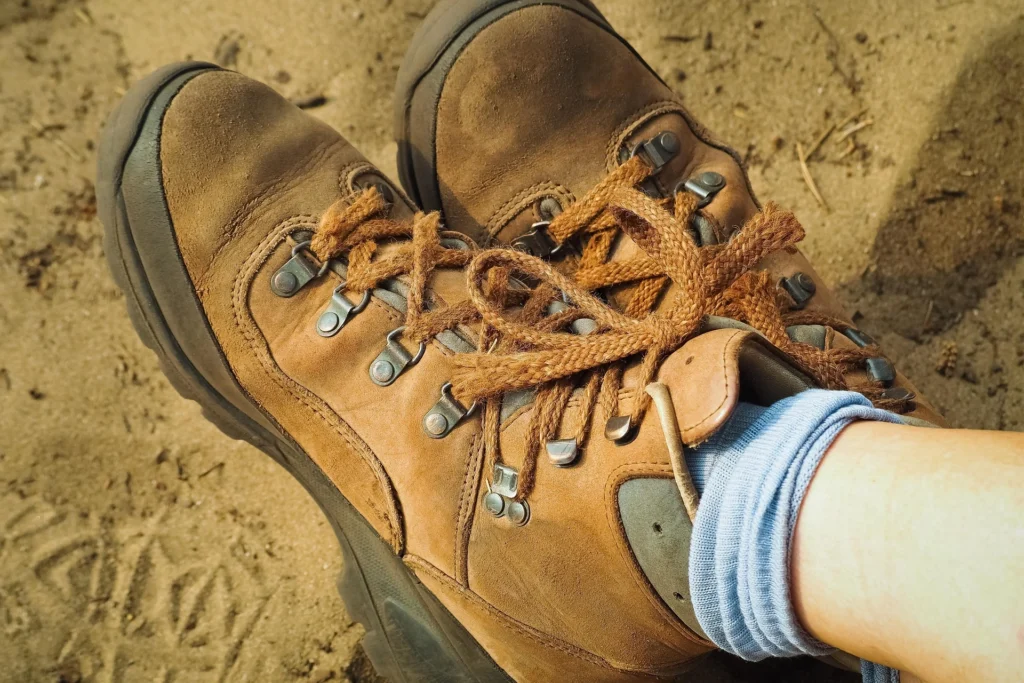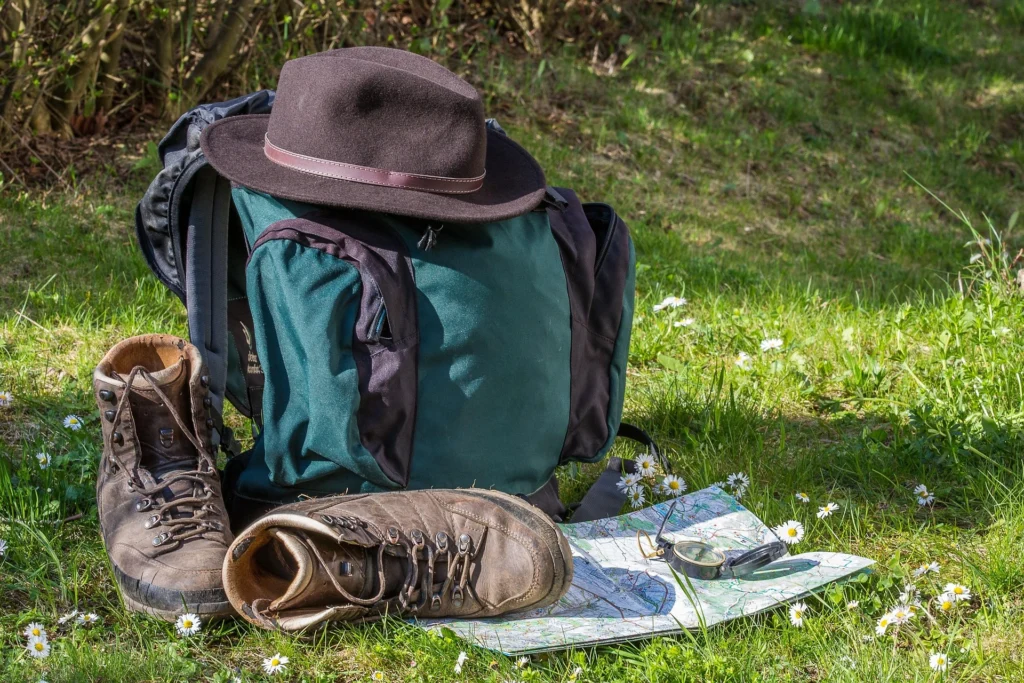
When planning any hike, one of the most important gear choices you’ll make is your footwear. The right boots, shoes, or trail runners can mean the difference between a smooth, confident trek and a painful, injury-prone experience. At Hiking Equipped, our blog page on the Best Hiking Footwear by Terrain helps you match your footwear to the unique demands of your trail—whether you’re navigating muddy forest paths, rocky alpine ridges, or sunbaked desert switchbacks.
For rugged or uneven terrain, especially when carrying a heavier pack, high-cut hiking boots offer superior ankle support, durable construction, and all-day protection. On moderate, dry trails, low-cut hiking shoes provide lightweight comfort and better flexibility—perfect for day hikes or fast-moving treks. For well-maintained routes or hot-weather hiking, many adventurers choose trail runners for their breathability, responsiveness, and speed-oriented design.
Beyond the style, factors like fit, outsole grip, cushioning, breathability, and waterproofing all influence how your footwear performs. A well-fitted hiking shoe reduces the risk of blisters, supports natural stride alignment, and helps prevent fatigue and joint strain over long distances.
This guide will walk you through how to choose footwear based on terrain type, hike duration, weather, and personal preference—so you can stay comfortable and protected with every step. In short, the Best Hiking Footwear by Terrain depends on matching features to your trail. With the right footwear underfoot, you’ll hike farther, feel stronger, and move more confidently—no matter where the trail takes you. For overall preparedness, see our Trail Safety & First Aid basics.
Hiking Boots vs. Shoes vs. Trail Runners: Which Style Is Right for Your Trail?
Choosing between hiking boots and trail runners is one of the most important gear decisions hikers face. Each has its own advantages and is best suited for different terrains, weather conditions, and hiking styles. Understanding the key differences can help you choose the Best Hiking Footwear by Terrain for comfort, performance, and safety on the trail.
Hiking boots are built for durability, ankle support, and rugged terrain. Their high-cut designs offer protection from ankle sprains and trail debris, making them ideal for rocky, uneven, or off-trail routes. Most hiking boots are made from full-grain leather or synthetic materials and often feature waterproof membranes like Gore-Tex, which keep your feet dry in wet, muddy, or cold conditions. The stiffer midsoles provide strong load-bearing support, crucial for multi-day hikes with heavy packs. However, boots are generally heavier, take longer to dry, and often require a break-in period to avoid blisters or discomfort.
Trail runners, by contrast, are known for being lightweight, flexible, and breathable. Originally designed for off-road running, they’ve gained popularity among thru-hikers and ultralight backpackers. Trail runners typically have low-cut profiles and mesh uppers that promote airflow and dry quickly—perfect for hot weather or well-maintained trails. Their lighter weight helps reduce fatigue on long hikes, and many models feature aggressive tread patterns for solid grip. While they lack the ankle support of boots, many hikers appreciate their natural feel and agility, especially on established or rolling terrain.
When deciding between the two, consider factors like terrain difficulty, weather, pack weight, and your personal hiking goals. Hiking boots offer unmatched protection for steep, unstable, or cold-weather hikes, while trail runners excel in milder climates and on long-distance trails where speed and comfort matter most. Testing both styles on the surfaces you’ll hike is the simplest way to identify your Best Hiking Footwear by Terrain.
Ultimately, the best hiking footwear is the one that fits your body, trail conditions, and experience level. Try on both types with your hiking socks, walk on varied terrain, and choose the pair that feels most secure and supportive. With the right fit, your footwear won’t just support your feet—it’ll elevate your entire hiking experience.
Footwear for Rugged Trails: Why Ankle Support, Grip, and Protection Matter in Choosing the Right Footwear
When tackling rugged, uneven, or technical trails, the demands on your feet—and your footwear—significantly increase. Rocky paths, steep inclines, loose gravel, roots, and unexpected obstacles can easily lead to slips, twisted ankles, or foot fatigue. That’s why ankle support, outsole grip, and overall protection are essential features when choosing the Best Hiking Footwear by Terrain for tough routes.
Ankle support is one of the most critical elements on rugged trails. High-cut hiking boots offer added stability by limiting ankle roll and supporting ligaments under uneven pressure. This becomes especially important when carrying a heavy backpack, descending steep slopes, or navigating off-trail routes. Even experienced hikers can misstep—ankle coverage gives you a better chance of avoiding injury when balance falters.
Outsole grip—the traction provided by your shoe’s tread pattern and rubber compound—is your first line of defense against slips and falls. Rugged trails demand aggressive lugs, deep treads, and high-friction soles (such as Vibram) to maintain footing on wet rock, loose dirt, or muddy inclines. Trail runners may offer decent grip, but dedicated hiking boots and shoes typically provide more robust traction and superior edge control—often the best hiking footwear by terrain standard for alpine and talus fields. While you’re dialing in traction, also brush up on navigation with a baseplate compass for complex terrain.
Toe and underfoot protection are also vital. Rocks, roots, and trail debris can bruise toes or wear down the soles of lesser footwear. Look for designs with reinforced toe caps, rock plates, and sturdy midsoles that shield your feet from sharp impacts and uneven pressure. These features not only enhance durability but also reduce foot fatigue over long, technical hikes.
Breathability and waterproofing play a role too. Waterproof membranes keep your feet dry when fording streams or hiking through snow or mud—conditions often encountered on rugged backcountry trails. However, balance is key: in warmer climates, breathable materials may be better to prevent moisture buildup inside the boot.
If your hike involves elevation gain, rocky surfaces, or unpredictable terrain, don’t compromise on support or grip. Choosing footwear specifically designed for rugged conditions will keep you safer, more comfortable, and better equipped to tackle whatever the trail throws your way—and aligns with the Best Hiking Footwear by Terrain approach.
Best Hiking Footwear for Day Trips, Weekend Treks, and Thru-Hikes
Not all hikes are created equal—and neither is the footwear you need for them. Whether you’re heading out for a short afternoon loop or committing to a multi-week thru-hike, choosing the right hiking shoes or boots can make a dramatic difference in your comfort, performance, and injury prevention. Let’s break down the best hiking footwear by terrain and trip length.
Choosing the Right Footwear on Day Hikes: Lightweight Comfort for Short Distances
For well-maintained trails or casual nature walks, low-cut hiking shoes or trail runners are typically the best choice. These shoes offer flexibility, breathability, and lightweight cushioning, helping reduce fatigue over short to moderate distances. If your route is dry and smooth with minimal elevation gain, trail runners provide a fast and comfortable option. For slightly rockier terrain, a hiking shoe with a firmer sole and better toe protection might offer extra peace of mind.
Weekend Treks: Stability and Versatility for Multi-Day Hikes
Weekend trips often involve longer miles, heavier packs, and varied conditions. Mid-cut hiking boots or durable hiking shoes strike the right balance between support and agility. You’ll want ankle coverage to reduce injury risk, along with solid grip and underfoot protection for uneven surfaces. Look for footwear with moderate waterproofing, breathable linings, and a roomy toe box for long days on the move. These shoes should be broken in and tested before your trip to avoid mid-hike discomfort.
Thru-Hikes: Long-Term Comfort and Ultralight Efficiency
For hikers tackling multi-week or long-distance trails, weight and durability become top priorities. That’s why many seasoned thru-hikers choose trail runners—they’re lightweight, quick to dry, and easier to replace when worn out. Some may prefer ultralight boots or hybrid models that offer more structure while still keeping pack weight low. Prioritize shoes that match your stride, allow natural foot movement, and hold up over hundreds of miles of wear.
Ultimately, the best hiking footwear depends on your trip length, load, and terrain, but also on your foot shape and preferences. Choose gear that keeps your feet supported and blister-free, and your next hike—whether it’s two hours or two months—will feel a whole lot better.
How to Get the Right Fit: Sizing, Break-In Tips, and Foot Health for Hikers
A great pair of hiking boots or trail shoes means nothing if they don’t fit properly. Footwear that fits well reduces your risk of blisters, hotspots, fatigue, and long-term foot issues. Buying your first pair or upgrading for more serious hikes? Understanding how to achieve the right fit is essential for trail comfort and foot health.
Measure for Fit—Not Just Size
Start by measuring your foot length and width at the end of the day, when feet are slightly swollen—just like they’ll be during a hike. Most hikers benefit from a half-size up from their daily shoes to allow for swelling and thicker hiking socks. Make sure there’s room to wiggle your toes, but your heel should stay secure without slipping.
Try Shoes On with Hiking Socks and Insoles
Always test new footwear with the same socks and insoles you plan to wear on the trail. Cushioned or wool hiking socks affect how your foot sits in the shoe, and aftermarket insoles can alter arch support and volume. Try walking uphill and downhill on an incline (many gear stores offer a ramp for this) to check for sliding or pressure points.
When Choosing the Right Footwear Understand the Break-In Process
Some hiking boots—especially leather models—require a break-in period to soften materials and mold to your feet. Wear them around the house, on short walks, and during training hikes before committing to longer treks. Trail runners usually need less break-in time, but still benefit from several miles of wear before a major outing.
Monitor Your Foot Health on the Trail
During hikes, listen to your feet. If you notice rubbing, stop and address it early with moleskin or blister pads. Trim your toenails short to avoid bruising on descents. Pack extra socks and let your feet breathe at rest stops to reduce moisture buildup.
A properly fitting pair of hiking shoes can make every mile more enjoyable. Taking the time to get the right size, break them in, and care for your feet ensures that you’re not just hiking far—you’re hiking smart.
Waterproof vs. Breathable Hiking Footwear: What to Wear in Wet or Hot Conditions
When choosing hiking footwear, one key decision is whether to prioritize waterproofing or breathability. Both features serve a purpose—but which one you need depends on your hiking environment, weather, and personal comfort. Understanding the trade-offs can help you choose shoes or boots that keep your feet comfortable, dry, and blister-free—the hallmark of selecting the Best Hiking Footwear by Terrain.
Waterproof Footwear: Ideal for Wet, Muddy, or Cold Conditions
Waterproof hiking boots and shoes feature liners like GORE-TEX® or proprietary membranes that block moisture from entering while still allowing some vapor to escape. These are excellent choices for hiking in rainy climates, snow, shallow stream crossings, or muddy trails. They also add warmth in cooler temperatures.
However, waterproof shoes tend to trap moisture from the inside, especially in warm weather or during strenuous hikes. Sweat that doesn’t evaporate can lead to damp socks, hotspots, or blisters—which is why breathability becomes important in hot or dry conditions.
Breathable Footwear: Best for Dry, Warm, or Fast-Paced Hikes
If you’re hiking in arid environments, hot weather, or on well-maintained trails, opt for mesh uppers and ventilated designs. These shoes allow heat and moisture to escape more easily, keeping your feet cooler and reducing the chance of blisters caused by excess sweat.
Breathable trail runners and hiking shoes also tend to dry faster if they do get wet—making them a favorite among thru-hikers and ultralight backpackers who regularly deal with wet feet but prioritize airflow and fast drying over full waterproofing.
Finding the Right Balance When Choosing the Right Footwear
For variable conditions, consider water-resistant footwear or breathable shoes paired with quick-drying socks. In cold, wet conditions, prioritize waterproof protection. In dry, warm areas, breathability reigns supreme. To plan around conditions, check forecasts with our Weather Awareness Guide and dial clothing choices with Layer 101.
Outsoles and Traction: How Soles and Tread Patterns Affect Trail Performance
A hiking shoe’s outsole—the bottom layer that contacts the ground—is one of the most critical yet overlooked components of trail footwear. The traction, tread pattern, and rubber compound all determine how well your shoes grip the terrain beneath you. Whether you’re scrambling over slick rocks, descending loose gravel, or trekking muddy paths, choosing the right outsole design directly impacts stability, safety, and confidence on the trail.
Understanding Tread Patterns for Best Hiking Footwear
The tread, or lug pattern, refers to the raised rubber shapes on the bottom of your shoe. Deep, multi-directional lugs provide better grip on soft terrain like dirt, mud, and snow, while closely spaced, shallower lugs are ideal for hard-packed trails or dry rock. Wide-spaced lugs shed mud more easily, helping prevent slips in wet conditions.
Trail runners often have a lower-profile tread for better ground feel and speed, while hiking boots typically feature heavier-duty lugs that bite into terrain and support heavier loads.
Rubber Compounds and Grip
Outsoles are usually made of rubber blends that balance durability with stickiness. Sticky rubber compounds, like those found in approach shoes or premium trail footwear, offer better grip on rock but may wear out faster. Harder rubber is more durable for high-mileage hikers but may feel slick on wet or uneven terrain. Brands like Vibram® are known for producing high-traction outsoles designed for varied conditions.
Heel Brakes and Rock Plates
Look for outsoles with defined heel brakes—angled areas that improve control during descents. Some hiking shoes also include rock plates, which are thin, rigid inserts that shield your foot from sharp objects while preserving flexibility. These features are especially useful on rocky or alpine terrain.
Match Your Sole to the Trail
No one tread fits all trails. Choose aggressive, grippy soles for rugged backcountry hikes, and go with flatter, more flexible soles for smoother, faster-moving terrain. Paying attention to outsole design can dramatically improve your trail performance, reduce fatigue, and help prevent slips, especially when conditions change mid-hike. For broader preparedness, review our Trail Safety & First Aid basics.
Your outsole is your contact point with the earth—make it count.
✅ Final Thoughts: Choosing the Right Footwear for Your Terrain
Choosing the right hiking footwear is more than a gear decision—it’s the foundation of a safe, enjoyable, and confident trail experience. From deciding between boots, shoes, or trail runners to understanding fit, traction, waterproofing, and durability, your footwear should match your terrain, hiking goals, and personal comfort.
For rugged, uneven, or load-bearing hikes, hiking boots offer support and protection.
For lighter, faster adventures, trail runners or breathable hiking shoes provide speed and flexibility.
Prioritize fit and foot health—blisters and fatigue start with poor sizing or skipped break-in time.
Consider climate and conditions: waterproof for wet, breathable for hot, and grippy soles for technical trails.
Ultimately, the best hiking footwear is the one that disappears underfoot—so you can focus on the views, the rhythm of your steps, and the trail ahead.
🧭 Next Steps:
Before your next adventure, try on multiple styles, walk on varied terrain, and always wear your hiking socks when testing fit. Don’t forget to revisit our other guides on trail nutrition, first aid, and gear essentials to round out your hiking toolkit.
👣 Need help picking the right pair? Check out our recommended gear list and expert reviews to find the best boots, shoes, and trail runners for your next trek.
🥾 Recommended Hiking Footwear Gear List
🔹 Best Hiking Boots – Stability and Support
1. Salomon Quest 4 GTX
⭐ Best for: Rugged terrain, backpacking, ankle support
The Salomon Quest 4 is a favorite among long-distance hikers and backpackers. It features a robust chassis, deep tread for traction, and a comfortable fit with excellent ankle support. Waterproof Gore-Tex lining keeps feet dry in tough conditions.
✅ Great for steep or rocky trails with heavy packs.
2. Lowa Renegade GTX Mid
⭐ Best for: All-around comfort and durability
A classic leather hiking boot that balances support and out-of-the-box comfort. The Renegade is waterproof, well-cushioned, and ideal for day hikes or weekend treks with variable terrain.
✅ Trusted performance with a traditional leather feel.
🔹 Best Hiking Shoes – Versatile and Lightweight
3. Merrell Moab 3 (Waterproof or Ventilator)
⭐ Best for: Beginners, day hikes, moderate trails
One of the most popular hiking shoes on the market, the Moab 3 offers a breathable mesh upper, Vibram outsole, and a comfy fit. Choose the waterproof version for wet trails, or the ventilated model for hot days.
✅ Affordable, comfortable, and highly versatile.
4. Oboz Sawtooth X Low
⭐ Best for: Rugged trails without a boot
Oboz blends durability and stability in a low-cut shoe with serious grip and toe protection. The fit is snug and secure, with a supportive midsole.
✅ Perfect for hikers who want trail-ready features without the bulk of boots.
🔹 Best Trail Runners – Speed, Breathability, and Flexibility
5. Altra Lone Peak 8
⭐ Best for: Thru-hikers, ultralight backpackers
With a zero-drop platform, wide toe box, and airy mesh upper, the Lone Peak 8 is built for comfort over distance. The MaxTrac outsole gives solid grip while the lightweight design keeps feet fresh.
✅ Ideal for long trails, dry climates, and minimalist hikers.
6. HOKA Speedgoat 6
⭐ Best for: Mountain trails, mixed terrain
The Speedgoat offers plush cushioning, aggressive traction, and rockered movement that excels in mountainous conditions. It’s a favorite among fastpackers and day hikers alike.
✅ A soft yet stable ride over rugged terrain.
🔹 Hiking Socks and Insoles (Bonus Essentials)
7. Darn Tough Hiker Micro Crew Cushion Socks
⭐ Best for: Blister prevention and durability
Merino wool blend keeps feet dry and comfortable. Lifetime guarantee and seamless construction make them a go-to choice for every trail.
8. Superfeet Trailblazer Comfort Insoles
⭐ Best for: Arch support and long-distance comfort
These insoles improve fit, reduce fatigue, and help prevent foot pain on uneven terrain. Ideal for anyone logging serious miles.
“As an Amazon Associate, I earn from qualifying purchases.”
Hike smart. Hike supported. Hike Equipped.