
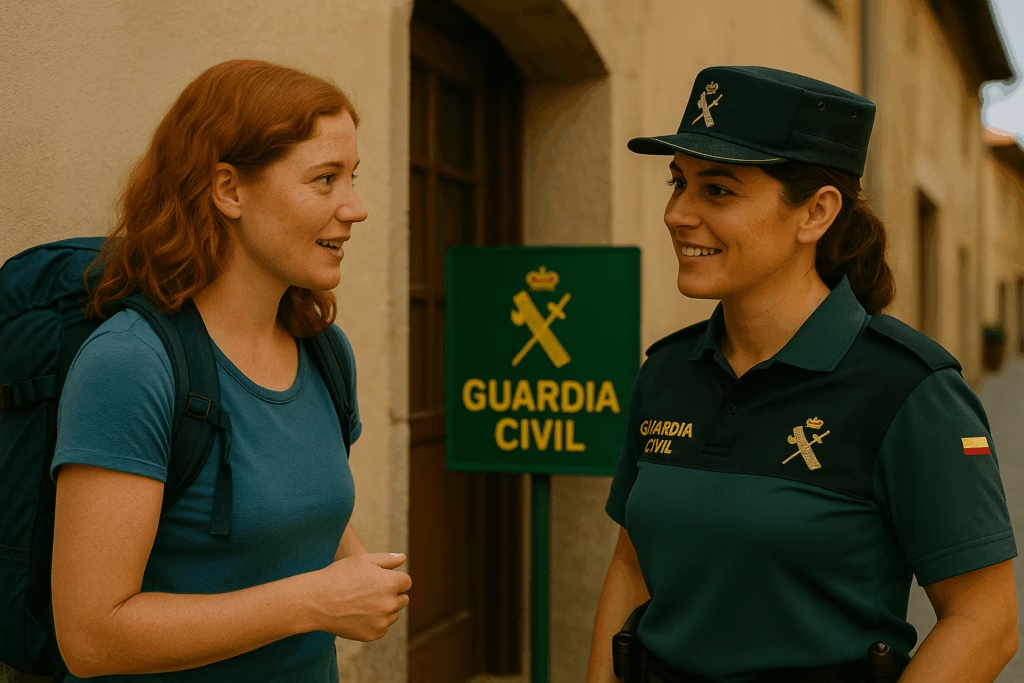
Spain is widely regarded as one of the safest countries in Europe for travelers, including hikers exploring rural trails, historic routes, and small villages. While the country maintains a very low violent-crime rate, it’s still important to stay aware — especially in large cities, busy transit hubs, or popular tourist corridors where petty theft can occur. Police, safety, and security tips for international hikers in Spain will guide the hiker through their journey.
For hikers heading into the countryside, the Guardia Civil, Spain’s rural police force, provides a strong, visible presence and is known for assisting travelers along major routes like the Camino de Santiago. With a few smart habits and situational awareness, you can hike Spain’s landscapes with confidence and peace of mind.
➡ Back to: Hiking Spain → Practical Travel Logistics → Police, Safety & Security
Who Handles Public Safety in Spain?
Spain has multiple law-enforcement bodies, each with specific roles:
Guardia Civil
Handles rural areas, villages, national parks, and the Camino
Known for assisting hikers, pilgrims, and travelers
Easily recognized by their green uniforms and patrol vehicles
Policía Nacional
Works in cities and larger towns
Handles passports, major incidents, and tourist areas
Policía Local
Municipal police found in towns
Handle traffic, minor incidents, and local regulations
For emergencies, you only need to remember one number:
📞 Dial 112 anywhere in Spain
Operators often speak English.
Safety Tips for Hikers in Rural Areas
Spain’s hiking regions — including the Pyrenees, Picos de Europa, Sierra Nevada, and the Camino network — are generally peaceful and safe, but still require preparation.
Stay on marked trails
GR (red/white), PR (yellow/white), and Camino arrows help keep hikers oriented.
Check local weather
Mountain weather can change quickly; fog and storms are common in northern Spain.
Tell someone your route
A hotel, albergue, or fellow hiker can note your planned destination.
Carry communication tools
Phone + power bank + optional satellite communicator for remote routes.
Respect wildlife & livestock
Spain’s rural farming areas often have free-roaming sheep, cows, and horses — move slowly and give space.
Safety Tips for Cities & Tourist Zones
Cities like Barcelona, Madrid, Seville, Bilbao, Málaga, and major Camino stops are safe, but crowded tourist areas can attract pickpockets.
Avoid Common Scams
Distraction techniques (asking for signatures, maps, staged bumps)
Overfriendly strangers offering help with ATMs
Groups crowding around you in busy metro stations
Protect Your Belongings
Use a zipped bag or money belt
Keep backpacks closed and never hanging off a chair
Place your phone deep inside your pocket, not in a back pocket
Don’t leave valuables charging unattended in albergues
Cash Safety
Carry only what you need for the day
Keep a backup card separate from your wallet
Camino de Santiago Safety Notes
The Camino is incredibly safe, with thousands walking it every year. But a few tips help ensure a smooth journey:
Albergue dorms are safe, but use a small luggage lock for your pack
Walk in daylight — early-morning starts are normal and safe
Beware of dehydration; summer heat in La Rioja and Castilla y León can be intense
Follow waymarked routes — shortcuts often lead onto unsafe roads
The Guardia Civil frequently patrols Camino stretches and is known for helping pilgrims with injuries, lost items, or disorientation.
Security Tips for Personal Items
ID
Carry a photocopy or digital image of your passport; keep the original secure at lodging.
Phones & Cameras
Avoid using phones while walking through crowded city streets.
ATMs
Use bank-attached ATMs rather than freestanding machines.
Night Safety
Rural villages are safe but quiet at night; use a small headlamp when returning to lodging after dinner.
Real-World Example: Safety on the Camino
A hiker walking from Pamplona to Logroño may see Guardia Civil patrol vehicles periodically along the road crossings. In busy cities like Burgos or León, pickpocketing is the most common concern — not violence. By keeping valuables secure and staying alert at bus stations, hikers navigate both rural and urban sections safely.
Police, Safety & Security – Conclusion
Spain offers a safe, welcoming environment for hikers. With strong rural patrols, helpful local police, and a culture that respects outdoor travelers, most hikers experience trouble-free adventures. Staying alert in urban areas, following common sense safety practices, and understanding how to contact help ensures that your journey across Spain remains smooth and enjoyable.
From quiet mountain villages to lively Camino towns, Spain rewards prepared and respectful hikers with peace of mind and unforgettable experiences.