Hiking Weather Safety & Preparedness: Your Complete Year-Round Guide
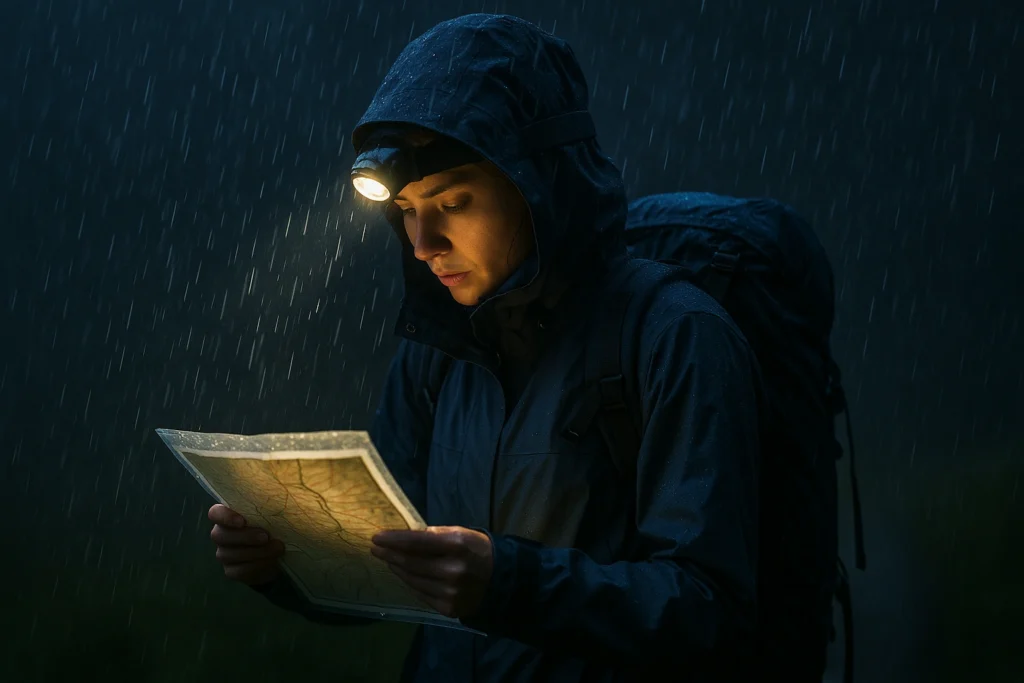
When it comes to hiking safety, nothing shapes your experience more than the weather. From blue-sky mornings that turn stormy to crisp autumn days that fade into freezing nights, conditions can change fast — and the best hikers are ready before they set foot on the trail.
This Hiking Weather Guide is your year-round resource for planning, preparing, and staying safe in any season or terrain. Here, you’ll learn how to research seasonal patterns, understand local hazard cycles, and adjust your route and packing list based on the forecast.
Once you’re on the trail, weather awareness becomes just as important — so we’ve linked to our in-depth Weather Awareness hiking guide, where you’ll find real-time tips for reading the sky and making quick, safe decisions when conditions shift.
Why Weather Resilience Is Essential for Every Hiker
Hiking isn’t just about choosing the right trail — it’s about knowing when the trail is safe to travel. Weather can turn a calm day into a survival challenge faster than you expect, especially in mountains, deserts, or coastal zones where changes happen quickly. Preparing for these shifts before you set foot outdoors gives you a safety margin that on-the-fly decision-making can’t always provide.
Researching Seasonal & Regional Weather Patterns
Using Climate History to Plan the Right Hiking Window
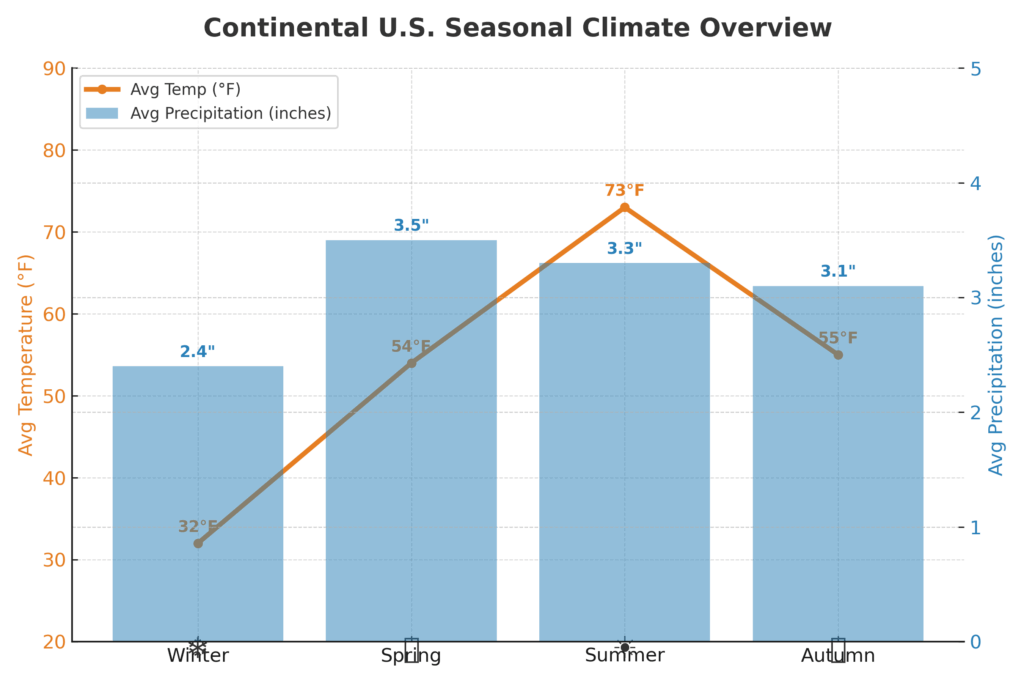
Researching average temperatures, precipitation levels, and daylight hours helps you avoid extreme conditions and choose trails that match your comfort zone.
Recognizing Hazard Seasons: Wildfire, Avalanche, Monsoon, Ice
Every region has its danger windows. In the West, wildfire smoke can choke out summer hiking. In the Rockies, avalanche risk can persist well into spring. Coastal areas may face monsoon-like downpours.
How Terrain Influences Weather Risk
Mountains create rapid weather shifts, deserts magnify heat, and coastal hikes can trap fog or bring sudden squalls. Tailor your preparation to the environment.
Pre-Hike Weather Checklist for Safer Trail Conditions
Where to Find Accurate Forecasts
Check multiple sources — NOAA, local ranger updates, and specialized hiking apps like Windy or Meteoblue — to spot discrepancies and confirm patterns.
Setting Weather-Based Turnaround Times
Establish a firm time to head back based on forecasted changes. This reduces your risk of being caught on exposed terrain in bad weather.
Adjusting Route, Pace, and Start Time
Move your start earlier to beat afternoon storms, shorten routes if temperatures spike, or add extra breaks in high humidity.
Essential Gear for All-Weather Hiking
Seasonal Gear Adjustments
Spring may need waterproof gaiters, summer requires extra water capacity, autumn calls for a headlamp, and winter demands traction devices.
Layering Systems for Unpredictable Conditions
A moisture-wicking base, insulating mid-layer, and waterproof shell form the core of your weather kit.
Waterproofing & Storage Solutions
Dry bags, pack covers, and zip-seal pouches keep essentials safe from rain or snow.
Real-Time Weather Reading Skills on the Trail
Once you’ve started your hike, your best forecasts come from what you see, feel, and hear around you. Recognizing subtle changes in wind, light, and cloud shape can give you an early warning before a phone app updates.
For a complete breakdown of these in-field skills, check out our detailed Weather Awareness for Hikers guide.
Safety Protocols for Sudden Weather Changes
Lightning Safety and the 30/30 Rule
If the time between seeing lightning and hearing thunder is 30 seconds or less, seek shelter immediately.
Choosing Safer Terrain Quickly
Lower ground, forest cover, and avoiding lone trees or ridgelines can reduce your exposure.
Emergency Shelter & Communication
Carry a lightweight bivy or tarp and a satellite communicator if hiking in remote areas.
Tools & Resources
- Local ranger station contacts by region
Seasonal Weather Preparedness Checklist
Live NOAA radar and forecast links
NPS Regional Office Contacts by Region
| Region | States / Territories Covered | Address & Phone |
|---|---|---|
| Northeast (Interior Region 1) | Connecticut, Maine, Massachusetts, New Hampshire, New Jersey, New York, Rhode Island, Vermont, District of Columbia | U.S. Customs House, 200 Chestnut St., Room 322, Philadelphia, PA 19106 • 215‑597‑4971 National Park Service |
| National Capital Area | Washington, D.C. | 1100 Ohio Drive, SW, Washington, DC 20242 • 202-619-7256 National Park Service |
| Southeast (Interior Region 2) | Alabama, Florida, Georgia, Kentucky, Louisiana, Mississippi, North Carolina, South Carolina, Tennessee, Puerto Rico, U.S. Virgin Islands | 75 Spring Street SW, Suite 1130, Atlanta, GA 30303 • 404-331-5711 National Park Service |
| Midwest (Interior Regions 3, 4, 5) | Arkansas, Illinois, Indiana, Iowa, Kansas, Michigan, Minnesota, Missouri, Nebraska, North Dakota, Ohio, South Dakota, Wisconsin | 601 Riverfront Drive, Omaha, NE 68102 • 402-661-1804 National Park Service |
| Intermountain (Interior Regions 6, 7, 8) | Arizona, Colorado, Montana, New Mexico, Oklahoma, Texas, Utah, Wyoming | 12795 Alameda Parkway, Denver, CO 80225 • 303-969-2020 National Park Service |
| Pacific West (Interior Regions 8, 9, 10, 12) | California, Hawaii, Idaho, Nevada, Oregon, Washington, plus American Samoa, Guam, Northern Mariana Islands | One Jackson Center, 1111 Jackson Center, Suite 700, Oakland, CA 94607 • 510-817-1300 National Park Service |
| Alaska (Interior Region 11) | Alaska | 240 West 5th Avenue, Anchorage, AK 99501 • 907-644-3347 National Park Service |

Final Call-to-Action:
Weather doesn’t have to be unpredictable — at least not for you. Plan ahead, monitor conditions, and use the tools and skills you’ve learned here to keep every hike safe, comfortable, and memorable.