
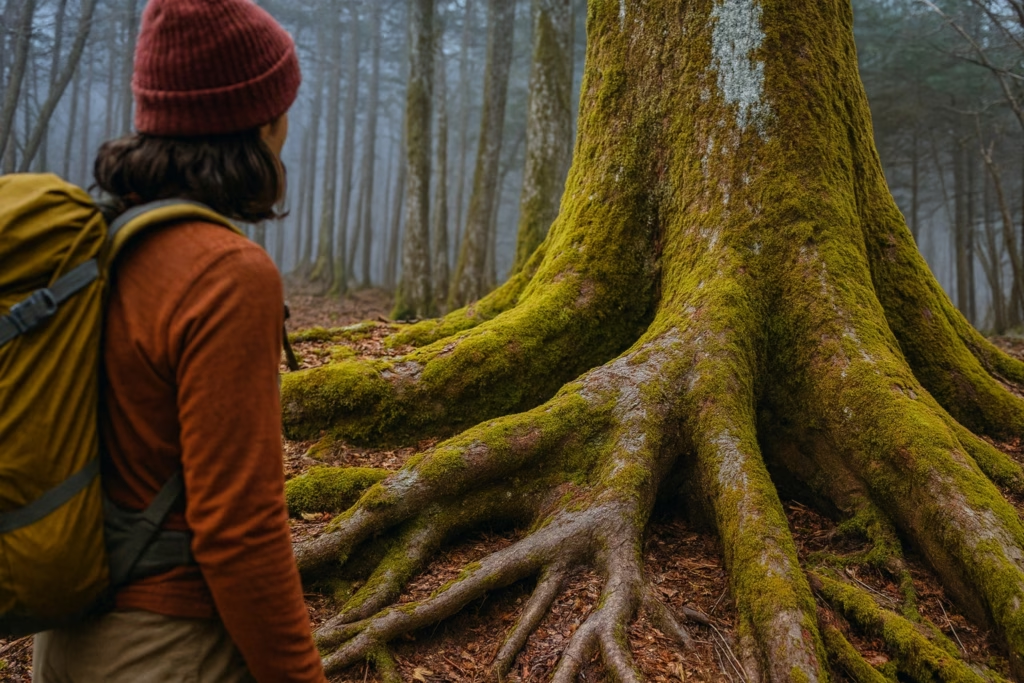
Hiking Japan: trails, seasons and cultural tips is one of the world’s most rewarding countries for hikers—offering everything from volcanic ridges and alpine peaks to ancient pilgrimage paths and mossy forests. Whether you’re exploring the Japanese Alps, trekking historic roads once used by samurai, or climbing Mount Fuji at sunrise, Japan blends unforgettable landscapes with deep cultural tradition.
This guide highlights Japan’s best hiking regions, when to go, must-see trails, and essential travel tips to help you prepare for a safe and meaningful adventure.
🌏 Why Hike Japan?
Japan’s hiking culture is deeply rooted in spirituality, nature worship, and centuries-old travel routes. Today, hikers from around the world visit Japan for:
World-class mountain scenery
Well-marked trails and maintained paths
A famous network of mountain huts (“yamagoya”)
Historic landscapes preserved for generations
Extraordinary seasonal beauty (cherry blossoms, summer alpine flowers, fall foliage, winter snowscapes)
Easy access from major cities via trains and buses
Whether you’re a seasoned adventurer or a casual walker, Japan offers a wide range of experiences.
🗾 Where to Hike in Japan (By Major Islands)
Japan’s four major islands—and the smaller subtropical ones—offer dramatically different hiking environments. Below is a breakdown for travelers building an itinerary.
Honshu – Japanese Alps, Mt. Fuji & Historic Routes
Honshu is Japan’s largest island and home to the country’s most iconic trails.
Highlights
Japanese Alps (Northern, Central, Southern Alps)
Alpine ridges, glaciers, huts, and multi-day high routes.Mt. Fuji (3,776 m)
A bucket-list ascent during the summer climbing season.Nakasendō Trail – Kiso Valley
Gentle forest paths between Edo-period towns.Kumano Kodo Pilgrimage Routes (UNESCO)
Mossy mountain routes connecting ancient shrines.Nikko & Hakone National Parks
Great for day hikes near Tokyo.
Honshu is ideal for travelers who want a mix of culture, historic travel routes, and big mountains.
Hokkaido – Wild, Remote & Volcanic
Japan’s northernmost island is rugged, less crowded, and perfect for experienced hikers.
Highlights
Daisetsuzan National Park
Japan’s largest national park—volcanoes, alpine lakes, wildlife.Shiretoko Peninsula (UNESCO)
Pristine wilderness, hot springs, sea cliffs, bears.Mount Asahi
Popular summer and fall route with volcanic steam vents.Niseko
Gentle volcanic trails with panoramic views.Furano & Biei
Rolling hills, flower fields, and scenic walking paths.
Hokkaido is best from June–September.
Shikoku – Pilgrimage Culture & Hidden Valleys
A quieter island known for spiritual trails and dramatic river canyons.
Highlights
Shikoku 88 Temple Pilgrimage
A 746-mile ancient route circling the island.Iya Valley
Vine bridges, river gorges, remote roads.Mount Tsurugi
One of Japan’s best non-alpine summits.
Shikoku is ideal for walkers seeking peaceful cultural experiences.
Kyushu – Volcanoes, Craters & Ancient Forests
A dramatic island shaped by volcanic landscapes and geothermal energy.
Highlights
Mount Aso
One of the world’s largest active volcanic calderas.Kirishima Mountains
Sulfur vents, red volcanic soil, otherworldly ridges.Yakushima Island (UNESCO)
Hiking among ancient cedars, waterfalls, and misty mountains.
Kyushu blends adventure hiking with Japan’s best hot-spring regions.
Okinawa – Subtropical Jungle & Coastline Trails
For hikers who prefer warm weather, turquoise water, and forest walks.
Highlights
Coastal ridge walks
Jungle paths through mangrove forests
Okinawa World Heritage Sites
Kerama and Miyako islands
Best visited in winter–spring for lower humidity.
🥾 Key Trails Worth Adding to Your Bucket List
🗻 Mt. Fuji – Japan’s Most Iconic Summit
Climb Japan’s highest peak during the summer season. Choose from four main routes and experience volcanic terrain, sunrise views, and a culturally rich pilgrimage ascent.
🏔 Kamikōchi to Mt. Yari – Northern Japanese Alps
A spectacular multi-day trek through valleys and sharp ridges. Mt. Yari (“Japan’s Matterhorn”) offers dramatic scenery and an alpine hut system that rivals Europe.
🛤 Nakasendō Trail – Historic Kiso Valley
A peaceful route linking Edo-period post towns like Magome and Tsumago. Ideal for families or hikers who want an immersive cultural walk without steep climbs.
🛤 Kumano Kodo Pilgrimage – Wakayama Prefecture (UNESCO)
Walk among cedar forests, shrines, villages, and mountain passes. One of the world’s only dual-UNESCO pilgrimage routes shared with Spain’s Camino de Santiago.
🌲 Yakushima Island – Ancient Cedar Forests
Misty mountains, 1,000-year-old cedars, and waterfalls. A mystical island that inspired Studio Ghibli’s “Princess Mononoke.”
🌋 Mt. Aso – Kyushu Volcanic Crater
Hike across a massive caldera with steaming vents and sweeping grasslands. A striking landscape for geology lovers.
🌲 Daisetsuzan National Park – Hokkaido’s Wild North
High volcanic peaks, roaming wildlife, and rugged multi-day routes. Japan’s true wilderness trekking experience.
🍁 Best Seasons for Hiking in Japan
Japan offers four distinct hiking seasons:
Spring (March–May)
Cherry blossoms
Cool temperatures
Best for Nakasendō & lower-elevation trails
Summer (June–August)
Peak season for Mt. Fuji & Japanese Alps
Hot and humid at lower elevations
Autumn (September–November)
Stunning fall foliage (maples and larch)
Best mix of weather + scenery
Winter (December–February)
Snowshoeing in Hokkaido
Limited but beautiful winter routes
Alpine areas closed or dangerous without proper gear
🧭 Essential Tips for Hiking Japan
Here’s your polished intro plus expanded bullet points.
Hiking in Japan blends nature, culture, and tradition in a way that few countries can match. From volcanic landscapes to ancient roads, trails often pass shrines, statues, and centuries-old markers. Preparation is important—weather changes quickly, English signs vary, and trail etiquette is deeply rooted in respect. With the right planning, your trip will be safe, meaningful, and unforgettable.
Important Tips
Cultural Etiquette: Bow at shrines, follow trail respect traditions.
Mountain Huts (Yamagoya): Book early for Alps & Fuji.
Weather Awareness: Japan can shift from sunny to stormy within an hour.
Wildlife Precautions: Use bear bells in Hokkaido; store food properly.
Footwear & Gear: Lightweight layers, rain gear, and moisture-wicking clothing are essential.
Navigation: Trails often have both Japanese and English signs, but remote routes may not—download offline maps.
Bathing & Onsen Etiquette: Follow posted rules, wash before entering, tattoos may require covering.
Cash vs. Card: Rural mountain huts often take cash only.
Transport Logistics: Trains and buses go to most major trailheads—you can usually avoid renting a car.
🗺️ Japan Hiking Map
🎎 Helpful Travel Notes for Hikers
Japan excels at mixing travel convenience with wild landscapes. Here are quick-reference notes perfect for a sidebar or section box:
Transportation
Shinkansen (bullet train) links Tokyo, Nagano, Kyoto, Hiroshima.
Express buses reach major parks like Kamikōchi.
Suica/Pasmo cards work in most cities but not rural buses—carry cash.
Safety
Pay attention to volcanic alerts.
Some trails close seasonally—check park websites.
Earthquake safety signs are common in mountain areas.
Accommodation
Mountain huts provide bedding, meals, and shelter.
Ryokan and minshuku offer traditional lodging in trail towns.
Food & Water
Many huts sell hot meals (curry rice, noodles).
Water purification recommended for natural sources.
🧭 Trail Comfort Tip: Restrooms on Japan’s Mountain & Pilgrimage Trails
Many of Japan’s hiking routes—such as the Japanese Alps, Kumano Kodo, and volcanic ridgelines—offer beautiful but exposed terrain with limited restroom availability once you leave trailheads, shrines, or mountain huts. While forests may provide some cover, treeless ridges and summit zones require careful discretion. Follow Leave No Trace principles by stepping far off the trail, moving at least 70 meters (200 ft) from water sources, and packing out all toilet paper. Facilities are usually available at trailheads or lower-elevation huts.