
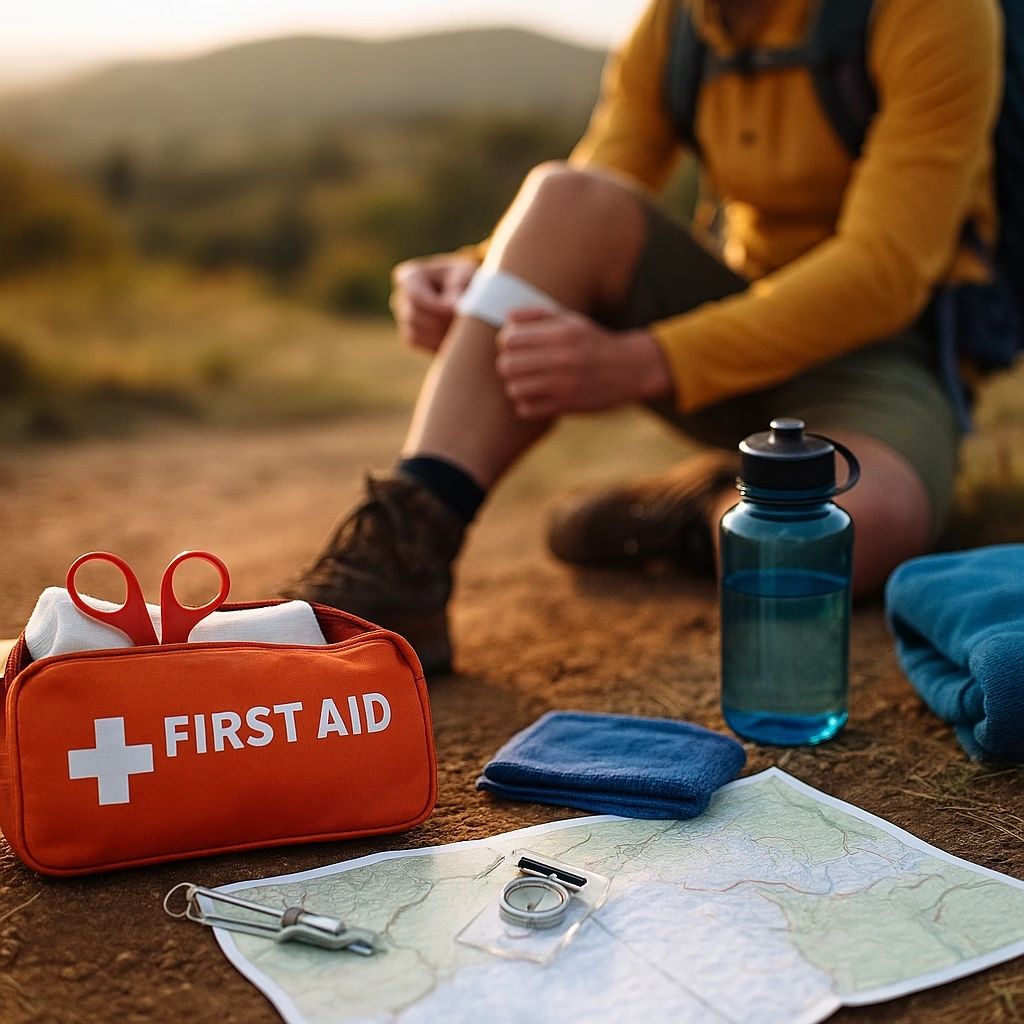
Every outdoor adventure should be both thrilling and safe. That’s why our First Aid and Safety Basics for the Trail blog page is dedicated to helping hikers build the knowledge and confidence to handle emergencies on the trail.
Whether you’re heading out for a day hike or a multi-day trek, carrying a well-stocked first aid kit is essential. Your pack should include basics like bandages, antiseptic wipes, blister pads, tweezers, and any personal or emergency medications. But having the right gear is only part of the equation.
Knowing how to respond to common trail injuries and health issues—like sprains, heat exhaustion, dehydration, or hypothermia—can make a critical difference in how you handle the unexpected. In this section, we also cover situational awareness, communication tools like whistles, mirrors, and GPS beacons, and practical tips for staying calm during wildlife encounters or sudden weather changes.
Our goal is to help you hike with confidence, clarity, and preparedness—not fear. By learning basic first aid and safety techniques, you’ll be ready to think clearly, act quickly, and protect yourself or others when it matters most.
This blog is your go-to resource for building essential trail safety skills, understanding what to pack, and knowing how to respond when plans go sideways. Because the best adventures don’t just happen—they’re planned, prepared for, and confidently handled.
Stay ready, stay safe, and hike smart—wherever your boots may take you.
A well-prepared first-aid kit can make all the difference when something goes wrong on the trail. In this quick and practical video, REI highlights ten essential items every hiker should carry—along with tips on how to use them. Watch to learn what to pack, why it matters, and how to be ready for common trail injuries and emergencies.
How to Build the Ultimate First Aid Kit for Any Hike
When it comes to hiking, preparation is everything—especially when it comes to safety. Building a well-equipped first aid kit ensures you’re ready to handle minor injuries and unexpected emergencies with confidence. Whether you’re heading out for a short day hike or a multi-day backcountry trek, your kit should be lightweight, compact, and customized for your specific adventure.
At a minimum, your hiking first aid kit should include:
Adhesive bandages (various sizes)
Gauze pads and medical tape
Antiseptic wipes and antibiotic ointment
Blister treatment (like moleskin or blister pads)
Tweezers, scissors, and pain relievers (ibuprofen or acetaminophen)
Personal medications, antihistamines, and insect sting relief
For longer or more remote hikes, expand your kit with items like an emergency blanket, CPR face shield, splint materials, and a signal mirror. A tick removal tool and electrolyte tablets are especially useful in wooded or hot environments. Store everything in a waterproof pouch or zippered organizer to protect your supplies and keep them easily accessible. Labeling compartments or using color-coded bags can save valuable time in high-stress situations.
Just as important as packing the right gear is knowing how to use it. Consider taking a wilderness first aid course or carrying a compact first aid manual. Every item in your kit serves a purpose—from stopping bleeding and treating infections to stabilizing sprains or responding to allergic reactions.
Make a habit of checking your kit regularly. Replace expired medications, restock used items, and adjust supplies based on your destination, climate, and group size. If you’re hiking with children, pets, or individuals with specific health needs, pack accordingly.
A well-prepared hiker isn’t just someone who carries the right gear—they’re someone who knows how to use it. With the right first aid essentials in your pack, you’ll hike smarter, stay safer, and be ready for whatever the trail may bring.
Trail Safety Tips for Extreme Conditions: From Heat Exhaustion to Hypothermia
Hiking in nature’s extremes—whether in blazing heat or freezing cold—requires more than just determination. It demands awareness, preparation, and smart decision-making. Understanding the risks of heat exhaustion, dehydration, cold exposure, and hypothermia can help you avoid dangerous situations and respond confidently when conditions take a turn.
In hot weather, your biggest threats are dehydration, heat exhaustion, and heatstroke. Start by drinking water regularly, not just when you feel thirsty. Carry electrolyte tablets or sports drinks to help replenish salts lost through sweat. Wear lightweight, moisture-wicking clothing, a wide-brimmed hat, and sunglasses for sun protection. Hike early in the day, stick to shaded trails when possible, and rest frequently in cooler spots.
Signs of heat exhaustion include headache, dizziness, nausea, rapid heartbeat, and muscle cramps. If you or a hiking partner shows these symptoms, stop immediately. Move to a shaded area, hydrate, and cool the body using wet cloths or a stream if available. If symptoms worsen, seek help—it could escalate to heatstroke, a life-threatening emergency.
In cold or wet conditions, hypothermia becomes a serious concern. It occurs when your body loses heat faster than it can produce it, often due to wind, moisture, or inadequate clothing. Wear layered clothing, including a base layer that wicks moisture, an insulating mid-layer, and a waterproof outer shell. Keep extra dry socks and gloves in a sealed plastic bag.
Early signs of hypothermia include shivering, slurred speech, clumsiness, and confusion. If you suspect hypothermia, get the person dry, insulated, and sheltered. Use a space blanket, warm fluids (if conscious), and body heat to rewarm gradually.
Whether you’re facing sweltering sun or freezing temperatures, the key is to anticipate weather conditions, pack accordingly, and listen to your body. Adjust your pace, stay hydrated, and never ignore warning signs. Knowing how to prevent and treat heat- or cold-related conditions is a vital part of trail safety—and can be the difference between discomfort and disaster.
Blister Prevention and Treatment for Hikers: A Step-by-Step Guide
Blisters are one of the most common—and painful—problems hikers face. Left untreated, a small hot spot can quickly become a raw, debilitating injury. The good news is that with the right gear, awareness, and techniques, you can prevent most blisters before they start—and treat them effectively if they do.
Choose the Right Footwear
Blister prevention starts with properly fitted hiking boots or shoes. Footwear that’s too tight, too loose, or not broken in can cause excessive friction. Look for boots with a snug heel fit and room to wiggle your toes. Always break in new shoes on short walks before wearing them on long hikes.
Wear Moisture-Wicking Socks
Damp feet are blister-prone feet. Wear synthetic or merino wool hiking socks that wick moisture and reduce friction. Avoid cotton, which traps sweat and increases the risk of skin irritation. Consider adding liner socks for extra protection on longer hikes.
Address Hot Spots Early
If you feel rubbing or heat on your foot, stop immediately. Remove your sock and inspect the area. Apply moleskin, a blister pad, or leukotape over the spot to reduce friction. Acting early can stop a blister from forming altogether.
Treat Blisters with Care
If a blister forms, assess its size and condition. For small, intact blisters, leave them unbroken and cover with a blister bandage or moleskin donut. For larger blisters that are painful or likely to burst, consider draining them using a sterile needle—but only if you’re confident in the process. Always clean the area with antiseptic wipes, apply antibiotic ointment, and cover with a sterile dressing.
Keep Feet Dry and Cushioned
During the hike, take breaks to air out your feet, change into dry socks, and check for new pressure points. Keep your first aid kit stocked with blister treatment supplies so you’re always prepared.
With the right prep and quick response, blisters don’t have to ruin your hike. Your feet are your foundation—treat them well and they’ll carry you confidently on every trail.
How to Treat Common Hiking Injuries: Sprains, Cuts, and Falls
Even on well-planned hikes, accidents can happen. Knowing how to treat common hiking injuries like sprains, cuts, and minor falls can keep a manageable situation from turning into a serious emergency. With a little knowledge and a well-stocked first aid kit, you can respond quickly, calmly, and effectively.
Sprains and Joint Injuries
Ankle sprains are one of the most common trail injuries. If you or a hiking partner rolls an ankle or twists a knee, stop hiking immediately to prevent further damage. Follow the R.I.C.E. method:
Rest the injured limb
Ice (or cool it using stream water in a cloth)
Compress with a wrap or bandage
Elevate the limb if possible
Stabilize the area using a splint or trekking poles, and avoid bearing weight until swelling or pain subsides. If the joint is severely swollen or cannot bear weight, turn back or seek help.
Cuts, Scrapes, and Abrasions
For minor cuts and scrapes, clean the wound thoroughly using sterile water or antiseptic wipes. Remove any visible dirt or debris with tweezers. Apply antibiotic ointment, then cover the wound with a sterile bandage or gauze pad to prevent infection. For deeper cuts or bleeding wounds, apply firm pressure with gauze until bleeding stops, then bandage securely.
Keep the area clean and dry during the rest of the hike, and monitor for signs of infection like redness, warmth, or swelling.
Minor Falls and Bruising
If someone takes a fall, first assess for head, spine, or joint injuries. If there’s any doubt, do not move the person—stabilize them and get help. For minor bruises or soreness, rest and apply a cold compress. Pain relievers like ibuprofen can help reduce inflammation.
Staying calm and acting quickly can prevent further complications. Always hike with a basic understanding of first aid, and don’t hesitate to turn back if an injury compromises your safety.
First Aid and Safety Basics Every Hiker Should Know
Being prepared isn’t just about carrying the right gear—it’s about knowing how to respond in the moment. Every hiker, whether new to the trail or gaining experience, should develop a core set of first aid and safety skills to handle unexpected situations with confidence and calm.
Start by learning how to assess a situation. If someone is injured, your first priority is to stay calm and ensure the area is safe. Determine the type of injury and whether immediate care or emergency help is needed. Knowing how to identify life-threatening conditions, such as difficulty breathing, heavy bleeding, or signs of shock, is a vital step in trail safety.
At a basic level, every hiker should know how to:
Clean and dress a wound
Treat blisters and minor burns
Immobilize a sprained ankle or wrist
Recognize signs of dehydration, heat exhaustion, and hypothermia
Use a bandage, gauze, and medical tape correctly
Administer an antihistamine in the event of an allergic reaction
Other essential skills include using a compass, signaling for help with a whistle or mirror, and understanding basic navigation and orientation in case you lose the trail. Practice packing and accessing your first aid kit so you know exactly where items are when you need them most.
Communication is also key. Learn how to send for help if you’re out of cell range. A personal locator beacon (PLB) or satellite messenger can be a lifesaver in remote areas. Know how to describe your location clearly and stay put once help is on the way.
Many outdoor organizations offer wilderness first aid courses, which are highly recommended for anyone hiking regularly or in remote areas. Even a few hours of training can dramatically improve your confidence and response time.
First aid skills are just as important as boots or backpacks. With the right knowledge and mindset, you’ll not only protect yourself and others—you’ll hike smarter, safer, and with peace of mind on every trail.
Emergency Response on the Trail: How to Stay Calm and Act Fast
When an emergency happens on the trail, your ability to stay calm and act quickly can make a life-saving difference. Whether it’s a serious injury, sudden illness, or a hiker who’s gone missing, knowing what to do—and what not to do—can prevent panic and keep the situation under control.
The first step is to pause and assess. Ensure your surroundings are safe before approaching an injured person. Take a deep breath, focus your thoughts, and evaluate what’s happening. Look for obvious injuries, check responsiveness, and listen for breathing. If someone is unconscious or shows signs of a life-threatening condition—such as severe bleeding, difficulty breathing, or confusion—act immediately.
If you’re trained in first aid or CPR, begin care as needed. Use items from your first aid kit to control bleeding, protect wounds, or immobilize injuries. Talk calmly to the injured person, offer reassurance, and keep them warm.
Next, decide if you need outside help. If cell service is available, call emergency services and provide your exact location using a GPS coordinate or trail marker. If not, use a satellite communicator or personal locator beacon (PLB) to send a distress signal. Whistles, signal mirrors, and brightly colored clothing can also help rescuers locate you.
If you must leave to seek help, never leave someone alone unless absolutely necessary, and always document your route, direction, and estimated time to return. Leave notes with time-stamped details if possible.
In non-medical emergencies—such as getting lost—use the STOP method:
Stop and stay calm
Think about where you last were
Observe your surroundings and supplies
Plan your next move logically
The best emergency response starts before the hike—with knowledge, preparation, and the right mindset. Practice scenarios, know your equipment, and always have a communication plan. Emergencies can’t always be prevented—but how you respond can change the outcome.
First Aid & Safety Basics for the Trail — Summary
Prepared beats lucky. This guide shows how to prevent problems first, then manage the big ones calmly. Build a kit you know how to use, practice simple assessments, and carry reliable comms.
Core mindset
Scene safe → primary survey (ABCs) → stop bleeding → protect heat.
Use STOP: Stop, Think, Observe, Plan to slow decisions.
Document with simple SOAP notes and times.
Essential kit (trail‑ready, lightweight)
Wound care: assorted bandages, gauze + roller wrap, tape, antiseptic, hydrogel/burn pad.
Blister care: moleskin/engel, hydrocolloid, tincture of benzoin, needle/thread.
Musculoskeletal: elastic wrap, triangular bandage, splinting aid (SAM or pad + poles).
Meds: pain/anti‑inflammatory, antihistamine, antacid/anti‑diarrheal, glucose gels or tabs, personal scripts.
Tools: gloves, tweezers, safety pin, mini shears/knife, thermometer strip, whistle, repair tape.
Emergency bivy, lighter/fire starter, headlamp + spare power.
Water treatment and electrolytes.
Common problems & quick actions
Bleeding: direct pressure → pressure dressing; elevate; add, don’t remove, pads.
Blisters: drain at edge, dry, seal, hydrocolloid + donut; adjust socks/fit.
Sprains/strains: RICE‑style—rest, cool, compress, elevate; assess weight‑bearing; tape/splint for exit.
Heat illness: shade, loosen layers, cool skin, electrolytes; if altered mentation → evacuate.
Hypothermia: dry, insulate, feed, warm drinks if alert; gentle handling; urgent evac if shivering stops or mental status changes.
Allergic reactions: antihistamine; epinephrine auto‑injector for airway/breathing issues → activate rescue.
Dehydration/Hyponatremia: steady fluids; match water with salty foods/electrolytes; confusion or persistent vomiting → evac.
Altitude issues: descend, rest, hydrate; severe headache, ataxia, or breathlessness at rest → immediate descent and evac.
Communication & evacuation
Leave a trip plan and check‑in windows. Carry a PLB/satellite messenger; three whistle blasts = distress.
Decide to treat and continue, assist self‑evac, or call for rescue based on airway/breathing/circulation, mechanism, environment, and distance to help.
Level up
Take a Wilderness First Aid (WFA) or WFR course. Rehearse scenarios. Debrief after every incident and refresh your kit.
“As an Amazon Associate, I earn from qualifying purchases.”
When accidents happen far from help, knowing how to respond can make a life-saving difference. In this clear and practical video, CleverHiker, narrated by Dave Collins, covers essential first-aid skills every backcountry traveler should know. Watch to learn how to assess injuries, manage emergencies, and stay calm and capable when medical care is hours away.