
Emergencies & health access in Spain for international hikers is a number one priority. Spain is a safe and well-prepared country for travelers, offering reliable emergency services, excellent medical care, and easy access to pharmacies — even in smaller towns along popular hiking routes. Whether you’re tackling the Camino de Santiago, exploring the Pyrenees, or hiking through Andalusia’s olive-dotted hills, knowing how to get help quickly gives you peace of mind on the trail.
This guide covers emergency numbers, medical access, pharmacies, and important steps international hikers should take to stay safe in Spain.
➡ Back to: Hiking Spain → Practical Travel Logistics → Emergencies & Health Access
Emergency Numbers & Immediate Assistance
Spain uses a simple, unified emergency number:
Dial 112 for ALL emergencies
Police
Fire
Medical
Mountain rescue
Operators can typically respond in Spanish, English, and sometimes French.
Good to Know:
Mountain rescue services are highly skilled, especially in the Pyrenees and Picos de Europa, but remote valleys may still have limited cell coverage — carrying a satellite communicator is smart for off-grid hikes.
Hospital & Clinic Access
Spain has a mix of public and private healthcare facilities, both known for excellent care.
Public Hospitals (Hospital Público)
High quality
Affordable for travelers
Found in all major cities and many regional towns
Private Clinics
Shorter wait times
Widely available
Accept foreign insurance and credit cards
Hikers from the U.S. or Canada should carry travel medical insurance to avoid unexpected costs.
Pharmacies (Farmacias)
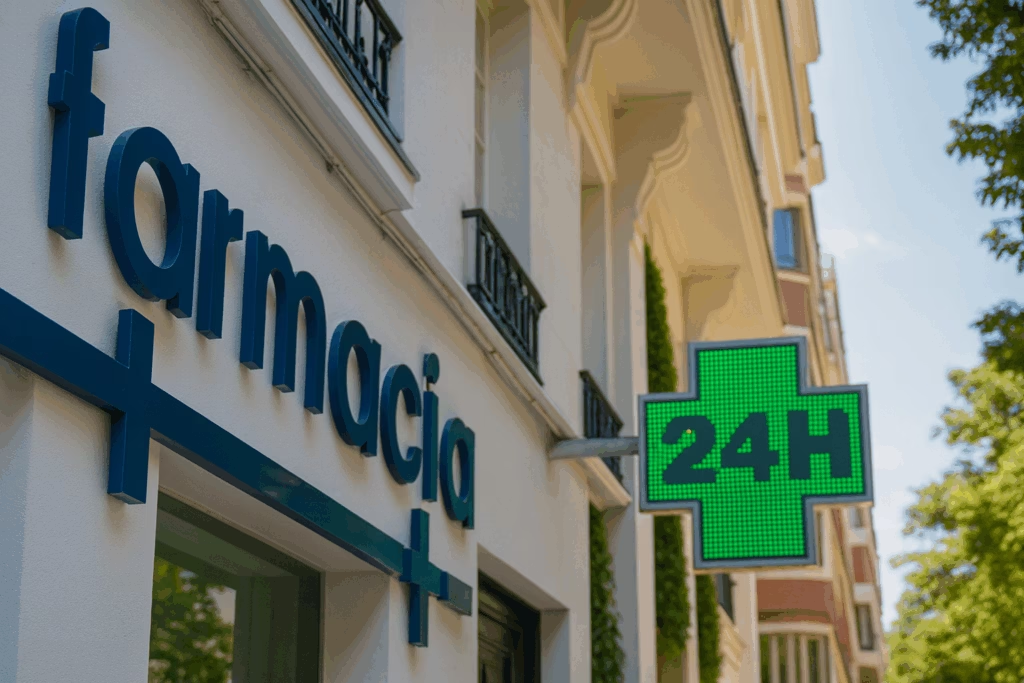
Pharmacies are one of the easiest resources to find in Spain. They are clearly marked with the green cross symbol and are staffed by trained professionals who can help with:
Blisters & foot care
Muscle pain
Minor injuries
Stomach issues
Cough, cold, or allergy relief
Farmacia de Guardia
Every area has at least one 24-hour rotating pharmacy posted on signs at local pharmacies. Super helpful for hikers arriving late.
Medical Supplies for Hikers
While pharmacies are common, hikers should still carry a basic kit, including:
Blister pads & foot tape
Pain relief (ibuprofen, paracetamol)
Bandages & antiseptic wipes
Electrolytes
Allergy meds
Any prescriptions in their original containers
On the Camino, many albergues also sell small first-aid items, but availability varies.
Mobile Coverage & Communication Tips
Coverage is strong near towns and cities
Mountain areas (Pyrenees, Picos, Sierra Nevada) may have dead zones
Consider a Spanish prepaid SIM for strong local coverage
Use apps like 112 SOS where available
Carry a Garmin inReach or similar device for remote trekking
Real-World Example: Emergencies on the Camino
If a hiker gets injured or dehydrated on the Camino Francés, nearby pilgrims often help first. Then, locals or albergue owners can call 112, and an ambulance from the nearest town will respond quickly. Pharmacies in Camino towns like León, Sarria, or Burgos handle common hiking injuries — especially blisters, sprains, and foot pain.
Emergencies & Health Access – Conclusion
Spain’s well-organized emergency systems, accessible pharmacies, and high-quality medical care make it an excellent destination for international hikers. Knowing how to call for help, where to find medical support, and how to access essential supplies keeps your journey safe and stress-free.
As you explore Spain’s rugged mountains, coastal trails, and historic pilgrimage routes, a little preparation ensures you’re ready for whatever the trail brings.