
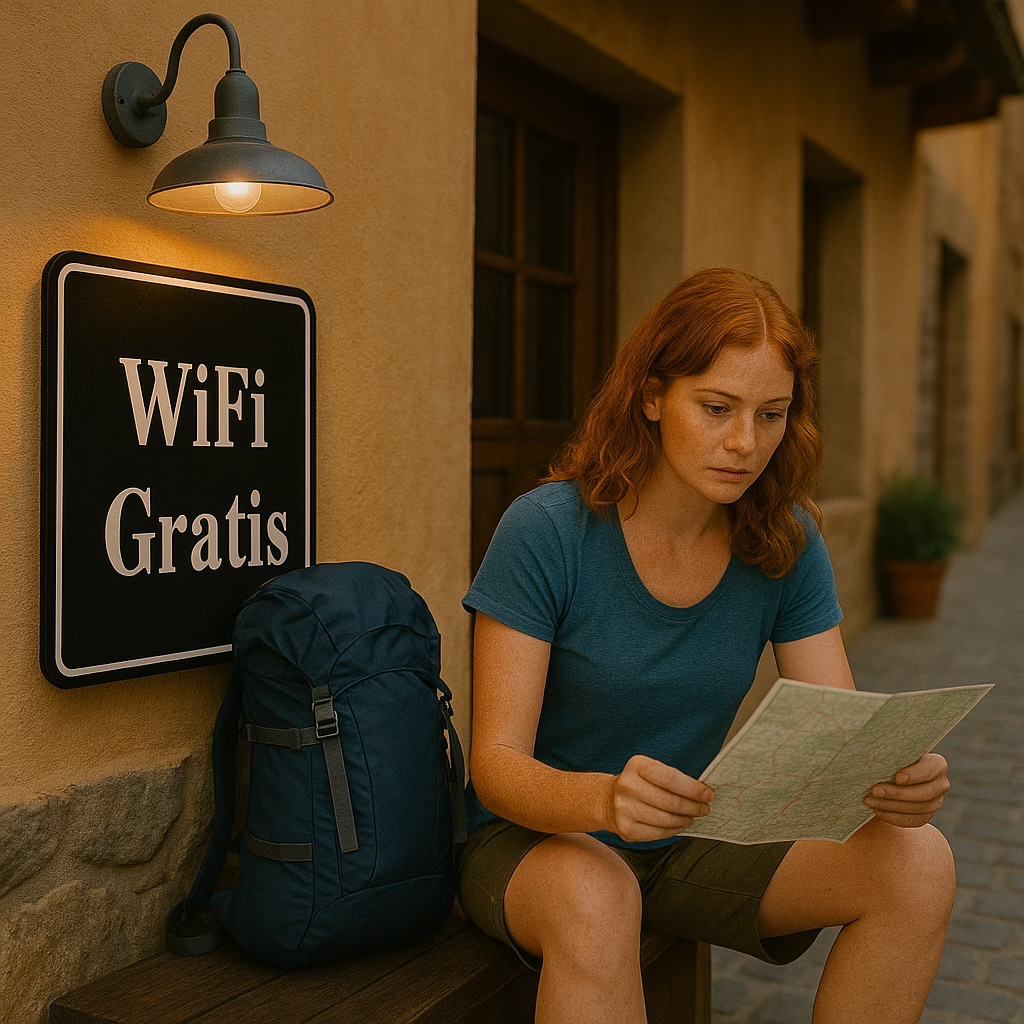
Electricity and Internet access helps hikers keep powered up and connected while hiking across Spain is easier than many travelers expect. Whether you’re exploring mountain routes, crossing historic Camino villages, or staying in small rural lodgings, Spain offers reliable electricity, strong mobile networks, and widespread Wi-Fi access. A few simple preparations ensure your devices stay charged and your navigation apps, communication tools, and travel information remain fully accessible throughout your journey.
This guide covers plug types, voltage, charging tips, Wi-Fi availability, and mobile connectivity for international hikers in Spain.
➡ Back to: Hiking Spain → Practical Travel Logistics → Electricity & Internet Access
Plug Types & Electrical Standards in Spain
Spain uses the European standard for electrical outlets:
Plug Types:
Voltage:
Travelers from the U.S., Canada, and several other countries must use a plug adapter for all devices.
Do You Need a Voltage Converter?
Most modern electronics — smartphones, tablets, laptops, camera chargers — already support 110–240V.
Check your device label. If it reads:
“Input: 100–240V, 50/60Hz”
→ You only need a plug adapter, not a converter.
Avoid plugging 110V-only appliances (like older hair dryers or curling irons) directly into Spanish outlets, as they can short out or be damaged.
Charging Tips for Hikers
Bring at least two plug adapters in case one is lost or breaks
Use a 20,000–30,000 mAh power bank for long trail days
Charge fully in the evening — some albergues have limited outlets
Consider a multi-port USB charger to power multiple devices at once
Protect devices with surge-safe chargers in older accommodations
➡ Trail Tip: Outlets in historic buildings may be sparse — carry a lightweight 3-port USB hub to avoid waiting for space.
Wi-Fi Availability in Spain
Spain offers reliable Wi-Fi in most urban and rural areas:
Hotels & albergues
Cafés
Train stations
Many town centers
Visitor information offices
On the Camino de Santiago, nearly all albergues provide free Wi-Fi, though speeds may vary — especially in older buildings or stone-wall structures.
When to Expect Slow or Spotty Service
Mountain lodges in the Pyrenees
Remote rural inns
Small village cafés during busy hours
Stone-walled historic buildings (signal interference)
Still, Wi-Fi is usually strong enough for maps, messaging, emailing, and checking forecasts.
Mobile Data & SIM Card Options
Spain has excellent cellular coverage through major providers:
You can purchase a prepaid SIM with data for €10–€25 at airports, phone shops, or some supermarkets.
Advantages of Using a Local SIM
Better rural coverage
Lower cost than international roaming
Faster speeds in village and countryside areas
Easy top-up options
For hikers who prefer international eSIMs, brands like Airalo and Holafly also work well across Spain.
Real-World Example: Staying Connected on the Camino
Hikers on the Camino Francés typically enjoy strong Wi-Fi in towns like Pamplona, Burgos, and León, plus reliable cell data along most stretches. In small villages, Wi-Fi may be slower but still adequate for messaging home or checking the next day’s weather. Power outlets in albergues often fill quickly — a multi-port charger becomes a valuable piece of gear.
Electricity & Internet Access – Conclusion
Spain provides hikers with dependable electricity, convenient charging options, and widespread internet access. With the right adapters, a reliable power bank, and offline maps ready to go, you can stay connected no matter where your trail leads.
Whether you’re hiking high mountain passes or wandering through medieval stone towns, staying powered and connected ensures a safer and smoother adventure across Spain.