
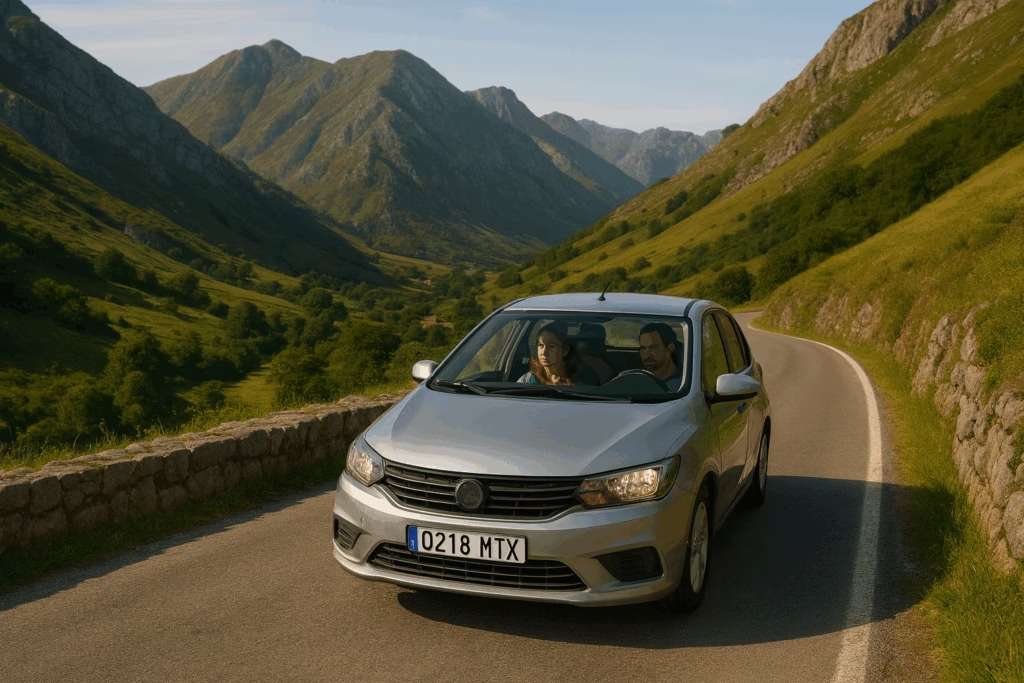
Getting around Spain as a hiker is generally simple, thanks to a reliable transportation network and well-connected towns near popular routes like the Camino de Santiago, Picos de Europa, and Sierra Nevada. Whether you’re renting a car for mountain access or relying on trains and buses for point-to-point travel, knowing how Spain’s transportation system works will make your journey smoother and more efficient.
This guide covers the essential driving rules, rural road conditions, public transportation tips, and important safety insights for international hikers exploring Spain. The driving & transportation tips in Spain will facilitate a much pleasanter experience while on your journey.
➡ Back to: Hiking Spain → Practical Travel Logistics → Driving & Transportation
Driving in Spain: What Hikers Need to Know
Spain’s road system is modern and well-maintained, but conditions change quickly as you move from urban areas to remote hiking regions.
Basic Driving Rules
Drive on the right-hand side
Seatbelts are mandatory for all riders
Hands-free devices only — holding a phone while driving is illegal
Speed limits:
120 km/h (highways)
90 km/h (rural roads)
50 km/h (towns)
International visitors can drive with:
A U.S. or Canadian license, plus
An International Driving Permit (IDP) — strongly recommended and sometimes required by rental agencies
Rural Road Conditions for Hikers
Many of Spain’s most beautiful trails lie beyond city limits, and rural driving can surprise travelers.
Expect the following in rural areas:
Narrow, winding roads through mountains and farm regions
Occasional loose livestock on or near the road
Blind curves and steep drop-offs
Limited lighting at night
Small villages with extremely tight streets
Take your time, especially in Galicia, Asturias, and the Pyrenees.
➡ Trail Tip: When using GPS, double-check the route — some navigation apps may send you down tiny farm lanes not suitable for cars.
Parking Near Trailheads
Parking availability varies widely:
Camino de Santiago: Larger towns have dedicated lots; rural albergues may offer private parking.
National Parks: Many areas use shuttle systems and prohibit private cars during peak season.
Small villages: Streets may be narrow — park only in marked areas to avoid fines.
Look for signs reading “Aparcamiento” (parking).
Public Transportation for Hikers
Spain’s public transit is reliable and often the easiest way to move between trail sections without a car.
Trains (Renfe)
Connect major cities and many regional towns
Comfortable, affordable, and punctual
Useful for sections of the Camino and northern coastal hikes
Buses
Reach smaller villages better than trains
Ideal for point-to-point hiking sections
Regional bus companies may vary in schedules — check ahead
Taxis & Rides
Rural taxis often serve hikers and can shuttle you between trailheads
Pre-book whenever possible, especially in remote areas
Airport Transfers
Major airports (Madrid, Barcelona, Bilbao, Santiago) offer direct buses and trains to popular hiking regions.
Walking & Cycling Rules for Hikers
Many hikers combine walking with short town-to-town transits.
Pedestrians always cross at zebra crossings
Cyclists often share small roads — drive slowly in rural areas
In the mountains, hikers may need to walk along paved roads; stay on the left-facing traffic
Fuel, Tolls & Costs
Fuel stations are widely available near major towns
Some highways (autopistas) have tolls — look for “peaje” signs
Diesel cars are common and fuel-efficient
Credit cards are accepted at nearly all stations
Real-World Example: Driving to Remote Trailheads
If you’re accessing the Picos de Europa, expect steep climbs, narrow passes, and scenic cliffside roads. Many hikers park in towns like Poncebos or Sotres and rely on buses to reach certain trailheads in peak season. The same applies to parts of Sierra Nevada, where summer restrictions limit private vehicles.
Driving & Transportation – Conclusion
Spain offers a flexible and well-connected transportation system for hikers. Whether you choose to drive through mountain passes, rely on trains and buses, or mix both approaches, understanding local road conditions and transport options will help you explore with confidence. Take it slow in rural areas, respect posted rules, and enjoy the incredible landscapes that unfold around every curve.
With a little planning, getting around Spain becomes part of the adventure — not an obstacle.