
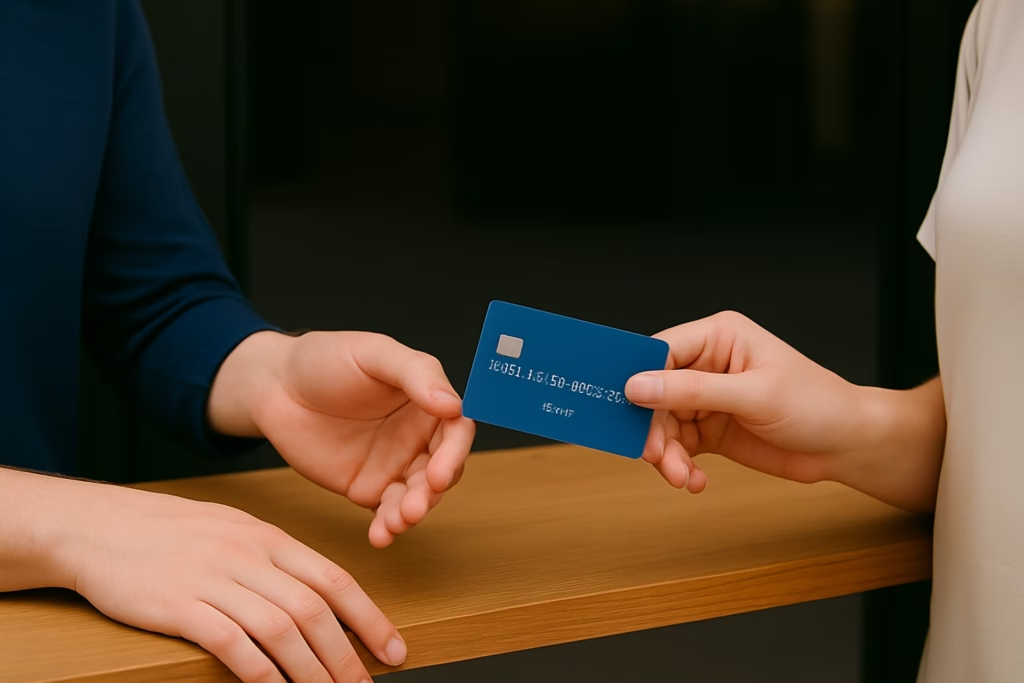
When you’re hiking abroad, credit cards & business hours for international hikers can be just as important as knowing the trail. While ATMs provide local currency, many transactions rely on credit cards — and knowing when shops are open can be the difference between a smooth trip and an empty stomach.
From credit card acceptance in Scotland to mid-day siesta closures in Spain, international hikers should plan for both payment methods and local business culture. This guide explains how to use credit cards abroad, manage fees, and work around business hours to keep your adventure on track.
➡ Back to: Hiking Scotland → Practical Travel Logistics → Credit Cards & Business Hours
Why Credit Cards & Business Hours Matter for International Hikers
Access to Essentials – You’ll need to pay for food, lodging, and transportation.
Unexpected Costs – Emergencies may require credit card payments.
Trail Logistics – Shops, drugstores, and post offices may close early or during odd hours.
Peace of Mind – Knowing payment and schedule systems reduces stress.
Credit Card Use Abroad: Best Practices
Widely Accepted but Not Universal – Major cards (Visa, Mastercard) work in most places; American Express and Discover are less common.
Carry Backup – Always bring at least two cards in case one is lost, stolen, or declined.
Enable Travel Alerts – Notify your bank before leaving to avoid blocked transactions.
Tap to Pay – Contactless payments are common in Europe but less so in rural Canada.
Watch for Fees – Many banks charge 2–3% foreign transaction fees; consider a no-foreign-fee card.
Managing Business Hours Abroad
Scotland & UK – Most shops open 9am–5:30pm, with shorter hours on Sundays. Rural shops may close earlier.
Spain – Expect siesta closures mid-day (2–5pm). Evening openings often go until 8–9pm.
Canada – Stores typically open 9am–9pm in cities, but rural areas may have shorter hours.
Ireland – Similar to the UK, though small shops may keep unpredictable hours.
👉 Tip: Always plan resupply stops during open hours — especially on long-distance trails where shops are few and far between.
Safety & Security Tips for Payments Abroad
Use ATMs Inside Banks – Safer than standalone machines.
Check Receipts – Watch for hidden surcharges or “dynamic currency conversion.” Always pay in the local currency.
Keep Cash Backup – Some mountain huts, hostels, or small shops may be cash-only.
Emergency Funds – Store a backup card in a separate pocket or pack.
Real-World Example: Understanding Credit Cards & Business Hours for International Hikers
On Scotland’s West Highland Way, hikers often stop in small villages for meals or supplies. Most pubs and shops accept cards, but a few rural stores are cash-only and may close by 5pm. On Sundays, reduced hours make planning essential. Carrying both a credit card and local currency ensures you’re never stranded.
Conclusion: Why Credit Cards & Business Hours for International Hikers Matter
Credit cards & business hours for international hikers may not be as thrilling as mountain views, but they are vital for a smooth journey. By carrying the right cards, avoiding fees, and understanding local business hours, you’ll keep your trip stress-free and well supplied. Whether you’re hiking in Scotland, Spain, or Canada, preparing ahead ensures you’re always ready when the trail calls.
Before you head to Scotland, Spain, or Canada, make sure your payment methods and shopping times align with local practices — and you’ll always be ready when the trail calls.