
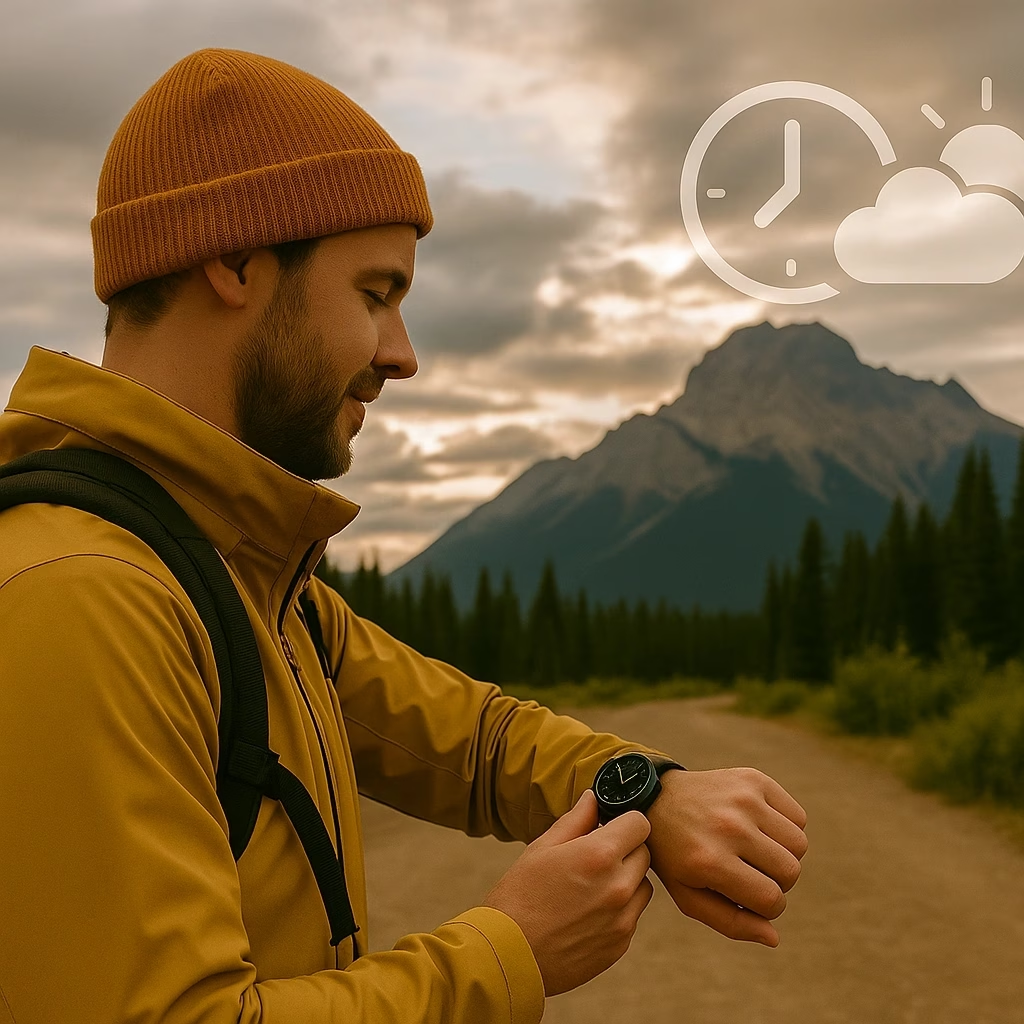
For international hikers, understanding time zones and weather updates for hiking in Canada is just as essential as knowing your route or gear. The country’s vast expanse means that local time, daylight hours, and weather patterns can vary dramatically from coast to coast — all of which impact travel schedules, hiking safety, and trip planning.
 Back to: Hiking Canada → Practical Travel Logistics → Time Zones & Weather Updates
Canada’s Six Time Zones
Canada spans six official time zones, stretching from the Atlantic coast of Newfoundland to the Pacific shores of British Columbia. Knowing which zone you’re in helps hikers coordinate early trail starts, transportation, and daylight planning.
1. Newfoundland Standard Time (NST – UTC-3:30)
Covers Newfoundland and southeastern Labrador. It’s the only North American zone offset by a half-hour, making it 30 minutes ahead of Atlantic Time.
2. Atlantic Standard Time (AST – UTC-4)
Used in Nova Scotia, New Brunswick, and Prince Edward Island, and parts of Labrador. Trails like Fundy Footpath and Cape Breton Highlands follow this time.
3. Eastern Standard Time (EST – UTC-5)
Applies to Ontario and Quebec — home to Algonquin Park, Ottawa, and Montreal. Ideal for planning sunrise hikes or catching VIA Rail departures.
4. Central Standard Time (CST – UTC-6)
Includes Manitoba, most of Saskatchewan, and portions of northwestern Ontario. Saskatchewan does not observe daylight saving time, so it can align with either Mountain or Central zones depending on the season.
5. Mountain Standard Time (MST – UTC-7)
Covers Alberta, parts of British Columbia, and the Northwest Territories. This includes major destinations like Banff, Jasper, and Yoho National Parks.
6. Pacific Standard Time (PST – UTC-8)
Used in British Columbia’s coastal regions and the Yukon. Expect PST on the West Coast Trail, Vancouver, and Whistler adventures.
👉 Trail Tip: Because time zones overlap between provinces, hikers traveling from Alberta to British Columbia should recheck local time for park gates, guided tours, and campground bookings.
Weather Updates & Trail Conditions
Canada’s climate is diverse and unpredictable — even in summer. From the maritime mist of Nova Scotia to the dry alpine air of the Rockies, conditions can change fast.
Regional Overview:
West Coast: Milder but rain-prone; waterproof layers are essential.
Prairies: Hot summers, sudden thunderstorms, and wide temperature swings.
Rockies: Cool mornings and snow possible even in July; pack layers.
Eastern Canada: Humid summers, brisk autumns, and early frosts by October.
Northern Territories: Short hiking season; expect cold nights and wind exposure.
Trail Tip:
Before each hike, check Environment Canada Weather Alerts or Parks Canada Trail Conditions. Many national parks post live updates on closures, storms, and wildfire risks.
Staying Informed on the Trail
Download Weather Apps: Use apps like The Weather Network or Windy for localized forecasts.
Carry a Barometer Watch: Useful when Wi-Fi is limited.
Offline Maps: Always save routes before you lose service.
Satellite Communicators: Ideal for backcountry hikers needing GPS weather syncing.
👉 Read more: Electricity & Internet Access for Hiking in Canada
Conclusion
When it comes to time zones and weather updates for hiking in Canada, preparation is your greatest asset. Adjusting to time differences ensures you make the most of daylight, while tracking forecasts helps you stay safe in Canada’s diverse landscapes. Whether exploring the Pacific peaks or Atlantic cliffs, knowing the rhythm of both time and weather will keep your adventure on track.