
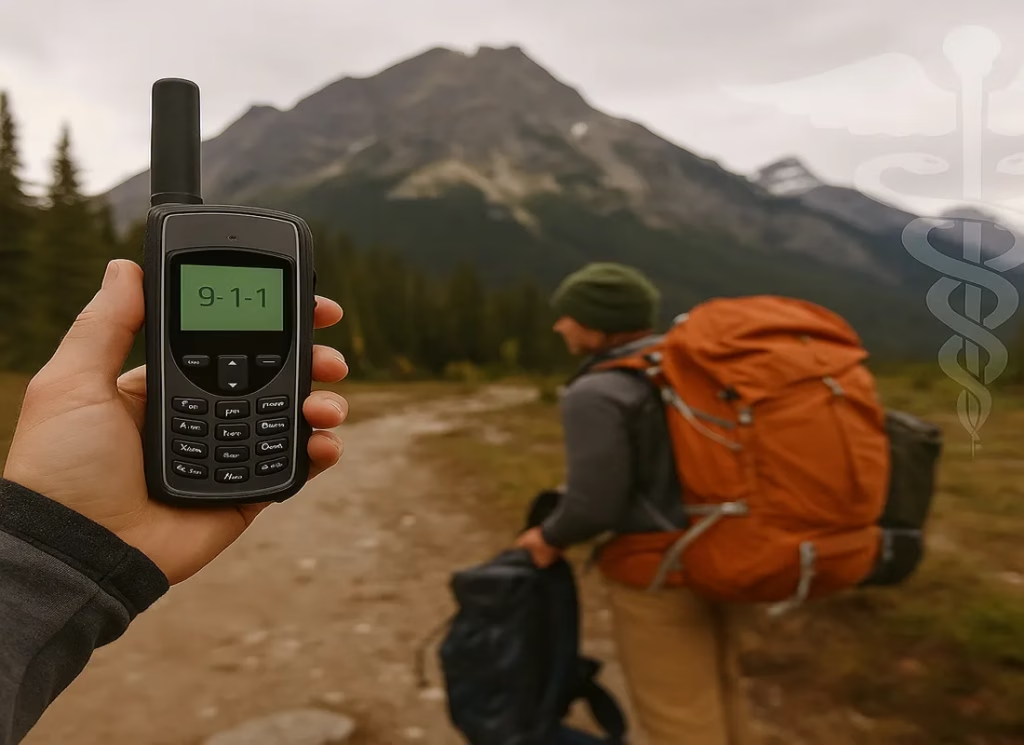
For international hikers, knowing how to handle emergencies & health access for hiking in Canada is as important as carrying the right gear. While Canada has reliable emergency services, the sheer size of the country means that help may be hours away in rural or backcountry regions. Being prepared ensures you can stay safe on the trail.
➡ Back to: Hiking Canada → Practical Travel Logistics → Emergencies & Health Access
Emergency Numbers & Response in Canada
The nationwide emergency number in Canada is 911. This connects you to police, fire, and medical services.
Response Times: In cities and towns, response times are quick. In rural and remote regions, it may take longer for help to arrive.
Cell Service: Many hiking regions have little or no coverage. Carrying a satellite messenger or GPS device can help you reach emergency responders when cell service fails.
👉 Tip: Program your device with your emergency contacts and learn how to send your GPS coordinates.
Hospitals, Pharmacies & Rural Clinics
Hospitals: Found in most cities and larger towns.
Pharmacies (Drugstores): Located in towns, but hours can be limited in rural areas.
Rural Clinics: Small communities may have basic medical centers, but they often lack full services. More serious cases may require transportation to larger hospitals.
Plan resupply and medical stops in towns before heading into the backcountry.
Travel Insurance & Backcountry Emergencies
Travel insurance is essential for international hikers.
Global Coverage: Ensure your policy includes emergency medical evacuation, backcountry rescue, and hospital stays.
Visitor Costs: Canadian healthcare is not free for visitors — uninsured emergencies can be very expensive.
Rescue Services: In national parks, rescues are coordinated through Parks Canada. Helicopter evacuation may be required in remote regions.
Health Preparation for Canadian Trails
First Aid Kits: Carry a well-stocked kit with blister care, bandages, and antiseptic.
Medications: Bring any prescriptions you need, as they may not be available in small towns.
Hydration & Food Safety: Purify all drinking water, and store food properly to avoid wildlife encounters.
Preventive Health: Be prepared for bugs (mosquitoes, ticks), sun exposure, and rapid weather changes.
Conclusion: Emergencies & Health Access for Hiking in Canada
Understanding emergencies & health access for hiking in Canada is critical for safe adventures. While cities provide reliable services, rural areas and backcountry trails may require self-sufficiency and advance preparation. With travel insurance, communication devices, and proper first aid, you can enjoy Canada’s wilderness with peace of mind.