
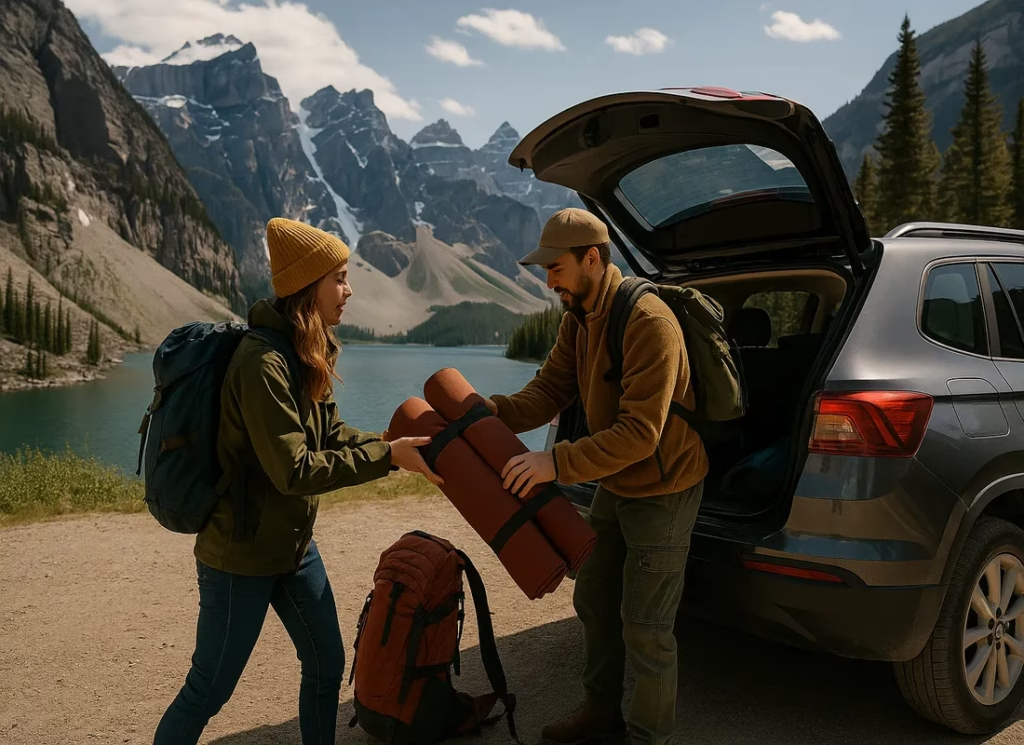
For international hikers, understanding driving & transportation for hiking in Canada is essential. Canada is vast, with many trails located hours from the nearest city. Rental cars, rural highways, and limited public transportation all play a role in how hikers reach the country’s most iconic routes. Preparing ahead ensures safe and stress-free trail access.
➡ Back to: Hiking Canada → Practical Travel Logistics → Driving & Transportation
Driving in Canada: Rules & Road Safety
Canada drives on the right-hand side of the road, with speed limits posted in kilometers per hour.
Licensing: Visitors can use their home license for short trips, but an International Driving Permit (IDP) is recommended for rentals.
Road Conditions: Highways are generally well-maintained, but rural and mountain roads may be gravel, narrow, or unpaved.
Seasonal Challenges: Snow and ice affect many regions from October to April. Even summer mountain passes can experience sudden storms.
👉 Tip: Always check provincial driving laws, as rules for seatbelts, studded tires, or speed limits vary.
Car Rentals & Accessing Trailheads
For most hikers, renting a car is the most practical way to reach Canadian trailheads.
Availability: Rental agencies operate at airports and major cities. Reservations are strongly advised in peak summer months.
Vehicle Choice: Compact cars are fine for city-to-trail drives, but SUVs or 4WD may be necessary in rugged or snowy terrain.
Insurance: Ensure your policy covers rural driving and gravel roads.
Popular hiking areas like Banff, Jasper, and the West Coast Trail often require long drives, so factor travel days into your itinerary.
Public Transportation for Hikers in Canada
Public transportation in Canada is limited outside major cities.
Urban Centers: Buses, trains, and rideshare services operate within cities but rarely extend to trailheads.
Tourist Routes: Some seasonal shuttles connect popular parks (e.g., Banff–Lake Louise shuttle).
Rural Areas: Expect little to no public transit. Hitchhiking is not recommended for safety reasons.
👉 For hikers without cars, guided tours or organized shuttles may be the only option to reach remote trails.
Fuel, Distances & Rural Travel Tips
Canada’s scale surprises many international visitors:
Long Distances: Drives between trailheads may take 3–6 hours or more.
Refueling: Gas stations are rare in rural areas — always refuel before leaving towns.
Supplies: Stock up on water, snacks, and gear in advance, as small towns may have limited availability.
Emergency Prep: Carry a spare tire, first aid kit, and navigation tools, since cell service may be limited.
Conclusion: Driving & Transportation for Hiking in Canada
Reaching Canada’s wilderness requires planning. With long distances, limited transit, and variable road conditions, understanding driving & transportation for hiking in Canada helps hikers stay safe and prepared. By renting the right vehicle, refueling early, and planning routes carefully, you’ll have reliable access to some of the world’s most breathtaking trails.