
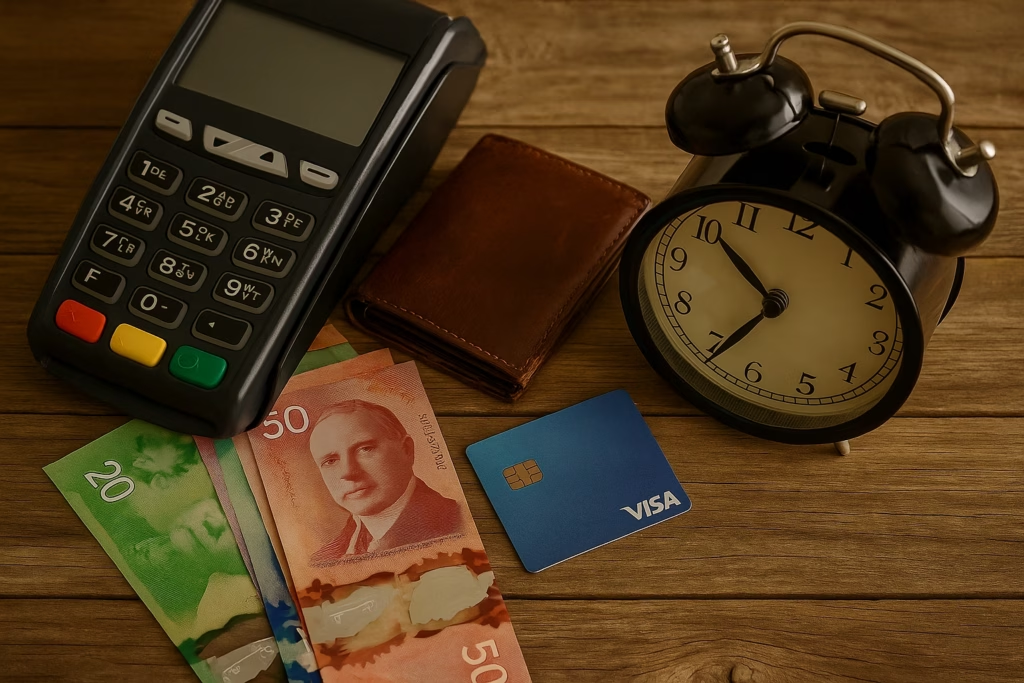
For international hikers, understanding how credit cards and business hours work for hiking in Canada can make your trip smoother and prevent unnecessary stress. While most urban centers are well-connected with modern payment systems, rural and backcountry regions often operate differently. Planning ahead ensures you won’t get caught without a way to pay for food, fuel, or trail essentials.
➡ Back to: Hiking Canada → Practical Travel Logistics → Credit Cards & Business Hours
Credit Card Use in Canada for Hikers
Credit and debit cards are widely accepted across Canada, particularly in urban centers. Visa and Mastercard are the most reliable, while American Express and Discover are accepted in fewer places.
Transaction Security: Chip-and-PIN and contactless (tap) are standard methods of payment.
Foreign Transaction Fees: Many banks add a 2–3% fee to international purchases. Using a travel card without fees can save money.
Rural Acceptance: In small towns, remote gas stations, or campgrounds, cards may not be accepted, or machines may be offline. Carrying cash is still essential in these areas.
👉 Tip: Always have a backup payment method, such as a prepaid card or Canadian cash, in case your primary card isn’t accepted.
Understanding Business Hours in Canada
Most Canadian businesses follow typical schedules, but regional differences matter for hikers.
Urban Centers: Shops and supermarkets often stay open until 9:00 PM, with major chains offering weekend hours.
Rural & Remote Areas: Stores in small communities may close by 4:00 or 5:00 PM, and some gas stations shut down overnight.
Holiday Hours: National and provincial holidays can mean full closures or reduced hours. Hikers traveling on long weekends should plan supplies in advance.
Trail Preparation: Payment & Store Planning
Hikers heading into backcountry regions should plan for limited services:
Purchase supplies before leaving towns or cities.
Refuel early — rural gas stations may close without notice.
Carry small bills in case rural businesses can’t break large notes.
For general regulations and consumer info, see Government of Canada – Business and Consumer Info. For related advice, explore Practical Travel Logistics for Hiking in Canada.
Conclusion
Managing credit cards & business hours for hiking in Canada is easy in cities but requires preparation in rural and backcountry areas. Combining modern payment options with a little old-fashioned planning ensures you won’t be stranded without fuel, food, or lodging.