
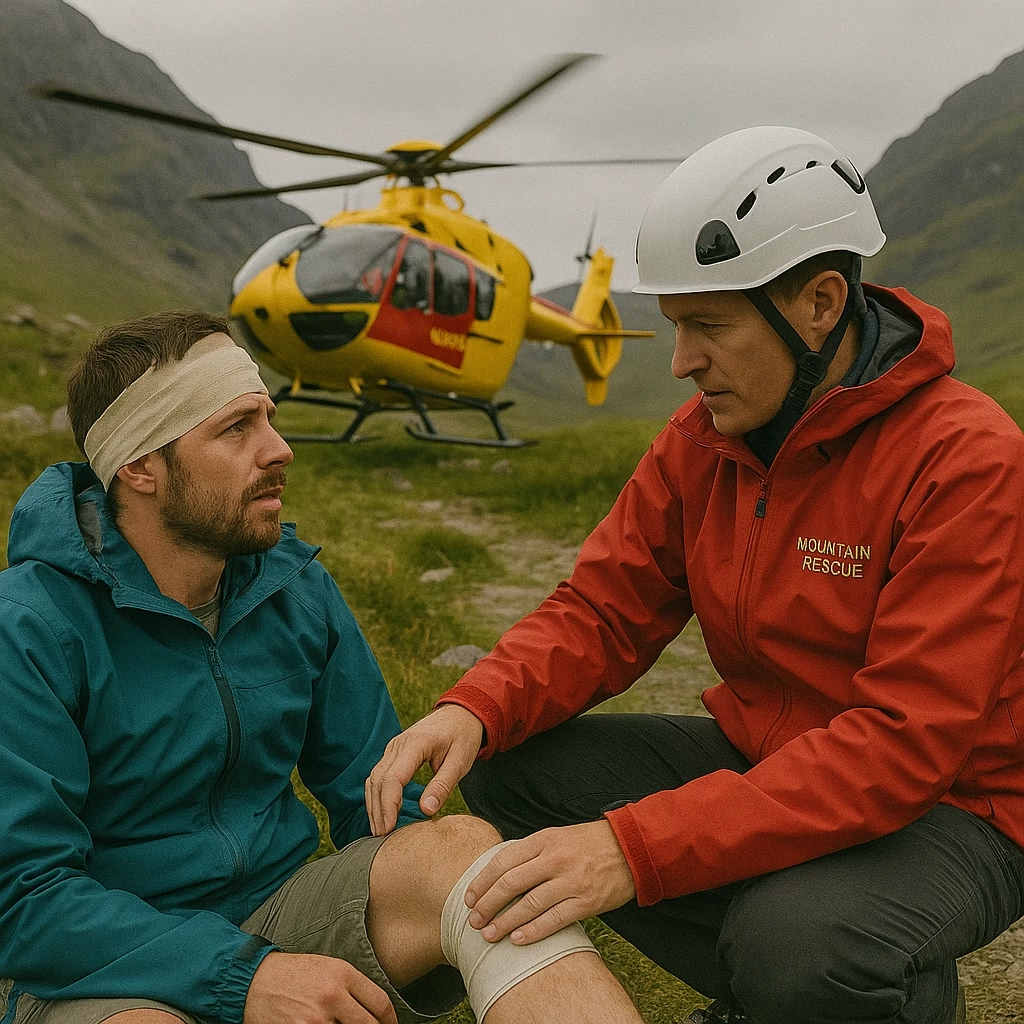
Emergencies & health access tips planning when you’re hiking abroad means preparation doesn’t stop with gear and maps. Knowing how to handle emergencies and access healthcare can be lifesaving. From finding a pharmacy in a small Scottish village to contacting an ambulance in Spain or navigating Canada’s healthcare system, international hikers need to plan ahead.
This guide covers essential emergency contacts, health services, and safety practices so you can stay calm and prepared if the unexpected happens on the trail.
➡ Back to: Hiking Scotland → Practical Travel Logistics → Emergencies & Health Access
Why Emergencies & Health Access Matter for International Hikers
- Remote Trails – Medical help can be hours away in rural areas.
- Different Systems – Emergency numbers, pharmacy services, and insurance rules vary worldwide.
- Peace of Mind – Knowing what to do reduces stress and builds confidence.
Emergencies & Health Numbers by Region
- Europe (Scotland, Ireland, Spain) – Dial 112 for all emergencies (works EU-wide).
- UK-Specific – 999 also works in Scotland and Great Britain.
- Canada – Dial 911 for emergencies.
👉 Store these numbers in your phone and write them on a card in your pack.
Pharmacies & Drugstores Abroad
👉 Pharmacies are an important part of emergencies & health access for international hikers, especially when trail injuries or illnesses occur far from hospitals.
- Scotland & UK – Pharmacies are common in towns; hours may be limited in rural areas. Look for the green cross symbol.
- Spain – “Farmacia” signs are marked with a green cross; many towns have at least one.
- Canada – Pharmacies are inside major grocery stores or standalone drugstores. Remote areas may have limited access.
👉 Carry a basic first aid kit so you’re not reliant on finding a pharmacy mid-trail.
Hospitals & Medical Care
- Access – Larger cities and towns have hospitals, but expect longer distances from trailheads.
- Travel Insurance – Always carry proof of insurance covering hiking-related accidents, not just general travel.
- Emergency Evacuation – Some regions (like the Highlands) may require air rescue; insurance is critical to cover costs.
Health & Safety Best Practices for Emergencies & Helath Access
- Travel Insurance – Confirm your policy covers adventure activities, including hiking and trekking.
- Medications – Carry enough for your entire trip. Some prescriptions may not be available abroad.
- Allergies – Learn how to explain food or medicine allergies in the local language.
- Emergency Contacts – Register with your embassy or consulate if traveling to remote regions.
Real-World Example: Hiking in Scotland
On the Cape Wrath Trail, hikers are often far from medical facilities. If an accident occurs, contacting 999 can trigger both ambulance and mountain rescue services. Carrying a Garmin inReach or similar satellite communicator ensures you can request help even in areas without phone signal. Pharmacies are accessible in towns like Fort William, but planning ahead with personal medications is vital.
Conclusion
Emergencies are never part of the plan, but they can happen anywhere. By preparing with the right contacts, travel insurance, and a basic knowledge of local health systems, international hikers can handle unexpected situations confidently.
So, before you set foot on the trail in Scotland, Spain, or Canada, make sure you’ve packed not only your boots and tent — but also a plan for your emergencies & health access abroad.