
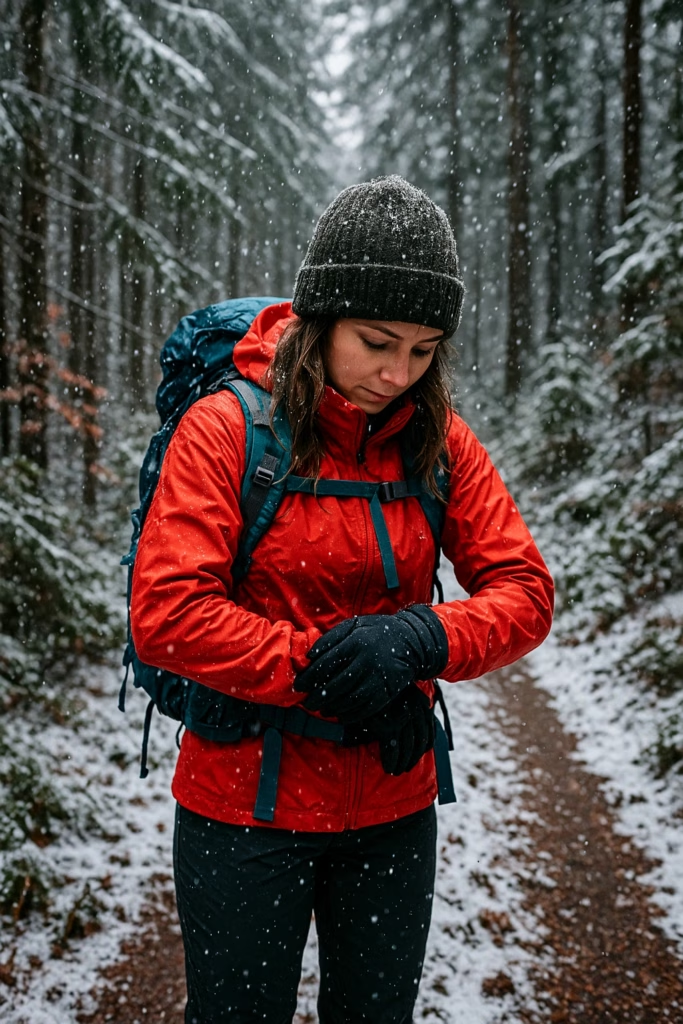
How to dress for changing trail conditions or not, can turn on you fast — one moment bright and warm, the next, windy, wet, or cold. That’s why your best piece of gear isn’t always what’s in your pack — it’s what you wear. At Hiking Equipped, we believe a smart layering system is the foundation of comfort, safety, and confidence in any season. As winter approaches, this is the perfect time to update your trail wardrobe or gift someone you love gear that keeps them warm, dry, and adventure-ready.
The Smart Layering System: Your Shield Against the Elements
Every hiker’s clothing strategy revolves around three layers that work together:
Base Layer: Pulls sweat away from your skin to keep you dry.
Insulating Layer: Traps body heat to keep you warm.
Outer Layer (Shell): Blocks wind, rain, and snow to keep you protected.
Each layer plays a role in regulating temperature, managing moisture, and shielding you from the elements. Add or remove pieces as needed — that flexibility is what keeps your body balanced and your morale high, mile after mile.
Base Layers: The Foundation of Comfort
Your base layer is the first defense against sweat and chill. Skip cotton — it traps moisture and cools you fast. Instead, look for moisture-wicking synthetics or merino wool.
Merino wool, like the Icebreaker 200 Oasis Crew, is soft, naturally odor-resistant, and ideal for multi-day trips.
Synthetic options, such as the Under Armour Tech Base Top, dry quickly and are great for high-output climbs.
Blends offer the best of both — durable, breathable, and comfortable across variable forecasts.
Choose a close fit for efficient wicking and freedom of movement. Flat seams, thumbholes, and ¼-zips add comfort and ventilation.
Mid-Layers: Insulation That Breathes
The insulating layer sits between base and shell — balancing warmth and breathability. This is the piece you’ll wear most often in shoulder and winter seasons.
Lightweight fleece (like the Spyder Quarter Zip Pullover) is ideal for active hikes in cool weather.
Synthetic puffies (such as the Arc’teryx Atom LT Hoody) retain heat even when damp, making them excellent for wet or unpredictable climates.
Down jackets, like the Mountain Hardwear Ghost Whisperer 2, offer maximum warmth with minimal weight — perfect for cold, dry trips.
Look for full zips, hooded options, and cuffs that seal out drafts. Always size it to layer cleanly under your shell without bunching.
Outer Layers: Your Weatherproof Armor
Your shell is what keeps your system alive in rough weather. It’s designed to block wind, rain, and snow while letting excess heat escape.
Rain Shells: Waterproof-breathable options like the Outdoor Research Helium Rain Jacket keep you dry in sustained downpours.
Hardshells: Heavier, durable layers like the Arc’teryx Beta AR are made for alpine abuse, freezing wind, and blizzard-level protection.
Softshells & Wind Shirts: Flexible, breathable layers for high-energy hikes in cool, dry, or breezy weather.
Maintain your shell’s DWR (durable water repellent) by washing occasionally and re-proofing when water stops beading up.
Dressing for Cold, Wet, or Snowy Trails
Winter demands careful attention to moisture and heat balance. Start with a mid-weight merino or synthetic base layer, then add grid fleece or active synthetic insulation for motion. Reserve high-loft down or synthetic puffies for breaks and camp.
When storms threaten, choose a 3-layer waterproof hardshell — it will block snow, sleet, and biting wind without trapping sweat.
Don’t forget extremities:
Hands: Liner gloves + insulated shell mitts.
Head: Balaclava or beanie under your hood.
Feet: Merino socks with gaiters to block snow and slush.
Vent early on climbs, and never let sweat build up — moisture management is key to warmth.
Warm-Weather and Transitional Conditions
When temperatures rise, layering is still your ally — just lighter and airier.
Base: Ultralight synthetic or 150-gsm merino.
Mid: Optional breathable fleece or wind shirt for gusty ridges.
Outer: Packable rain shell for surprise storms.
Add UPF-rated sun protection, a brimmed hat, and a light buff. In summer, airflow and coverage beat heavy fabrics every time.
Packable Layers: Be Ready for Anything
Every hiker should carry one “modular kit” that fits easily into a daypack:
Ultralight wind shirt (2–3 oz)
Compact rain shell (6–10 oz)
Lightweight fleece or active synthetic jacket (8–12 oz)
Lofted down or synthetic puffy for rest stops
Look for jackets with full zips, hoods, and high warmth-to-weight ratios. The REI Co-op 650 Down Jacket or Outdoor Vitals Ventus Hoodie are great examples that pack small and perform big.
Trail-Smart Gift Ideas for the Season
Winter hikes are all about warmth and resilience — and that makes this the perfect time to gift outdoor comfort. Consider a cozy merino base layer, ultralight down jacket, or versatile rain shell for the hiker in your life. Even small pieces like wool socks, gaiters, or touchscreen gloves can make a huge difference on cold trails.
Final Takeaway
Mastering how to dress for changing trail conditions comes down to this:
Dressing for unpredictable trail conditions starts with choosing the right layers. In this clear and practical video, Homemade Wanderlust, narrated by Dixie, breaks down exactly what to wear for three-season backpacking—starting from underwear and base layers all the way to mid-layers and rain gear. Watch to learn how fabric choices, smart layering, and simple adjustments can keep you comfortable and protected as the weather shifts on the trail.