
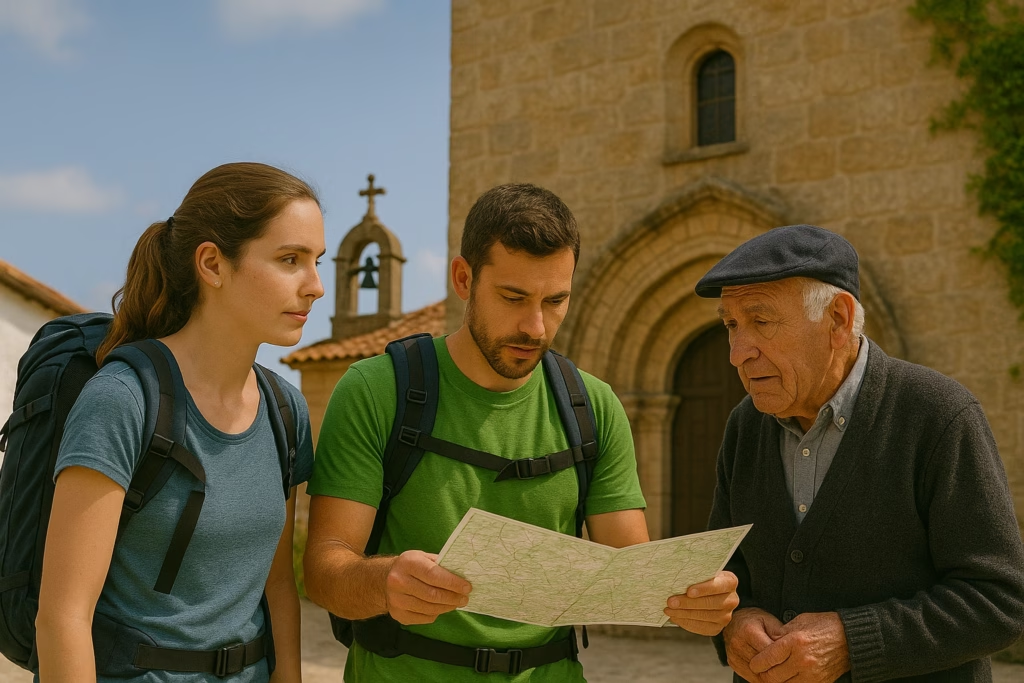
Understanding local laws & customs in Spain can make cultural expectations on your hiking trip through Spain smoother, safer, and far more enjoyable. Whether you’re traveling through mountain hamlets, coastal villages, or historic Camino towns, respecting local norms helps you blend in and avoid unintentional missteps.
Spain is welcoming and hiker-friendly, but customs vary from region to region — and what’s normal in Madrid or Barcelona may feel different in small villages along the trail. This guide covers the essentials so you can hike respectfully and confidently.
➡ Back to: Hiking Spain → Practical Travel Logistics → Local Laws & Customs
Quiet Hours & Respectful Behavior
Spain’s small towns value peace and community harmony. As a hiker, being mindful of noise — especially early in the morning or late at night — goes a long way.
Quiet Hours to Know:
Midday Rest: 2:00 PM – 5:00 PM (siesta)
Evening Quiet Hours: typically after 10:00 PM in rural areas
Albergues & hostels: often enforce lights-out rules around 10:00–11:00 PM
If you’re on the Camino, step out quietly at dawn — many hikers value a peaceful start to the day.
Alcohol Laws & Purchases
Spain has clear, simple alcohol regulations that hikers should know:
Legal purchase age: 18+
Supermarkets and small shops generally sell wine and beer
Liquor may be restricted to larger stores
Drinking in public varies by region — coastal areas and big cities often regulate it more strictly
In small villages, bar culture is relaxed and social. Ordering a beer or wine with a meal is common — just be respectful and avoid excessive consumption, especially before hiking.
Trail Etiquette & Outdoor Culture
Spain places strong cultural value on nature, shared spaces, and courtesy. Hikers are expected to:
Greet others on the trail with hola or buen camino
Respect private land, especially in the Basque Country, Galicia, and rural Catalonia
Stay on marked paths (GR, PR, and local routes)
Yield to livestock and follow posted farm/ grazing signs
On the Camino, it is customary to wish others well, even with a simple nod or smile.
Photography & Privacy
Always ask permission before photographing local people, children, or inside private businesses.
Some churches, monasteries, and historic sites restrict photography.
Drones are regulated — many natural parks require permits.
Religious & Cultural Sensitivities
Spain’s historic churches and pilgrimage sites are deeply meaningful to locals and travelers. When visiting these spaces:
Dress modestly
Remove hats
Keep voices low
Avoid eating inside or near sacred areas
Pilgrims on the Camino also observe certain customs: showing respect at shrines, not blocking path markers, and keeping a considerate pace through villages.
Legal Considerations for Hikers
ID & Documentation
Carry at least a copy of your passport; police may request identification.
Wild Camping
Wild camping is heavily restricted across much of Spain. Hikers should use designated campgrounds, albergues, mountain huts, or permitted bivouac zones.
Fire Safety
Open fires are often prohibited in mountain and forested regions, especially in summer.
Smoking
Laws are strict around public buildings and transportation hubs. Smoking on trails and in nature areas is discouraged due to wildfire risk.
Real-World Example: Hiking Camino Villages
Along the Camino Francés, many villages maintain early quiet hours, modest dress around churches, and simple, respectful social norms. Greeting locals with “buen camino”, observing siesta closures, and avoiding loud conversations in the early morning helps you fit in and keeps the trail experience positive for everyone
Local Laws & Customs – Conclusion
Spain welcomes hikers with open arms, but understanding its cultural rhythms and local expectations helps you travel with confidence. By respecting quiet hours, following local laws, and embracing the country’s warm traditions, you’ll deepen your connection to the landscapes and communities you pass through.
As you move from village to village, let courtesy, awareness, and appreciation guide your steps — and Spain will reward you with hospitality and unforgettable trail moments.